Israel says Iran moved thousands of centrifuges to Pickaxe Mountain - Report
Source Entity
TOI WORLD DESK
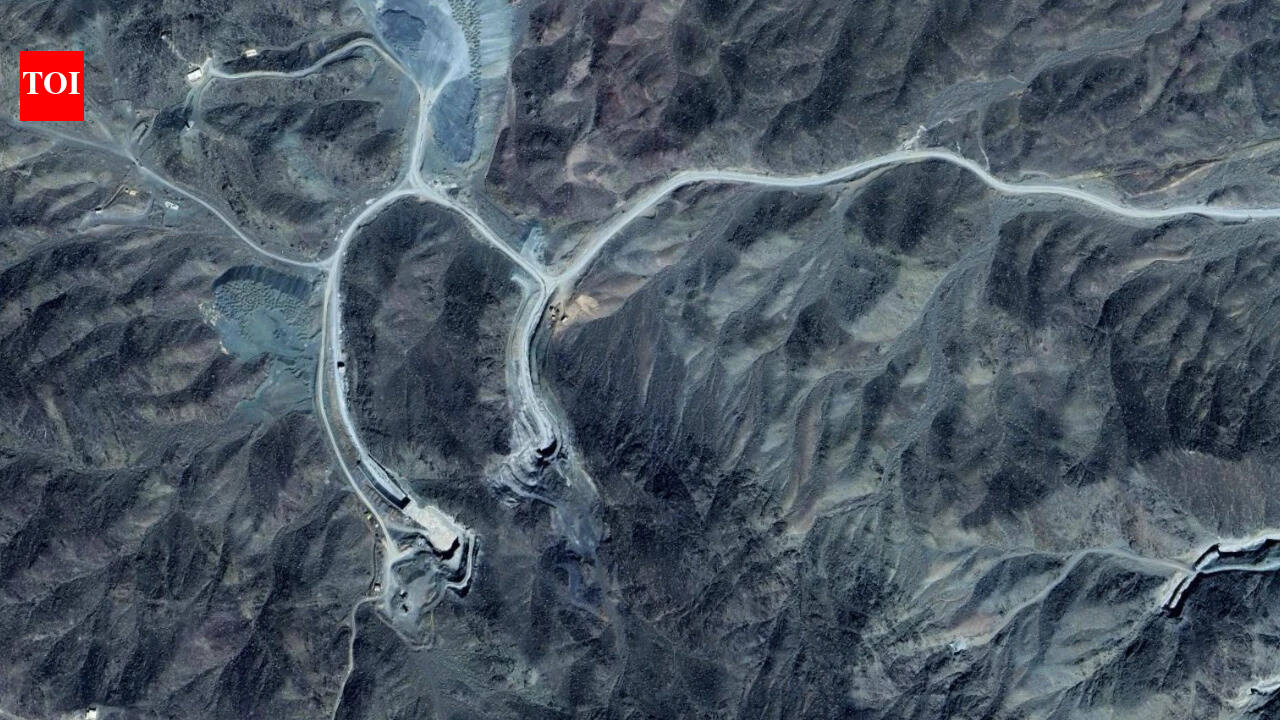
Israeli intelligence reports that Iran has relocated thousands of nuclear centrifuges to a deeply buried site known as Pickaxe Mountain. This move, following the June 2025 conflict, has prompted US warnings and heightened regional security concerns.
The Strategic Relocation to Pickaxe Mountain
Recent intelligence assessments from Israeli officials, corroborated by reports from the Wall Street Journal, suggest a significant shift in Iran's nuclear infrastructure. Thousands of uranium-enrichment centrifuges have reportedly been relocated to a highly fortified underground facility in the Natanz region known as 'Pickaxe Mountain.' This development marks a critical escalation in the ongoing shadow conflict regarding Iran’s nuclear ambitions, as the facility is buried more than 300 feet beneath solid granite, making it exceptionally resilient to conventional aerial munitions.
Context of the 2025 Conflict
The timing of this relocation is deeply tied to the regional instability observed in 2025. Following a 12-day conflict in June 2025, during which joint US and Israeli operations targeted Iranian nuclear sites, it appears Tehran moved to mitigate further damage to its enrichment capabilities. While the Pickaxe site remained untouched during those initial strikes, the recent intelligence suggests that Iran utilized the subsequent period to harden its assets, effectively shielding its centrifuge program from the intensive air campaigns that began on February 28.
The Challenge of Verification and IAEA Access
A major point of contention remains the lack of transparency surrounding the site. The International Atomic Energy Agency (IAEA) has reportedly been denied access to the Pickaxe Mountain facility, preventing independent verification of the equipment's status or the nature of operations occurring within. This lack of oversight has fueled skepticism and heightened the urgency of the intelligence shared by Israeli authorities with their American counterparts.
Geopolitical Implications and US Posture
The revelation of such a deeply buried facility poses a severe tactical challenge to Western forces. The United States has responded with explicit threats to strike, indicating a clear red line regarding Iran's nuclear threshold. The ability of the Pickaxe site to withstand standard airstrikes forces a re-evaluation of military strategies, as traditional 'bunker-buster' munitions may prove insufficient against over 300 feet of granite protection.
Future Trends in Regional Security
Moving forward, the situation at Pickaxe Mountain is likely to dictate the trajectory of Middle Eastern security policy. If the intelligence is confirmed, it suggests an Iranian strategy focused on 'passive defense'—the use of geography and deep-earth engineering to preserve nuclear potential despite external military pressure. This creates a volatile environment where the risk of miscalculation remains high. As the US and Israel continue to monitor the site, the international community faces a renewed debate over whether diplomatic pressure can suffice or if the physical nature of the site necessitates more extreme military measures to prevent nuclear proliferation.
Multiple Citing Sources