'We are in position of power': Iran's Pezeshkian seeks end to US war, claims victory
Source Entity
YASHASVI VASISTHA
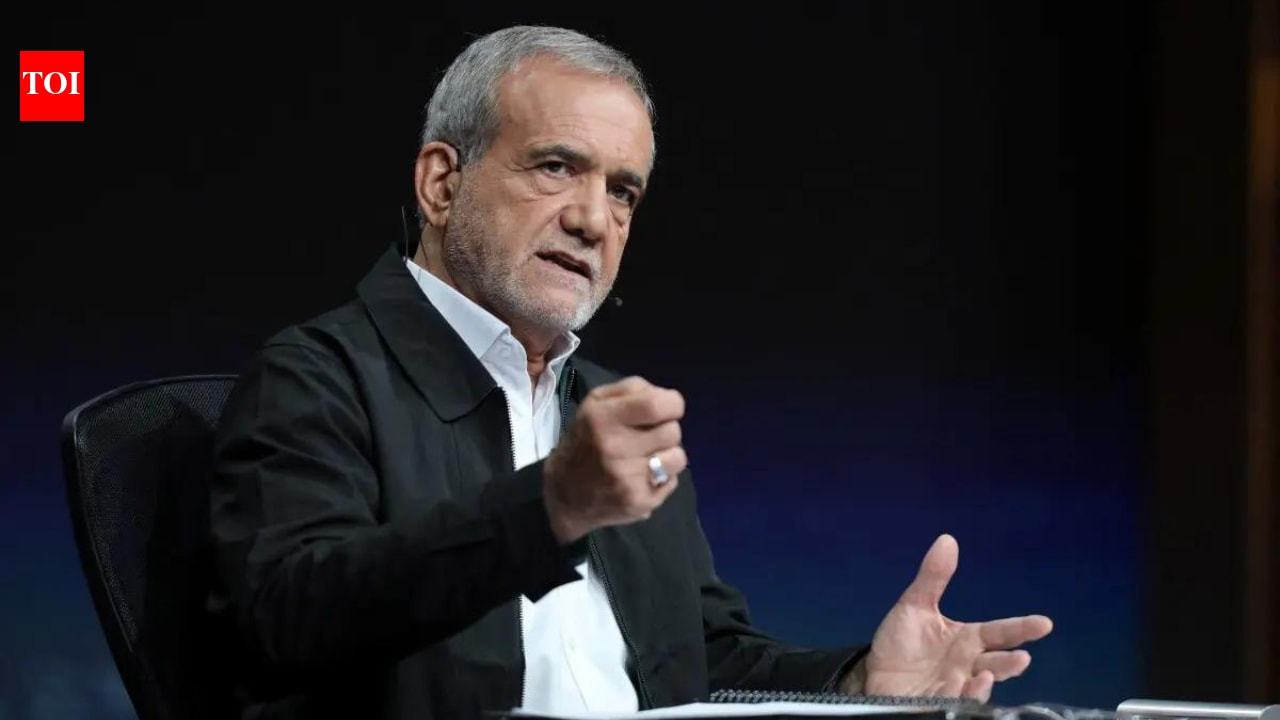
Iranian President Pezeshkian has expressed a desire to end conflicts while asserting national strength, despite ongoing tensions with the U.S. and threats of new sanctions. Diplomatic efforts involving Oman remain active as both Tehran and Washington remain deadlocked over the terms of a suitable agreement.
The Geopolitical Standoff: Iran’s Strategic Posture Under Pezeshkian
Iranian President Masoud Pezeshkian has recently articulated a desire to conclude ongoing conflicts, framing his government’s position as one of strength and national dignity. By asserting that the international community recognizes what he terms a "victory" for Iran, Pezeshkian is attempting to consolidate domestic support while navigating a precarious foreign policy landscape. This rhetoric serves as a dual-purpose strategy: reassuring a domestic base wary of economic instability while signaling to international actors that Iran will not negotiate from a position of perceived weakness.
The Internal and External Balancing Act
President Pezeshkian’s administration faces significant internal pressure, particularly as he defends past agreements against fierce domestic criticism from hardline factions. These critics often advocate for more aggressive postures, a sentiment echoed by Iranian military leaders who have publicly warned of potential retaliation. This internal friction complicates Pezeshkian’s diplomatic outreach, as he must balance the need for international de-escalation with the necessity of maintaining credibility among the country’s powerful military and security apparatus.
The Role of Diplomacy and Regional Flashpoints
Amidst the rhetoric of strength, quiet diplomacy is surfacing, with reports indicating that Iran and Oman have engaged in discussions to resume broader dialogue. The Strait of Hormuz remains the central focus of these concerns; as one of the world's most vital maritime chokepoints for global oil transit, any escalation in this region carries severe implications for the global economy. Oman’s historical role as a neutral intermediary suggests that while official channels with the West remain strained, there is a persistent desire to keep back-channel communication open to prevent a total collapse of regional stability.
Washington’s Stance and the Sanctions Cycle
The prospect of a new agreement remains distant, with U.S. President Donald Trump explicitly stating that Iran is not currently prepared for a "right deal." This assessment aligns with Washington’s continued reliance on economic statecraft, specifically the planning of new sanctions. Both Tehran and Beijing have criticized these measures as ineffective, arguing that such punitive actions fail to change Iranian policy and instead serve to harden the resolve of the leadership in Tehran. This cycle of sanctions and rejection underscores the deep-seated mistrust that continues to define the U.S.-Iran relationship.
Future Trends and Global Implications
Looking ahead, the trajectory of this conflict will likely be defined by the efficacy of economic pressure versus the resilience of the Iranian state. Should the U.S. proceed with aggressive new sanctions, it may further push Iran to strengthen its strategic partnerships with nations like China, potentially creating a more rigid geopolitical bloc. Conversely, if regional mediators like Oman can successfully facilitate a framework for de-escalation, the focus may shift from military posturing to a fragile, yet necessary, containment of the conflict. The situation remains a high-stakes test of diplomatic endurance, where the cost of miscalculation in the Strait of Hormuz could reverberate far beyond the borders of the Middle East.