Iran’s secret mountain of centrifuges: What Israel just discovered underground to shock US forces
Source Entity
Latest News: Today's Latest News Headlines from India & World | Hindustan Times | Hindustan Times
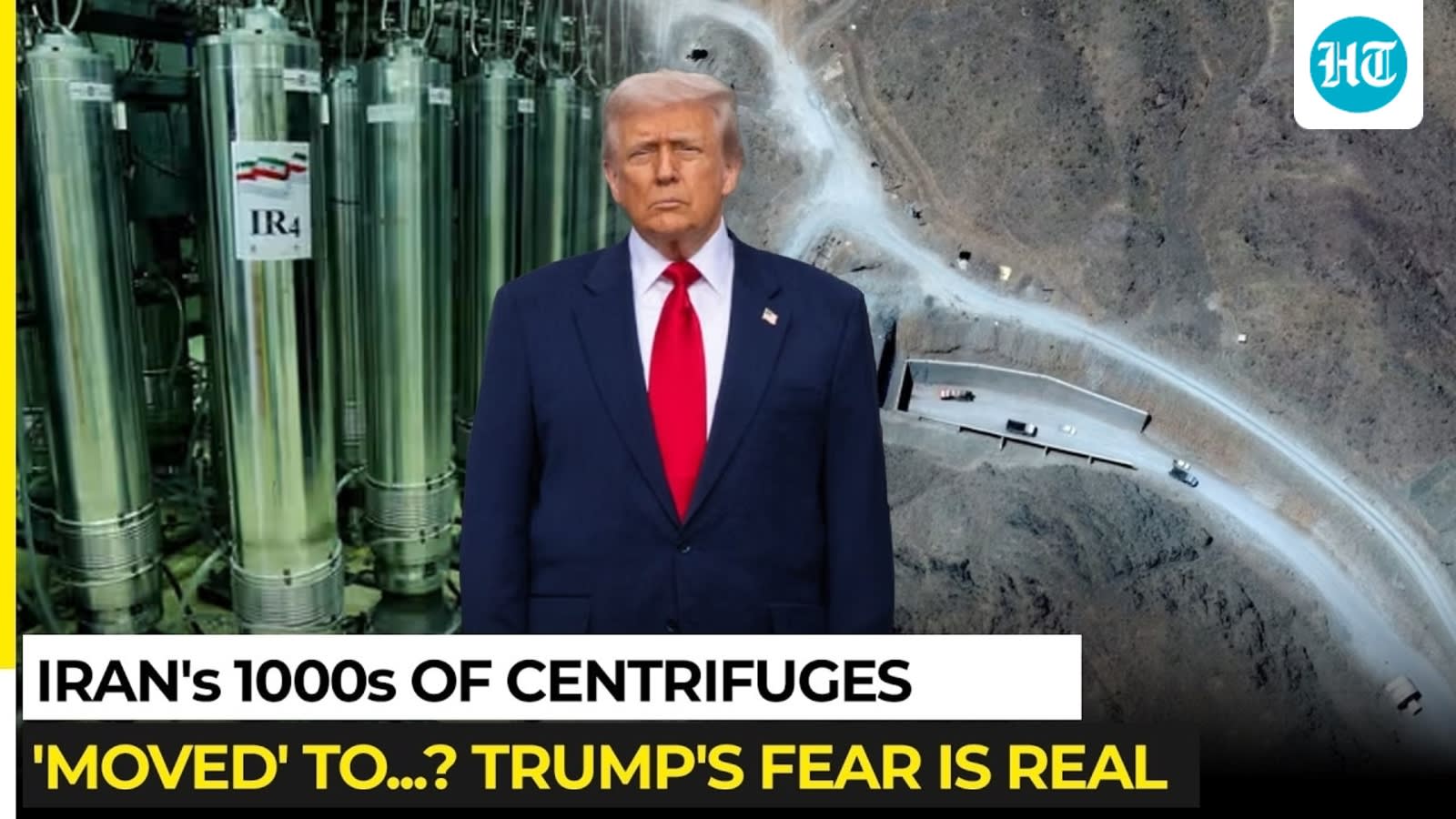
Intelligence reports suggest Iran has relocated thousands of uranium-enrichment centrifuges to the deep-underground Pickaxe Mountain facility. The move, reportedly occurring after the June 2025 conflict, aims to shield nuclear assets from potential airstrikes.
The Strategic Relocation of Iran's Nuclear Infrastructure
Recent intelligence disclosures have brought significant attention to the clandestine facility known as Pickaxe Mountain, located in the Natanz region. According to reports citing U.S. and Israeli officials, Iran has moved thousands of uranium-enrichment centrifuges into this deep underground site. This tactical shift appears to be a direct consequence of the 12-day conflict in June 2025, during which joint U.S. and Israeli operations targeted Iranian nuclear facilities. By relocating sensitive equipment, Tehran is likely attempting to ensure the survivability of its enrichment program against future aerial bombardment.
Hardening Against Aerial Threats
The choice of Pickaxe Mountain as a repository for nuclear infrastructure is highly significant from a military perspective. The facility is reportedly buried over 300 feet beneath solid granite, a depth that poses substantial challenges for conventional bunker-busting munitions. By moving the centrifuges to this hardened environment, Iran is effectively reducing the vulnerability of its nuclear supply chain, creating a scenario where simple airstrikes may no longer be sufficient to neutralize its enrichment capabilities.
Implications for Regional Security
The discovery of these centrifuges at Pickaxe Mountain has intensified the security concerns held by both Israel and the United States. Since the escalation of the air campaign on February 28, the international community has been closely monitoring Iran's nuclear posture. The fact that the Pickaxe site remained untouched during the June 2025 conflict suggests that it was either previously unknown to allied intelligence or deemed too difficult to strike, raising the stakes for regional military planners.
The IAEA and Monitoring Challenges
A critical component of this situation is the lack of transparency regarding the facility. Reports indicate that the International Atomic Energy Agency (IAEA) has been denied access to the site, further complicating international oversight. Without direct verification or monitoring, the exact operational status of these centrifuges remains speculative. This lack of access creates an information vacuum that fuels regional instability and increases the likelihood of preemptive rhetoric from opposing powers.
Future Trends and Geopolitical Outlook
As the situation develops, the focus will likely remain on whether the United States or Israel will attempt to test the limits of the Pickaxe facility's defenses. The threat of a strike remains a central element of the diplomatic discourse, yet the physical reality of the site suggests that any military solution would require unprecedented tactical coordination. Moving forward, the international community will likely watch for any signs of Iranian operational activity at the site, as this will determine the severity of the response from Washington and Jerusalem.
Multiple Citing Sources
Verification Required?