Iran's forces attack Bahrain and Kuwait after US hits Iranian ports and cities
Source Entity
Latest News: Today's Latest News Headlines from India & World | Hindustan Times | Hindustan Times
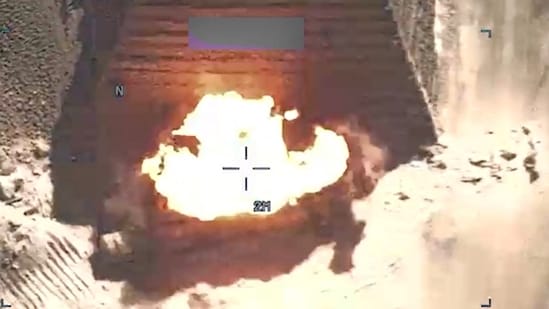
Tensions in the Gulf have escalated as US forces strike Iranian military assets in response to American casualties. Iran has retaliated with attacks on Bahrain, Kuwait, and Jordan, while regional instability is further exacerbated by a Houthi naval blockade.
Escalation in the Persian Gulf: A Geopolitical Crisis
The current military confrontation between the United States and Iran represents a critical escalation in Middle Eastern stability. Following the reported deaths of American soldiers, President Donald Trump has authorized retaliatory strikes against Iranian command centers, maritime capabilities, and air defense systems. This move marks a significant departure from previous containment strategies, signaling a shift toward direct kinetic engagement with Iranian military infrastructure.
The Impact on Regional Infrastructure
Beyond the direct military targets, the conflict has begun to bleed into the critical civilian infrastructure of the region. Recent attacks on desalination facilities have raised alarms regarding severe water shortages in Bahrain and Kuwait. This development highlights the vulnerability of the Gulf Cooperation Council (GCC) states to asymmetric warfare, where the targeting of essential utilities is used as a tool of psychological and logistical pressure against regional US allies.
Maritime Security and Global Trade
The Strait of Hormuz, the world’s most significant oil chokepoint, has once again become a focal point of global anxiety. The reported strike on a tanker within these waters underscores the precarious nature of international shipping in a conflict zone. As shipping companies reassess their routes and safety protocols, the global energy market faces the threat of significant supply chain disruptions, which could have immediate inflationary effects on global energy prices.
The Expansion of the Conflict Front
Adding to the complexity, the Iran-aligned Houthi movement has declared a formal naval blockade on Saudi Arabia. This expansion of the conflict into a multi-front theater threatens to draw in additional regional actors and complicates the defensive posture of US Central Command. By extending the reach of the conflict to the Red Sea and beyond, the Houthis have effectively forced a shift in the strategic calculus for both the US and Saudi Arabia, increasing the risk of a wider regional war.
Diplomatic Uncertainty and Future Trends
While there are reports of a potential 10-day ceasefire being considered, the volatile nature of the current exchange makes the durability of any such agreement uncertain. The interplay between military posturing and diplomatic signaling remains fluid, with President Trump’s rhetoric suggesting a continued readiness for further military action. The trajectory of this conflict will likely depend on the success of back-channel negotiations versus the pressure from domestic political mandates in both Tehran and Washington.
Conclusion
The current situation remains highly unstable, characterized by a rapid degradation of the status quo. The combination of direct military strikes, threats to vital water and energy resources, and the opening of new maritime fronts creates a high-risk environment. International observers are closely monitoring whether this cycle of escalation can be contained or if it will fundamentally alter the security architecture of the Persian Gulf for the foreseeable future.
Verification Required?