'You Will Fail To Escape Depths Of Hell': Iran Warns US Of New Strategy In War
Source Entity
NDTV News Search Records Found 1000
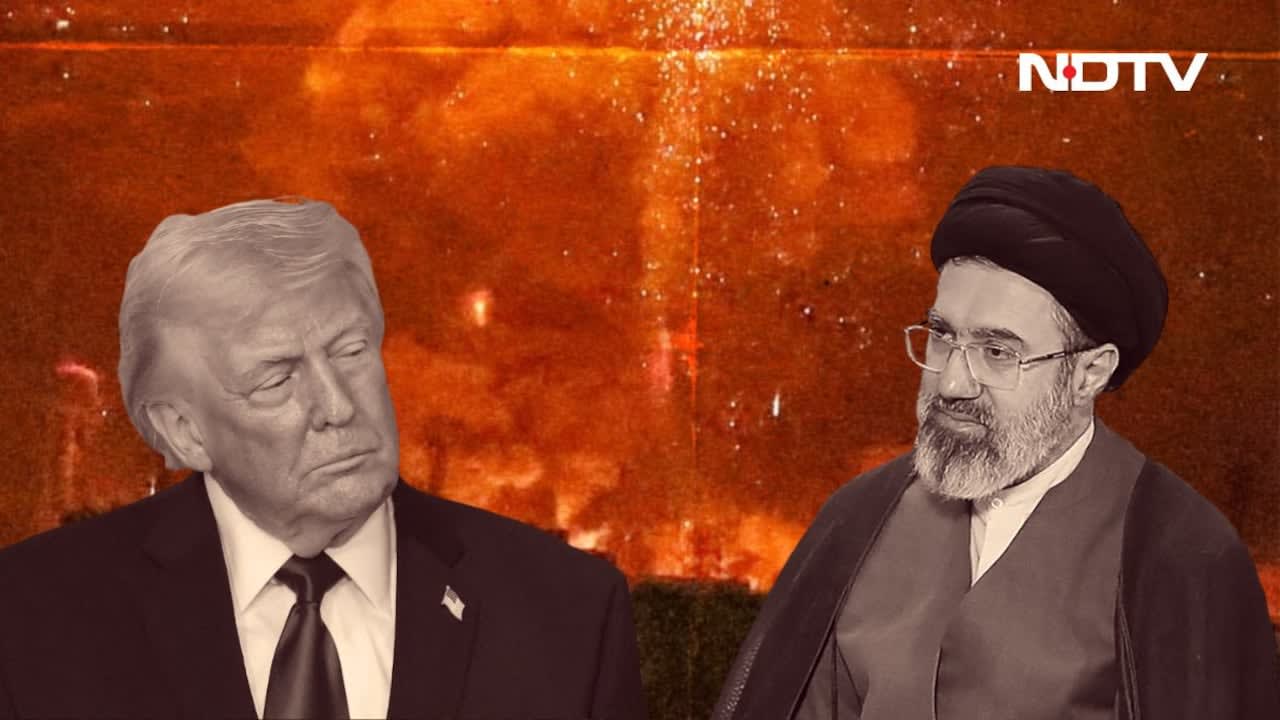
Tensions escalate as the US initiates new, powerful strikes against targets linked to Iran. In response, Iranian officials have issued a stark warning, threatening the US with a new, aggressive strategic shift.
The Escalation of US-Iran Strategic Tensions
The recent geopolitical landscape has been sharply defined by a direct escalation between the United States and Iran, marked by the announcement from the US regarding a fresh wave of "large and powerful" military strikes. This development represents a significant departure from previous tactical engagements, signaling a shift toward more intensive kinetic action. The intensity of these strikes suggests a strategic pivot intended to degrade specific operational capabilities, though the long-term impact on regional stability remains a subject of intense scrutiny.
The Iranian Response: A Rhetorical and Tactical Shift
In direct response to these military actions, Iranian officials have issued a provocative warning, explicitly stating that the US will "fail to escape the depths of hell" should they continue their current trajectory. This rhetoric serves as both a psychological deterrent and a precursor to a potential shift in Iran’s own regional military strategy. By framing the conflict in such dire terms, Tehran is signaling that it intends to move beyond conventional responses, potentially leveraging its network of regional proxies or asymmetric warfare capabilities to counter the US presence.
Analyzing the Strategic Implications
This cycle of strike and counter-threat highlights the fragile nature of the current US-Iran standoff. The US decision to deploy "large and powerful" strikes suggests an effort to re-establish deterrence that may have been eroded by prior regional skirmishes. However, the Iranian vow to implement a "new strategy" indicates that the cost-benefit calculation for the US may become increasingly complex. If Tehran successfully shifts its tactics, the US may find itself embroiled in a conflict that is less about traditional military supremacy and more about managing persistent, low-intensity threats.
Historical Context and Regional Stability
To understand the gravity of these events, one must consider the historical patterns of US-Iran relations, which have long been defined by shadow wars and indirect confrontations. Unlike past incidents that were contained through back-channel diplomacy or limited retaliatory measures, the current language used by both sides suggests a hardening of positions. The historical precedent for such escalations often leads to a period of heightened regional volatility, where local actors and maritime trade routes become the primary collateral damage of these larger power struggles.
Future Trends and Outlook
Looking ahead, the situation appears poised for further volatility. If the US continues its current campaign of large-scale strikes, the likelihood of an Iranian response that targets US interests or regional allies increases significantly. Experts anticipate that the upcoming weeks will involve a high-stakes game of brinkmanship. The international community is now focused on whether these maneuvers will lead to a broader regional conflagration or if both nations will eventually seek a tactical pause to avoid an uncontrollable spiral of violence. The "new strategy" mentioned by Iran remains the key variable that could fundamentally alter the theater of operations.
Verification Required?