Irfan Pathan opens up on how PAK media ran fake Babar Azam story to defame him
Source Entity
The Indian Express
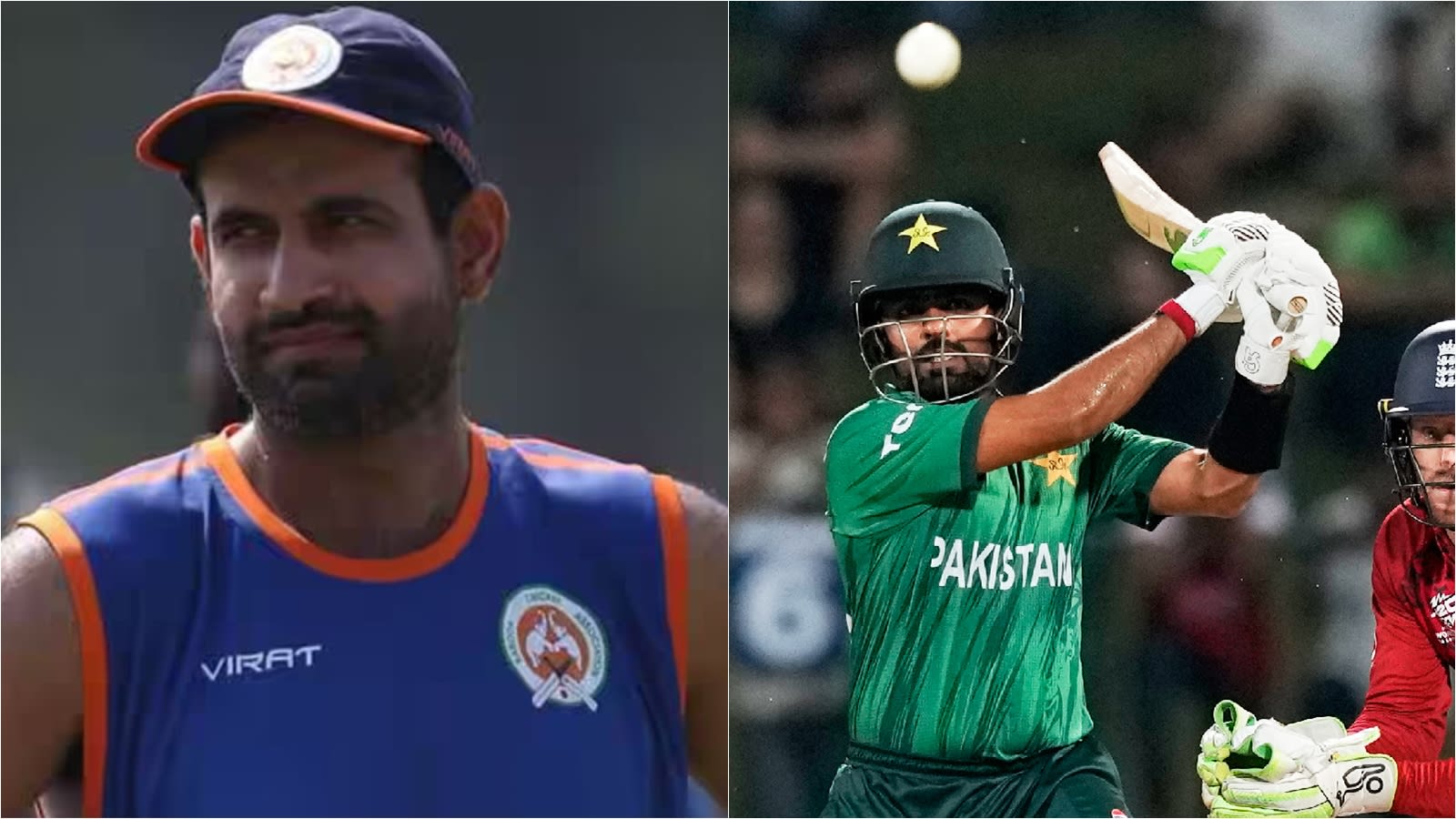
Former Indian cricketer Irfan Pathan has exposed how Pakistani media circulated a fabricated story regarding Babar Azam to defame him. He emphasized his policy of ignoring such misinformation to maintain his personal peace.
The Perils of Digital Misinformation in Cricket Journalism
Former Indian all-rounder Irfan Pathan has recently shed light on the pervasive nature of digital misinformation, specifically highlighting an incident where Pakistani media outlets allegedly manufactured a false narrative involving him and Pakistan’s star batter, Babar Azam. Pathan, appearing on JioHotstar’s Cheeky Singles programme, revealed that his image was manipulated—specifically photoshopped onto another individual’s body—to support a fabricated report claiming that Babar Azam had refused to grant him an interview.
The Anatomy of a Fabricated Narrative
The incident serves as a stark example of how visual manipulation and digital fabrication can be weaponized in the high-stakes world of international cricket reporting. By creating a visual narrative that suggested professional friction between an Indian cricket icon and a Pakistani captain, the perpetrators aimed to stir controversy. Pathan’s disclosure highlights a growing concern in sports media where engagement-driven metrics often supersede factual integrity, leading to the deliberate creation of 'fake news' to incite fan friction between the two nations.
Psychological Impact and Managing Public Perception
Addressing the broader implications of these tactics, Pathan explained his refusal to engage with such reports. He noted that the frequency of 'trolling and fake attribution' is a daily occurrence in the public eye. His decision to remain silent is a strategic response to the toxic nature of online discourse; he argues that responding to every instance of misinformation would prevent an individual from living a normal life. This stoic approach reflects a necessary boundary for public figures who are frequently targeted by coordinated disinformation campaigns.
Historical Context of India-Pakistan Cricket Tensions
Cricket between India and Pakistan has always been a lightning rod for national sentiment, often transcending the sport itself. Historically, the media landscape in both countries has played a significant role in shaping public perception. While constructive journalism has historically bridged gaps, the rise of social media and unregulated digital platforms has allowed for a more aggressive, sensationalist style of reporting. Pathan’s experience illustrates how this environment can be exploited to manufacture conflict where none exists.
Future Trends in Digital Media Accountability
Looking forward, the sports industry faces a critical challenge in verifying the authenticity of digital content. As AI-driven image editing tools become more sophisticated, the prevalence of 'deepfakes' and photoshopped controversies is likely to rise. Experts suggest that platforms and media houses will need to adopt more rigorous fact-checking protocols to protect the reputations of athletes. Without such measures, the integrity of sports journalism risks being further eroded by those who prioritize sensationalism over truth.
Conclusion
Irfan Pathan’s candid admission serves as a reminder to fans and followers of the sport to exercise critical thinking when consuming viral content. In an era where digital deception is increasingly easy to execute, the responsibility falls upon both the consumer and the media to demand higher standards. Pathan’s commitment to ignoring the noise highlights a mature response to a modern problem, underscoring the necessity of prioritizing personal well-being over the chaotic demands of social media cycles.