Is solar's growth finally slowing in the US?
Source Entity
John Timmer
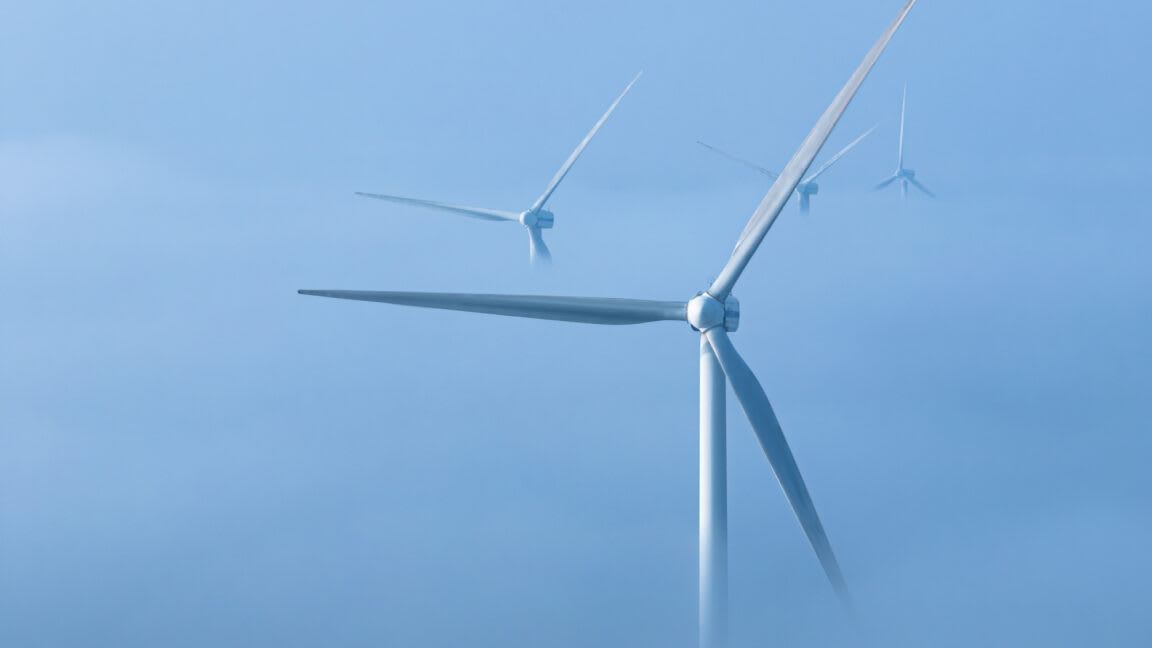
US electricity demand grew by 2% in 2026, driven by data centers and electrification like EVs. Renewables are successfully outpacing this demand growth, suggesting a resilient transition despite slowing growth rates.
The State of the US Grid: A 2026 Update
Recent data covering the first seven months of 2026 provides a critical look at the trajectory of the United States electric grid. While public discourse is often dominated by alarmist headlines regarding the massive energy requirements of artificial intelligence and hyperscale data centers, the actual consumption data presents a more nuanced reality. Electricity demand has increased by 2% compared to the same period in 2025, a figure that, while positive, actually represents a cooling trend from the 3% growth rate observed during the previous year.
Drivers of Demand: Beyond the Data Center
It is essential to contextualize this 2% rise. While data centers are significant contributors to load growth, they are not the sole drivers. The broader electrification of the American economy—specifically the increased adoption of electric vehicles (EVs) and the transition toward heat pump technology for residential and commercial heating—is placing new, sustained demands on the national grid. This electrification shift represents a fundamental structural change in how energy is consumed, moving away from direct fossil fuel combustion at the point of use toward a centralized, grid-dependent model.
The Role of Renewables in Grid Capacity
Perhaps the most significant takeaway from the 2026 data is the role of renewable energy sources in meeting this new demand. The data confirms that renewable energy infrastructure is not only keeping pace with current growth but is doing so easily. By effectively covering the incremental changes in US demand, renewables are proving their reliability as a primary pillar of the nation's energy strategy, rather than merely acting as an auxiliary power source.
Analyzing the Deceleration of Growth
While demand is rising, the deceleration from 3% growth in 2025 to 2% in 2026 is noteworthy. This stabilization suggests that energy efficiency improvements and grid management technologies may be mitigating some of the pressure from new, high-intensity loads. As the grid continues to integrate more intermittent renewable sources, the ability to manage this growth without necessitating a return to heavy fossil fuel reliance will be the ultimate test of the energy transition.
Future Trends and Implications
Looking ahead, the synergy between electrification and renewable capacity will define the next decade of grid operations. If renewable growth continues to outpace demand, the US may see a significant shift in wholesale energy pricing and a reduction in carbon intensity. However, the industry must remain vigilant regarding grid infrastructure upgrades to ensure that this renewable energy can be transmitted efficiently to the areas where demand is rising most rapidly.
Conclusion
The 2026 energy landscape is characterized by steady, manageable growth rather than a runaway demand crisis. By successfully integrating renewables to meet the needs of an electrified economy, the US grid is demonstrating a resilience that contradicts more pessimistic forecasts. Continued monitoring will be vital, but the current data suggests a stable path forward for the energy sector.