Manufacturers are getting frustrated: ‘The economy is annoying’
Source Entity
Greg Robb
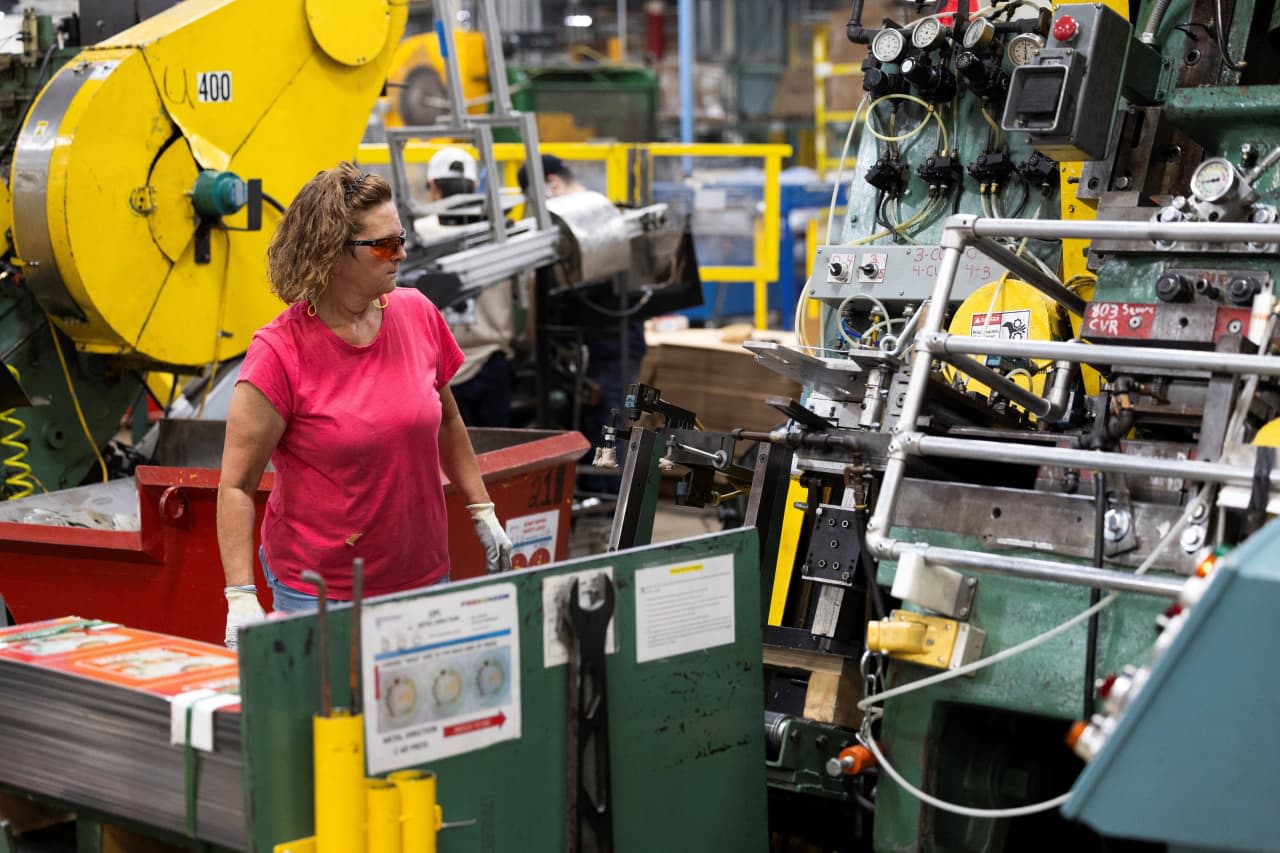
The ISM manufacturing index declined in August as persistent price pressures continue to weigh on the industrial sector. Manufacturers express growing frustration, characterizing the current economic environment as increasingly difficult to navigate.
The Manufacturing Sector's Growing Economic Frustration
Recent data from the Institute for Supply Management (ISM) reveals a cooling manufacturing sector, as the closely watched factory index ticked downward in August. This contraction highlights a broader sense of unease among industrial leaders, who are increasingly describing the current economic climate as "annoying." This sentiment reflects a disconnect between expectations for post-pandemic stability and the reality of a volatile, high-cost operating environment.
The Persistence of Price Pressures
At the heart of this manufacturing malaise is the persistent issue of price pressure. Despite cooling inflation in other sectors, factories continue to grapple with elevated input costs. These costs, which encompass everything from raw materials to logistics, are squeezing profit margins and forcing firms to make difficult decisions regarding product pricing and production scaling. When input costs remain stubbornly high, manufacturers lose the agility required to respond to shifting consumer demand.
Industrial Volatility and Economic Indicators
The decline in the August ISM index serves as a critical bellwether for the wider economy. Historically, manufacturing often acts as a leading indicator of broader economic health because it is highly sensitive to interest rates, capital investment, and global supply chain stability. The current downward trend suggests that the industrial sector is not yet seeing the relief that many market participants had anticipated, pointing toward a prolonged period of adjustment for factory output.
Broader Implications for the Supply Chain
The frustration expressed by manufacturers is not merely a localized grievance; it reflects systemic strain within global supply chains. When factories face unpredictable costs, the ripple effects are felt by wholesalers, retailers, and ultimately, the end consumer. This lack of predictability hampers long-term planning, as firms become more cautious about inventory management and capital expenditure projects, fearing that their margins will be eroded by sudden cost spikes.
Future Trends and Market Outlook
Looking ahead, the manufacturing sector faces a challenging path toward recovery. If price pressures continue to build, we may see a trend of increased automation and localized supply chain restructuring as companies seek to mitigate the "annoying" volatility of the current market. Experts suggest that until there is a sustained easing of these cost burdens, manufacturers will likely maintain a defensive posture, prioritizing cash flow and operational efficiency over aggressive expansion.
Conclusion: Assessing the Industrial Landscape
In summary, the August ISM index data underscores a complex reality for the manufacturing industry. While the economy continues to function, the friction caused by persistent price pressures is creating a significant drag on industrial sentiment. As manufacturers navigate this environment, the focus will remain on how firms can effectively manage these rising costs without stifling the innovation and output necessary for sustained economic growth.
Verification Required?