Israel Pardons Combat Medic Who Shot Dead Wounded Palestinian Attacker
Source Entity
NDTV News Search Records Found 1000
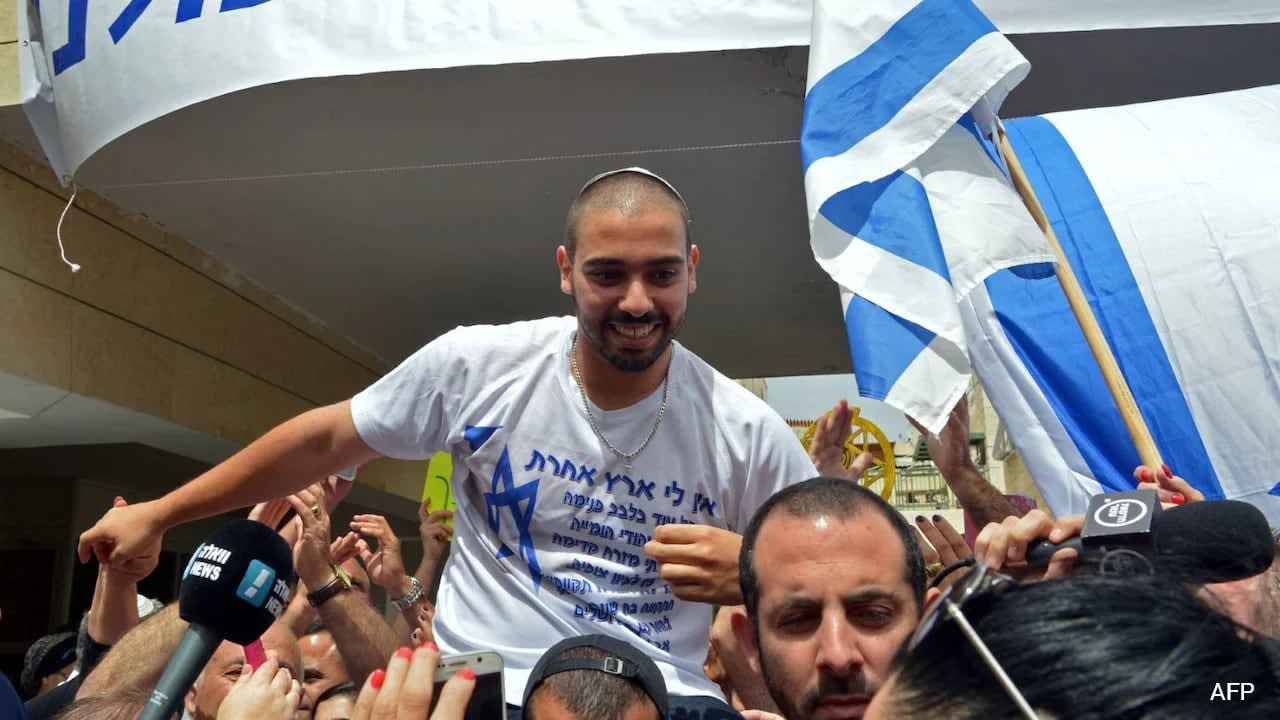
Israeli President Isaac Herzog has granted a pardon to a combat medic who killed a wounded Palestinian attacker. The decision followed a formal recommendation from Defence Minister Israel Katz.
The Presidential Pardon: Legal and Political Context
President Isaac Herzog’s recent decision to pardon a combat medic who fatally shot a wounded Palestinian attacker marks a significant moment in the intersection of Israeli military law and national politics. By acting on the formal recommendation of Defence Minister Israel Katz, the executive branch has utilized its constitutional prerogative to intervene in a case that has long polarized public opinion. This act of clemency highlights the complex tension between the strict rules of engagement governing the Israel Defense Forces (IDF) and the political pressures inherent in a state defined by long-standing security challenges.
The Role of Military Ethics and Discipline
The case of the combat medic serves as a litmus test for Israel's internal debate regarding military conduct. Historically, the IDF has prided itself on the 'purity of arms' doctrine, which emphasizes the use of force only when necessary and proportional. When soldiers act outside these parameters—particularly when dealing with neutralized or incapacitated threats—military courts are tasked with upholding discipline to maintain international legitimacy. The pardon, however, shifts the focus from purely legalistic interpretations of military law to the broader societal and political consensus surrounding combat operations.
Executive Intervention and Ministerial Influence
The involvement of Defence Minister Israel Katz in this process underscores the high level of political oversight regarding military legal outcomes. In the Israeli system, the recommendation of a Defence Minister carries significant weight, acting as a bridge between the operational requirements of the security establishment and the moral authority of the presidency. This move suggests that the current government views the medic’s actions through a lens of national security necessity rather than a breach of military ethics, effectively closing a chapter of judicial scrutiny that has persisted for years.
Broader Implications for Security Policy
This decision carries profound implications for how Israeli soldiers may perceive the limits of their authority in future combat scenarios. Critics often argue that pardons in such high-profile cases could potentially erode the deterrent effect of military justice, leading to more permissive attitudes toward the use of force. Conversely, supporters of the pardon argue that it provides necessary protection for soldiers who make split-second decisions in life-or-death situations, ensuring they are not abandoned by the state they serve during the chaos of an active attack.
Historical Precedents and Future Trends
Looking forward, this pardon may set a precedent for how the state handles controversial incidents involving the use of force against Palestinian attackers. By formalizing this clemency through the highest offices of the land, the Israeli leadership is signaling a shift in how it balances international legal standards against domestic political expectations. As the security environment remains volatile, the interplay between the judiciary, the military, and the executive office will likely continue to be a defining feature of Israel’s internal political landscape.
Verification Required?