UK, France, Germany, Italy and Canada condemn Israel's West Bank settlement project
Source Entity
BBC News
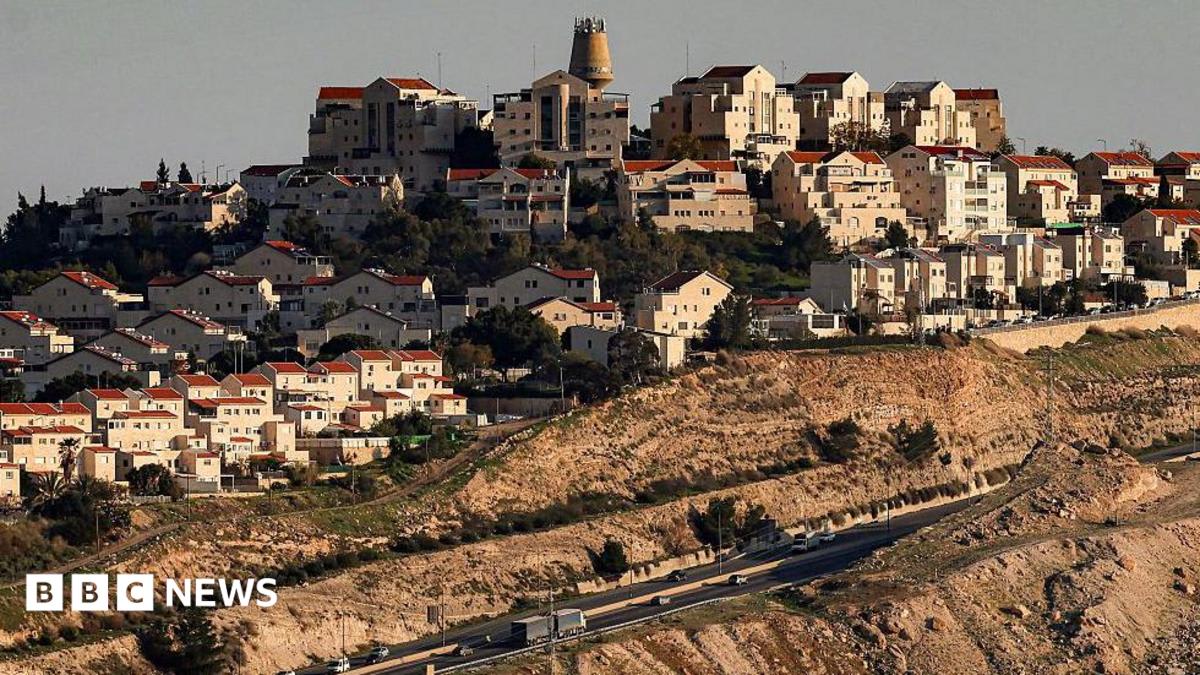
Major Western nations have formally condemned Israel's plan to expand settlements in the West Bank. The move involves issuing tenders for over 1,200 housing units in a strategically sensitive region between East Jerusalem and Maale Adumim.
International Condemnation of West Bank Settlement Expansion
A coalition of Western powers, including the United Kingdom, France, Germany, Italy, and Canada, has issued a formal condemnation of Israel's recent decision to advance settlement construction in the occupied West Bank. This diplomatic rebuke highlights growing international friction regarding the expansion of Jewish settlements, which many global leaders view as a critical obstacle to the realization of a two-state solution between Israelis and Palestinians.
Strategic Implications of the Project
At the center of this controversy is an area spanning approximately 12 square kilometers (4.6 square miles) situated between East Jerusalem and the Maale Adumim settlement. The strategic importance of this land cannot be overstated; its development effectively creates a physical barrier that complicates the geographical continuity of a future Palestinian state. By issuing a tender for 1,234 of the 3,401 previously approved housing units, the Israeli housing ministry is moving forward with a project that has faced significant internal opposition from Bedouin Palestinian residents and various Israeli peace organizations who have challenged the legality of the move in court.
Political Motivations and Domestic Timing
The timing of this move is widely perceived as a calculated political maneuver. With a national election scheduled for October 27, the government has set a bid deadline of October 19. This strategic placement makes it exceptionally difficult for any incoming administration to reverse the tenders once they are issued, effectively locking in the expansion regardless of the election's outcome. Finance Minister Bezalel Smotrich, a prominent ultranationalist figure, has openly championed these projects, stating that the concept of a Palestinian state is effectively being erased by such actions.
Historical Context of the Occupation
To understand the gravity of this development, one must look at the broader historical framework. Since the occupation of the West Bank and East Jerusalem began, Israel has established approximately 160 settlements, now home to roughly 700,000 Jewish residents. This decades-long process of settlement expansion has been a recurring point of contention in international diplomacy, as these communities are considered illegal under international law by most of the global community, although Israel maintains a different legal interpretation.
Future Trends and Diplomatic Strains
As these tenders move toward finalization, the international community faces a complex diplomatic challenge. The explicit condemnation from major G7 allies signals a deepening rift between these nations and the current Israeli administration regarding territorial policy. Future trends suggest that unless there is a significant shift in internal Israeli policy or sustained external pressure, the physical landscape of the West Bank will continue to evolve in a manner that favors permanent settlement, potentially rendering the prospect of a negotiated Palestinian state increasingly elusive in the coming years.