Russia, Ukraine Exchange 103 Captured Soldiers Each
Source Entity
NDTV News Search Records Found 1000
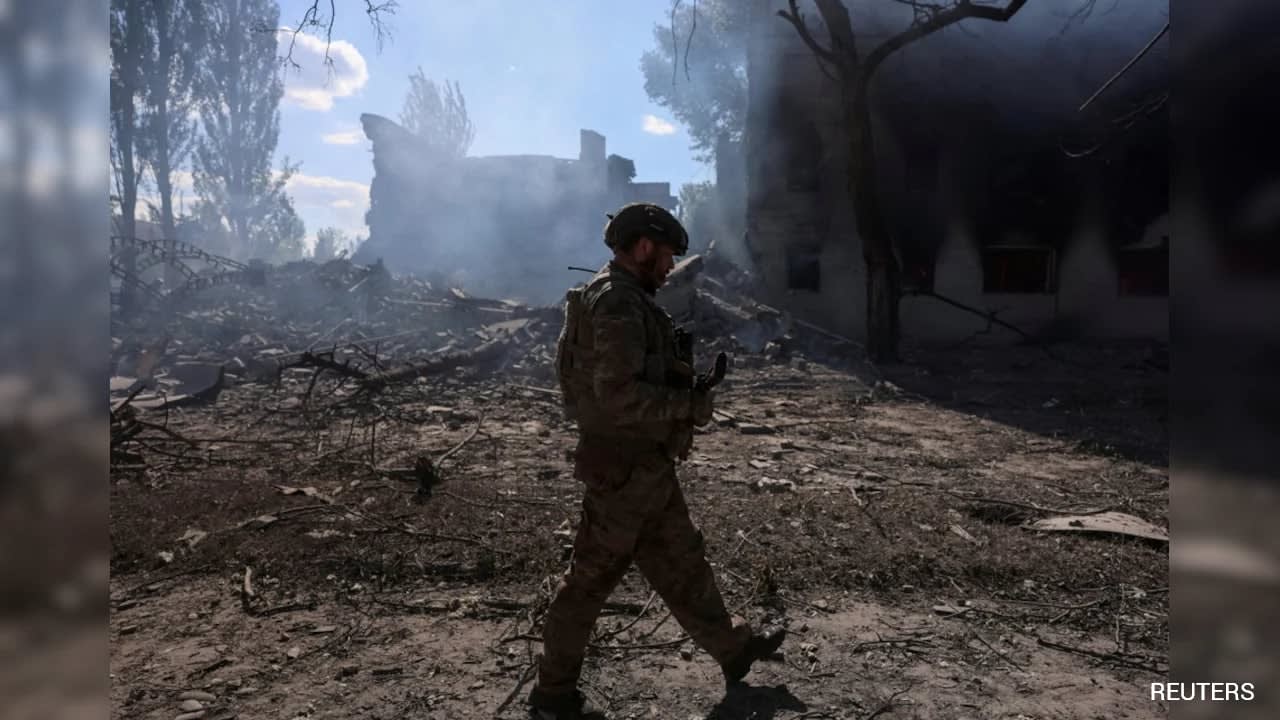
Russia and Ukraine have conducted a prisoner swap, each returning 103 captured soldiers. This exchange represents a rare moment of cooperation between the two nations amidst the ongoing conflict.
Analysis of the Russia-Ukraine Prisoner Exchange
A Rare Diplomatic Intersection
On Wednesday, Russia and Ukraine successfully executed a prisoner-of-war exchange, with each side returning 103 captured soldiers. In the context of a prolonged and intense geopolitical conflict, such exchanges represent rare, pragmatic instances of cooperation. While the broader hostilities remain unabated, these swaps underscore a functional, if limited, channel of communication that persists between the two belligerents, allowing for the humanitarian repatriation of personnel.
The Humanitarian Dimension of Conflict
Prisoner swaps serve as a critical humanitarian component in modern warfare. By returning 103 soldiers to their respective countries, both Moscow and Kyiv address internal pressure from the families of those captured. The process of exchange is often logistically complex, requiring precise coordination and third-party mediation. Despite the scale of the ongoing war, the ability to successfully transfer over 200 individuals in a single day highlights that even in total war, there remains a necessity for structured diplomatic engagement.
Strategic Implications and Signaling
While these exchanges do not signify a de-escalation of the overarching conflict, they serve as significant indicators of the state of diplomatic backchannels. These swaps are often the result of quiet, behind-the-scenes negotiations that operate independently of the battlefield's daily tactical shifts. By engaging in these transfers, both nations signal to the international community that they are willing to observe specific protocols regarding the treatment and return of combatants, maintaining a degree of adherence to international norms despite the gravity of the conflict.
Historical Context of Exchanges
Throughout history, prisoner exchanges have been a staple of long-term conflicts, serving as a mechanism to manage the human cost of war. The Russia-Ukraine conflict has seen several such iterations, each varying in size and complexity. These events are essential for maintaining troop morale and domestic stability. The consistency of these exchanges, even when combat operations reach high levels of intensity, suggests a mutual recognition that the return of personnel is a strategic asset for both governments.
Future Trends in Diplomatic Cooperation
Looking ahead, the frequency and scale of these exchanges will likely remain tied to the intensity of the front-line operations. As long as the current conflict persists, these swaps will likely remain the primary, if not the only, form of direct interaction between the two sides. Analysts will continue to monitor these events as a barometer for potential future negotiations, as the successful execution of humanitarian swaps often builds the minimal level of trust required for more substantive, high-level diplomatic discussions in the long term.
Multiple Citing Sources
Verification Required?