Italian women politicians post miniskirt photos after minister’s motherhood remark
Source Entity
TOI LIFESTYLE DESK
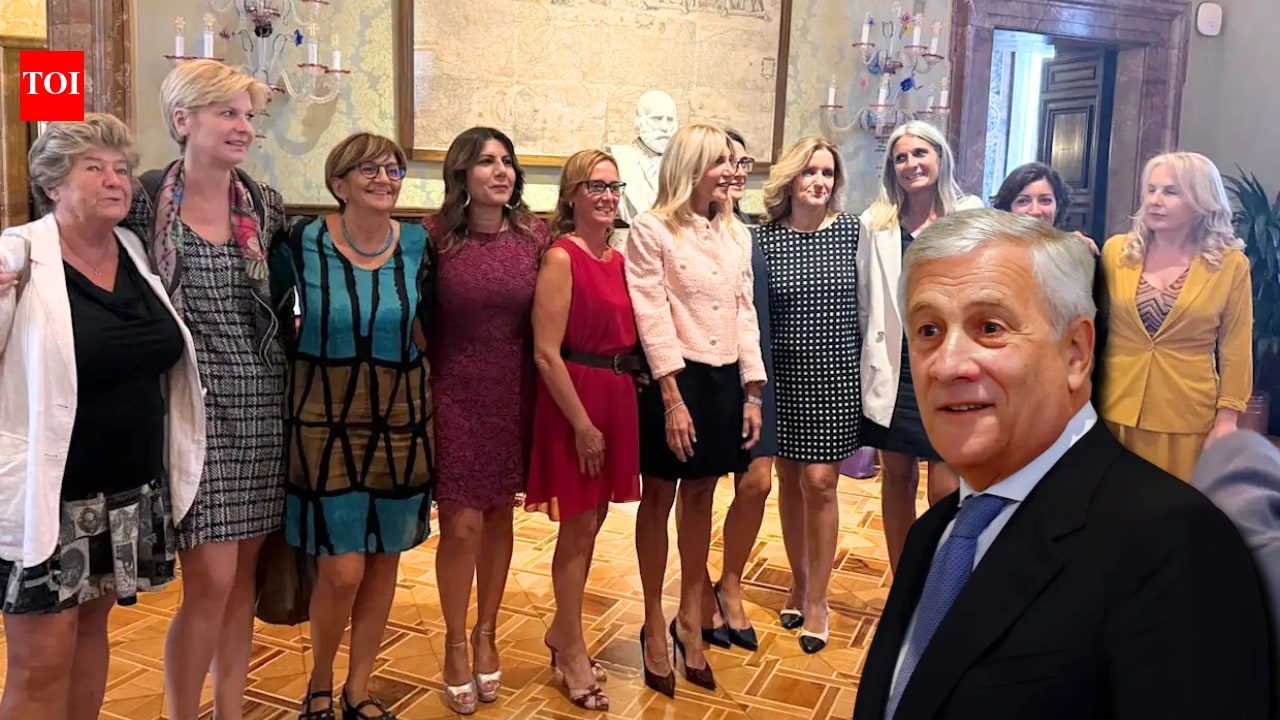
Italian female senators staged a protest by wearing miniskirts after Deputy PM Antonio Tajani linked skirt length to marital reliability and motherhood. The incident sparked a national debate on gender stereotypes, leading to an apology from the minister.
The Miniskirt Protest: Challenging Patriarchal Narratives in Italian Politics
Recent events in the Italian Senate have ignited a significant cultural conversation regarding gender roles and professional decorum. The controversy began when Italy’s Deputy Prime Minister and Foreign Minister, Antonio Tajani, suggested that women who wear longer skirts are more reliable, better suited for marriage, and more likely to be stable mothers. These remarks, which explicitly linked a woman's physical appearance and fashion choices to her moral character and domestic utility, were met with swift and fierce backlash from female politicians across the opposition.
The Act of Defiance
In a powerful display of solidarity, female opposition senators purposefully donned miniskirts to the Senate to challenge Tajani’s regressive logic. By wearing attire that the minister had implicitly coded as 'unreliable' or 'flashy,' these women reclaimed their agency. Prominent figures like Chiara Appendino utilized social media platforms, including Facebook and Instagram, to share photos of themselves in miniskirts, effectively turning a sexist remark into a viral movement of empowerment and defiance against outdated societal expectations.
Historical Context of Gendered Expectations
This incident highlights the persistent struggle against the 'male gaze' in political spheres. Historically, women in power have often been subjected to critiques regarding their appearance rather than their policy contributions. Tajani’s comments reflect a long-standing patriarchal trope that attempts to categorize women into binary archetypes: the 'flashy' woman who invites instability, versus the 'serious' woman who maintains the home. The protest serves as a reminder that such reductionist views remain a hurdle for women entering and advancing within the political arena.
The Fallout and the Apology
Following the widespread public outcry and the organized visual protest, Antonio Tajani issued a formal apology. While the apology signifies a recognition of the offense caused, the incident has already served as a catalyst for a broader, necessary dialogue about women's rights in Italy. The controversy has forced a public reckoning with the language used by high-ranking officials and the underlying assumptions that equate traditional modesty with moral or domestic virtue.
Future Implications for Italian Discourse
The protest by the Italian senators is more than just a fashion statement; it is a assertion of professional equality. By physically manifesting their disagreement, these women have highlighted the disconnect between 21st-century values and the traditionalist rhetoric still prevalent in some political circles. Moving forward, this event is likely to serve as a benchmark for how public figures in Italy are held accountable for gender-based comments, potentially leading to more rigorous standards for political discourse concerning women’s rights and representation.