'Five defining features': Jaishankar decodes the changing world order
Source Entity
ARYAN SINGH
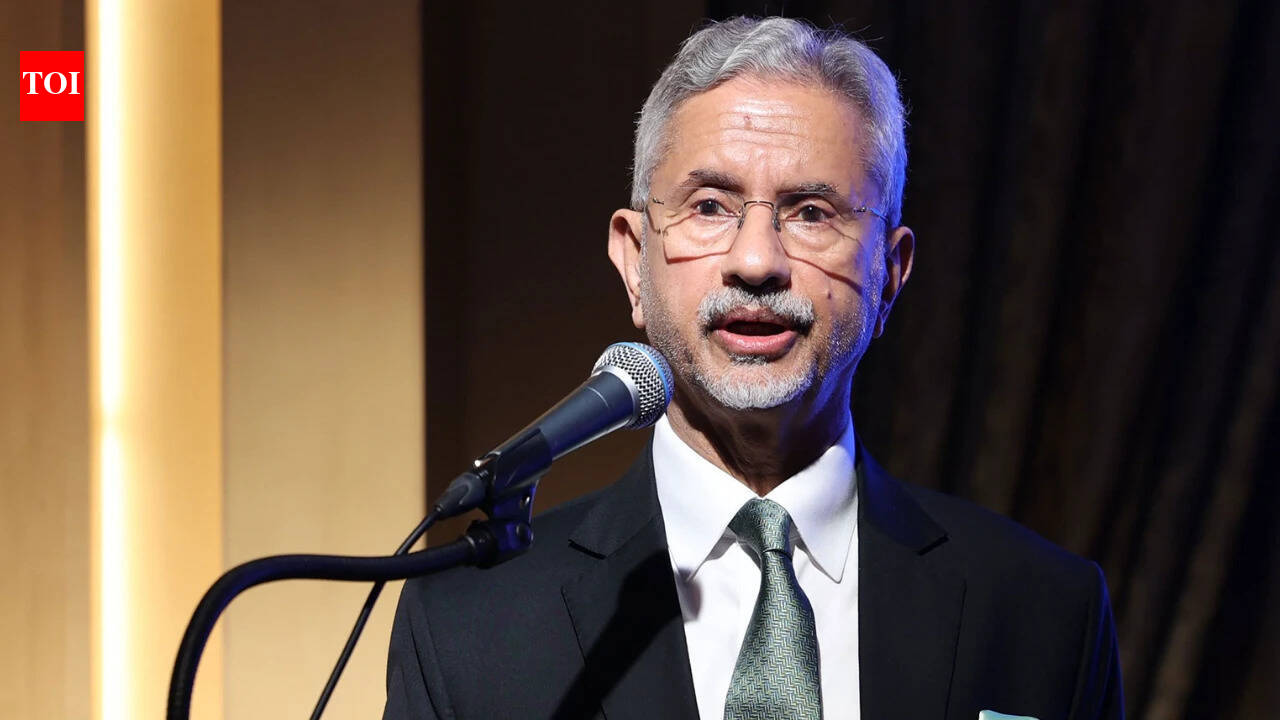
External Affairs Minister S. Jaishankar warned that the global economy is being weaponized through trade and technology. He advocated for India-Japan cooperation to ensure stability and supply chain diversification in the Indo-Pacific.
The New Geopolitical Realities: A Strategic Assessment
External Affairs Minister S. Jaishankar’s recent address at the Raisina Tokyo 2026 conference serves as a critical diagnostic of the contemporary international order. By identifying the 'weaponization' of global economic tools—specifically energy, technology, finance, and trade—Jaishankar highlights a shift away from the post-Cold War era of globalized interdependence. This trend suggests that economic connectivity, once viewed as a pacifying force, is increasingly being leveraged as a mechanism for geopolitical coercion.
The Five Defining Features of Global Instability
At the core of Jaishankar’s warning are five defining features that are currently reshaping international relations. These features include the prevalence of repeated global shocks, intense strategic competition, and pervasive economic uncertainty. These factors have forced nations to move beyond traditional models of efficiency and cost-optimization. Instead, governments are now prioritizing 'trusted partnerships' and the strategic diversification of supply chains to mitigate the risks associated with over-reliance on single-source dependencies.
Strategic Realignment: The India-Japan Partnership
In the context of these systemic shifts, the deepening of the India-Japan relationship emerges as a pillar of regional stability. Jaishankar’s emphasis on multi-sectoral collaboration is not merely bilateral diplomacy; it is a strategic necessity for the Indo-Pacific. By aligning their industrial and technological capabilities, India and Japan aim to create a resilient framework that can withstand resource manipulation and economic pressure, thereby fostering a more predictable environment for regional partners.
The Shift Toward Economic Security
Historically, the global order was built on the assumption that trade would transcend political rivalry. However, the current landscape suggests that economic security has become synonymous with national security. The minister's remarks underscore that the era of 'just-in-time' global supply chains is being replaced by 'just-in-case' strategies. This transition reflects a broader global sentiment where nations are re-evaluating the vulnerabilities inherent in globalized finance and technology transfer.
Future Trends and Global Implications
Looking ahead, the international community will likely witness a sustained push toward regionalization and the creation of 'minilateral' groupings. As countries navigate these uncertainties, the ability to form alliances based on shared values and mutual trust will become the primary metric of diplomatic success. The strategic convergence between India and Japan, as articulated by Jaishankar, signals a proactive approach to preemptively addressing the risks of resource manipulation and technological isolation in the coming decade.
Conclusion: Navigating a Complex Order
In summary, S. Jaishankar’s analysis provides a roadmap for nations grappling with a volatile global environment. By acknowledging the reality of economic weaponization and advocating for intentional, trusted partnerships, India is positioning itself as a stabilizing force. The emphasis on strengthening ties with Japan serves as a tangible example of how middle powers can cooperate to maintain regional equilibrium amidst the broader pressures of strategic competition.