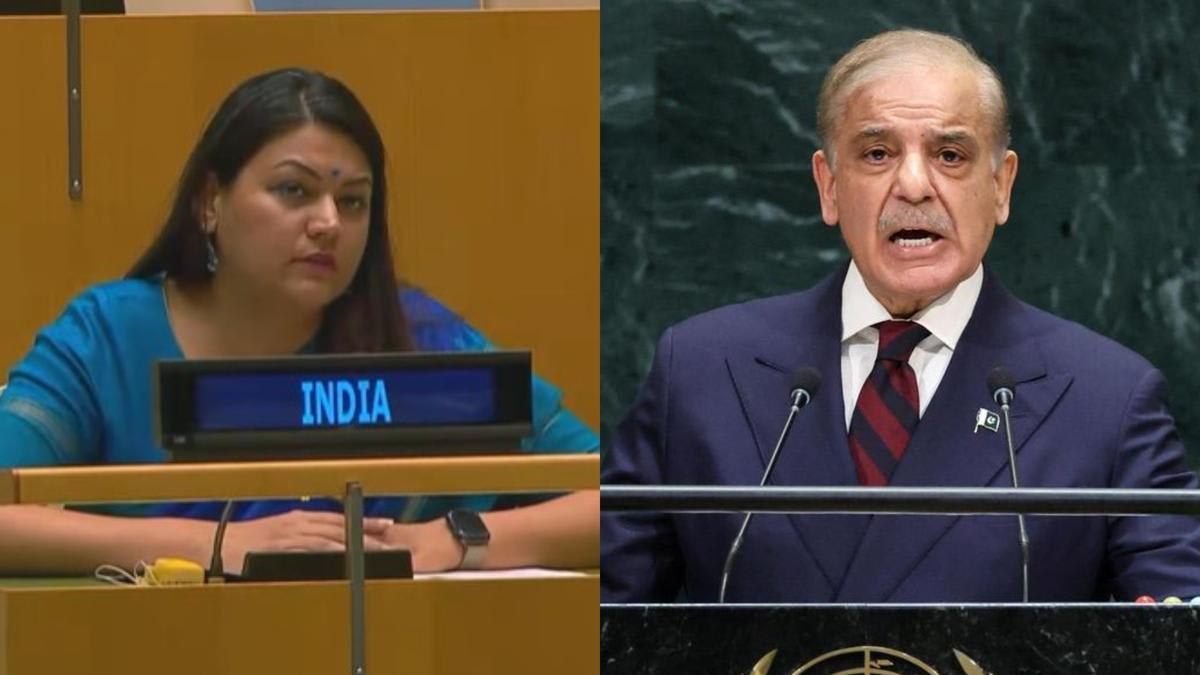
India criticises Pakistan’s ‘falsehoods’ and ‘deceit’ at UN; warns terrorism will have consequences
Source Entity
India Latest News: Top National Headlines Today & Breaking News | The Hindu
External Affairs Minister S. Jaishankar sharply rebuked a Pakistani journalist at the UN, dismissing accusations of Indian-sponsored terrorism. The exchange occurred during a briefing on maritime security, highlighting the ongoing diplomatic tensions between the two nations.
Diplomatic Tensions at the UN: Jaishankar’s Sharp Rebuttal
During a recent press briefing at the United Nations headquarters in New York, Indian External Affairs Minister S. Jaishankar delivered a pointed and widely discussed response to a Pakistani journalist. The interaction occurred immediately following a joint address by Jaishankar and Liberian Foreign Minister Sara Beysolow Nyanti, where the two leaders had gathered to launch a new 'Group of Friends' initiative aimed at enhancing the safety and security of global shipping and seafarers.
The Confrontation
The incident was sparked when a Pakistani journalist questioned Minister Jaishankar, asking when the Indian government would stop "sponsoring terrorism in Pakistan." The reporter also included inquiries regarding a Sikh leader in New York. Jaishankar, known for his direct and assertive diplomatic style, immediately shut down the line of questioning with a sharp retort: "A terrorist country is asking me that question. Come on." This dismissal underscored India's long-standing official stance regarding Pakistan's alleged role in regional destabilization.
Contextualizing the Diplomatic Friction
The exchange reflects the deeply entrenched adversarial relationship between India and Pakistan, which frequently manifests on international stages like the UN General Assembly. For India, the narrative of cross-border terrorism remains a primary pillar of its foreign policy discourse. By labeling the journalist's query as coming from a "terrorist country," Jaishankar effectively bypassed the substance of the accusation, reframing the interaction as a credibility issue rather than a policy debate.
Maritime Security and Global Challenges
While the viral moment dominated headlines, the original purpose of the briefing was to address the critical issue of maritime security. Jaishankar and his counterpart highlighted the increasing frequency of attacks on commercial shipping in vital waterways, including the Strait of Hormuz and the Gulf of Oman. The Minister warned that these incidents are no longer isolated, exceptional events, but rather systemic threats that endanger the global supply chain and the lives of seafarers.
Broader Geopolitical Implications
This incident highlights how, even during multilateral discussions focused on global humanitarian or economic issues, bilateral grievances often threaten to overshadow diplomatic progress. The juxtaposition of the serious discussion on maritime safety with the sharp, confrontational exchange highlights the volatility of India-Pakistan relations. As India continues to seek a larger leadership role on the global stage, such moments demonstrate the government's commitment to aggressively defending its national narrative in international forums.
Future Outlook
Looking ahead, it is unlikely that these rhetorical clashes will cease. As long as the two nations remain at odds over security concerns, journalists and officials will continue to use high-profile international platforms to air long-standing grievances. The event serves as a reminder that diplomatic forums are as much about public perception and national branding as they are about policy, with leaders like Jaishankar utilizing such moments to reinforce India's domestic and international policy boundaries.
Multiple Citing Sources
Verification Required?