Russia targets Ukraine's digital nerve centres as war reaches data infrastructure
Source Entity
ARYAN SINGH
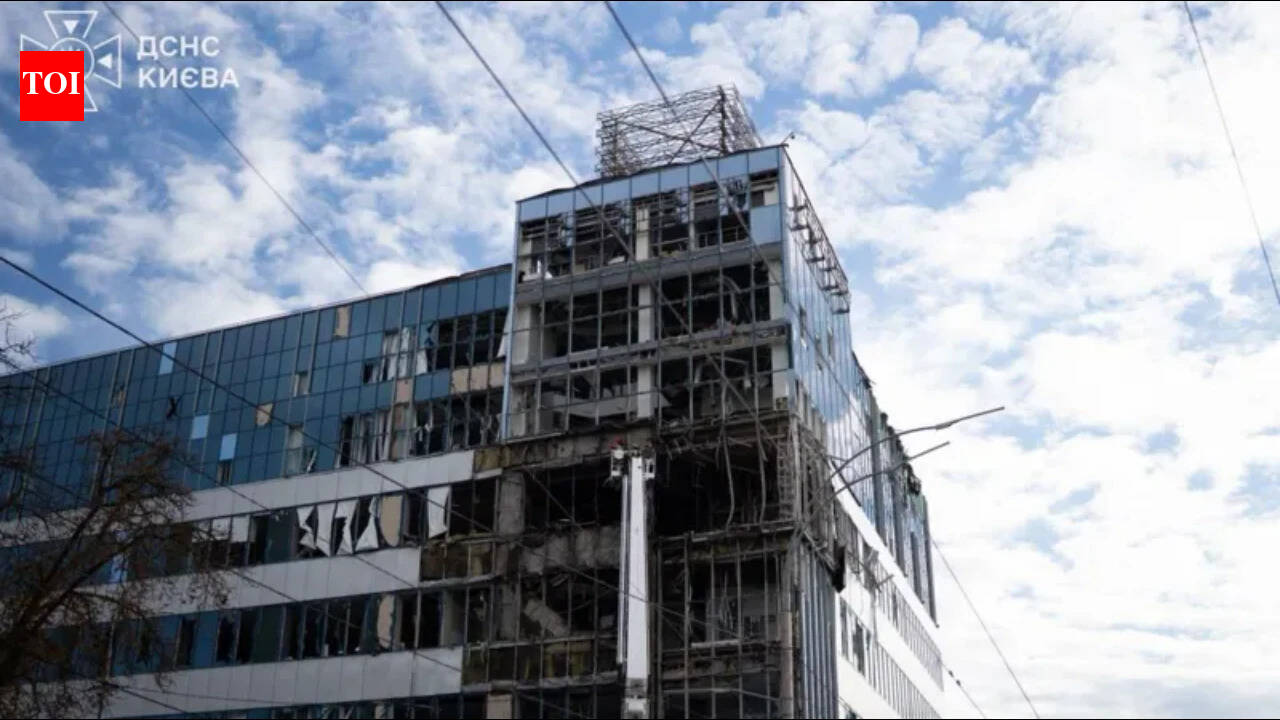
Russian drone strikes on Kyiv have targeted critical data infrastructure, resulting in tragic casualties and widespread internet outages. These attacks signify an escalation in modern warfare, as both sides increasingly treat digital networks as vital military assets.
The Digital Frontline: Russia’s Shift Toward Data Infrastructure
Recent reports confirm a significant escalation in the conflict between Russia and Ukraine, as Russian forces have begun systematically targeting Ukraine's data centers and telecommunications hubs. The recent drone strike on the Inkom business center in Kyiv, which resulted in the tragic loss of four lives, represents a shift in tactical focus toward the digital backbone of the Ukrainian state. By disabling physical infrastructure, these strikes have directly impacted the lives of approximately 100,000 households, severing essential internet connectivity and disrupting civilian life.
The Strategic Value of Data Centers
Data centers have evolved into the "nerve centers" of modern society, acting as the foundation for both civilian services and military logistics. In the context of the ongoing war, these facilities do more than store information; they support the command-and-control structures necessary for national defense. Russia’s justification for these attacks—alleging that these sites were utilized by military intelligence—underscores a shift where the line between civilian infrastructure and military targets has become increasingly blurred. This strategy aims to degrade Ukraine's ability to communicate, coordinate, and maintain a functional administration under the pressure of invasion.
Impact on Civilian and Essential Services
President Volodymyr Zelenskyy has explicitly highlighted the danger these strikes pose to the continuity of vital services. In the modern era, healthcare, banking, and emergency response systems rely heavily on the digital connectivity provided by firms like Datagroup. When a facility such as the one in the Inkom business center is compromised, the ripple effects are felt across the entire region. While Datagroup has successfully shifted operations to backup sites, the physical destruction of infrastructure forces a reliance on redundancy that is both costly and difficult to maintain under constant aerial bombardment.
The Evolution of Modern Warfare
This trend toward targeting digital infrastructure reflects a broader development in 21st-century warfare, where cyber-kinetic integration is paramount. By combining drone strikes with the disruption of data flows, Russia seeks to paralyze the target's decision-making loop. This creates a dual burden for Ukraine: defending the physical territory while simultaneously securing the digital architecture that keeps the nation afloat. The reliance on backup systems and decentralized cloud architecture has become a necessity for survival in this environment.
Future Trends and Geopolitical Implications
Looking ahead, it is highly probable that the targeting of telecommunications will remain a core component of Russian military strategy. As digital resilience becomes a key metric of national security, we can expect to see further investment in hardened, decentralized data storage by Ukrainian authorities. The international community is likely to view these strikes as a test of the resilience of digital infrastructure in wartime, potentially prompting new legal and humanitarian discussions regarding the protection of data facilities under the Geneva Conventions.
Conclusion
In summary, the attack on Kyiv’s data infrastructure is a stark reminder that the battlefield of today extends far beyond trenches and artillery. The loss of life at the Inkom business center is a grim testament to the high stakes involved in this digital conflict. As the war continues to evolve, the ability to protect and rapidly restore communication networks will be as critical to the outcome of the conflict as the movement of troops on the ground.