"Serial Practitioner Of Terrorism": S Jaishankar Rips Into Pakistan At UN
Source Entity
NDTV News Search Records Found 1000
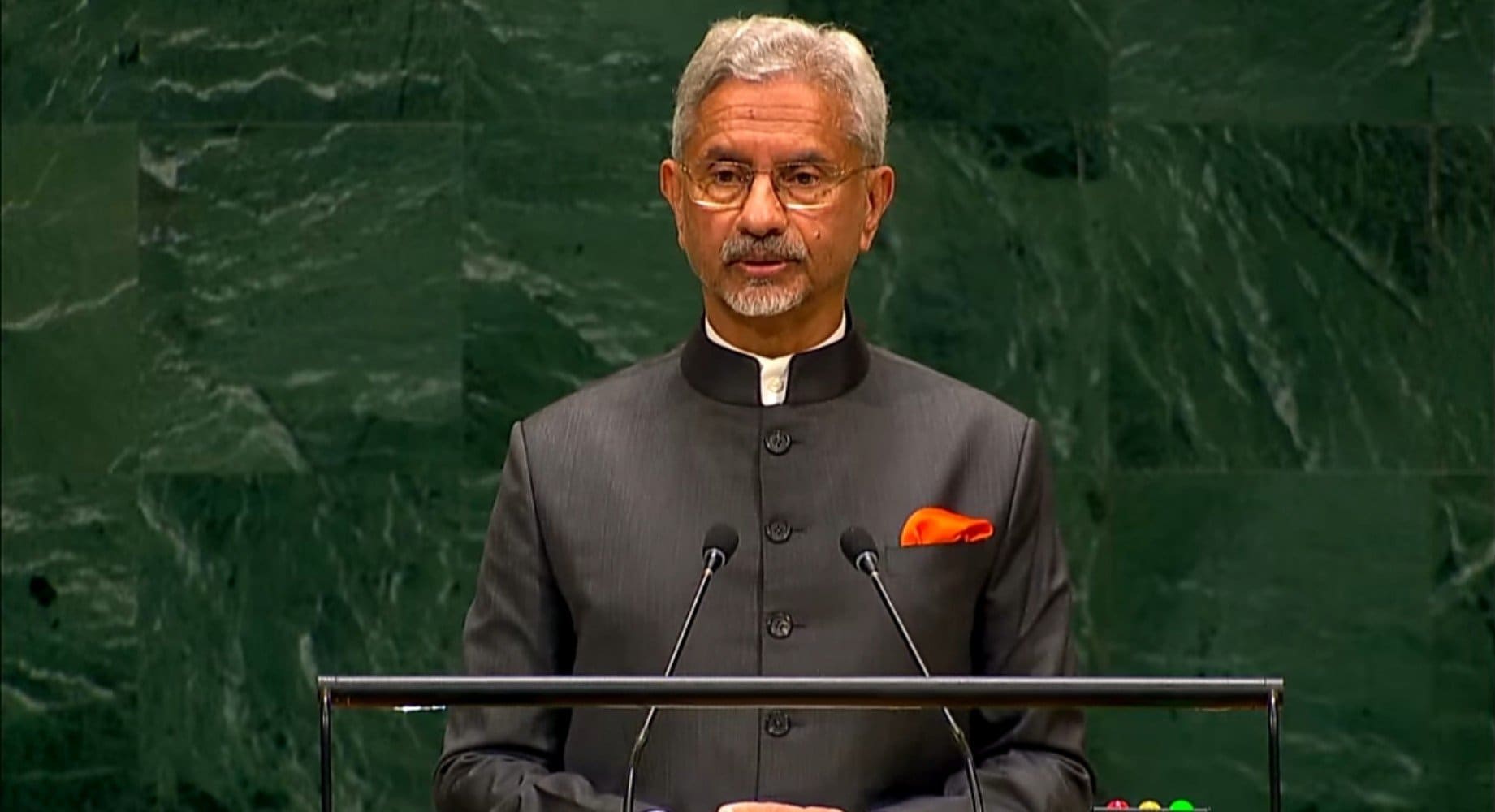
External Affairs Minister S Jaishankar sharply rebuked a Pakistani journalist at the UN for questioning India on terrorism. He dismissed the query by labeling Pakistan a 'terrorist country' before exiting the press briefing.
Diplomatic Tensions at the UN: Jaishankar’s Sharp Rebuttal
During a recent press engagement at the United Nations headquarters in New York, Indian External Affairs Minister S Jaishankar delivered a pointed and widely publicized response to a Pakistani journalist. The interaction occurred following a joint briefing with Liberian Foreign Minister Sara Beysolow Nyanti regarding the launch of a new Group of Friends initiative dedicated to the safety and security of global shipping and seafarers. When the journalist posed a direct question regarding India's alleged role in sponsoring terrorism within Pakistan, the Minister immediately shut down the line of inquiry.
The Context of the Confrontation
The exchange highlights the persistent and volatile nature of India-Pakistan diplomatic relations on international stages. By responding with, “A terrorist country is asking me that question. Come on,” Jaishankar utilized a blunt rhetorical strategy to invalidate the premise of the journalist's query. This incident is reflective of India's long-standing official stance that Pakistan serves as a base for cross-border terrorism, a narrative that New Delhi consistently emphasizes in bilateral and multilateral forums.
Analyzing the Rhetorical Shift
Jaishankar’s response represents a departure from traditional, highly sanitized diplomatic discourse. By directly labeling the journalist's home nation as a “terrorist country” in a global setting like the UN, the Minister signaled a refusal to engage with narratives that he views as hypocritical. This maneuver serves both a domestic and international purpose: it reinforces the Indian government's firm stance on national security while simultaneously signaling to the global community that India will no longer entertain what it perceives as provocative or false accusations.
Broader Geopolitical Implications
The incident at the UNGA session underscores the difficulty of maintaining diplomatic decorum when historical grievances remain unresolved. The interaction serves as a microcosm of the broader South Asian geopolitical landscape, where public posturing often outweighs behind-the-scenes dialogue. By dismissing the question and exiting the room shortly after, the Minister prioritized the framing of the narrative over a protracted debate, effectively silencing the questioner through sharp, dismissive rhetoric.
Future Trends in Indo-Pak Relations
Looking ahead, this exchange suggests that the current Indian administration will continue to prioritize assertive diplomacy over conciliatory engagement regarding Pakistan. As India seeks to expand its influence on the global stage, particularly through security-focused initiatives like the Group of Friends for seafarers, it is increasingly likely to deploy such confrontational tactics to manage international perceptions. The trend indicates a hardening of stances, where diplomatic spaces are increasingly used as arenas for ideological and strategic combat rather than traditional negotiation.
Multiple Citing Sources
Verification Required?