Dimon shares list of leadership traits that he wants to see in JPMorgan's next CEO
Source Entity
TOI TECH DESK
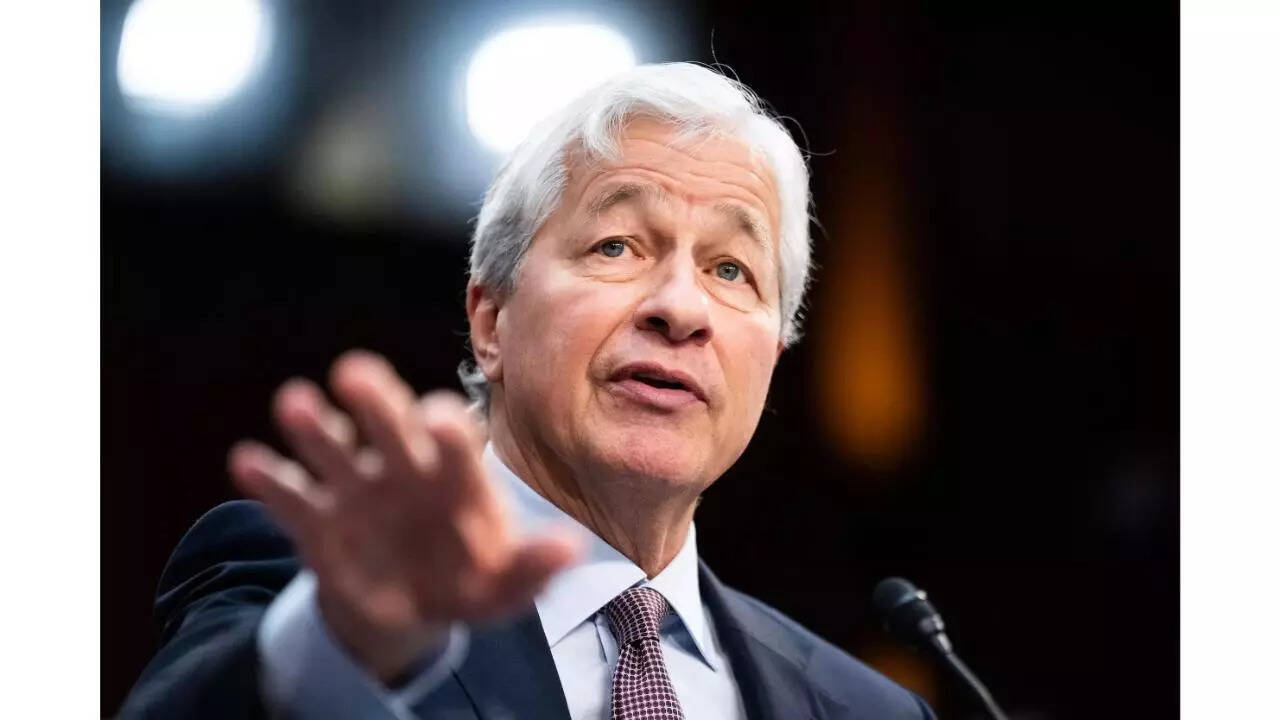
JPMorgan Chase CEO Jamie Dimon has outlined the essential leadership traits required for his eventual successor, emphasizing a combination of analytical rigor, political navigation, and deep operational knowledge of back-office functions.
The Blueprint for Succession: Analyzing Jamie Dimon's Leadership Criteria
Jamie Dimon has long been regarded as one of the most influential figures in global finance, steering JPMorgan Chase through the 2008 financial crisis and into an era of unprecedented dominance. The recent disclosure of the specific traits he seeks in a successor is more than a simple HR checklist; it is a strategic roadmap for the future of the largest bank in the United States. By detailing these requirements, Dimon is signaling to the markets and the internal organization that the next leader must be a polymath capable of balancing quantitative precision with qualitative leadership.
The Intersection of Analytics and Work Ethic
Dimon's emphasis on a blend of analytical skills and a rigorous work ethic reflects the sheer scale of JPMorgan's operations. Managing a balance sheet of trillions of dollars requires a leader who can dive deep into the data to identify systemic risks before they manifest. In the high-stakes environment of global banking, 'analytical skills' translate to the ability to synthesize complex financial instruments and macroeconomic trends in real-time. Furthermore, the demand for a strong work ethic underscores the relentless nature of the CEO role at a Systemically Important Financial Institution (SIFI), where the responsibility for global financial stability often requires an exhaustive commitment to oversight.
Navigating the Geopolitical Minefield
One of the most critical components of Dimon's criteria is the ability to navigate global politics. Modern banking is no longer just about capital allocation; it is deeply intertwined with diplomacy, trade policy, and regulatory compliance across multiple jurisdictions. The next CEO will need to manage relationships with central banks, heads of state, and regulatory bodies during a period of heightened geopolitical volatility. Dimon recognizes that the bank's success is contingent upon its ability to operate seamlessly in diverse political climates, making diplomatic savvy a non-negotiable trait for the next leader.
The Importance of Operational Depth
Notably, Dimon highlighted the necessity of understanding 'complex back-office functions.' While many executives focus on the 'front-office'—the revenue-generating side of investment banking and wealth management—Dimon views the 'plumbing' of the bank as the foundation of its resilience. An understanding of clearing, settlement, cybersecurity, and risk infrastructure is what prevents catastrophic operational failures. By prioritizing this knowledge, Dimon is ensuring that his successor will not be a mere figurehead but a leader who understands the mechanical intricacies that keep the global financial system moving.
Culture, Talent, and the Transition Path
Despite the focus on succession, Dimon's assertion that he has no immediate plans to retire provides a stabilizing effect on the bank's stock and employee morale. His confidence in the 'deep talent pool' suggests that JPMorgan has spent years grooming internal candidates through a rigorous rotation of roles. This internal cultivation is a strategic move to ensure cultural continuity, preventing the 'organ transplant' shock that often occurs when a legendary founder or long-term CEO is replaced by an external hire. The transition will likely be a gradual hand-off, ensuring that the incoming leader is fully acclimated to Dimon's high standards of excellence.
Conclusion
Jamie Dimon's vision for his successor is a reflection of his own leadership style: a combination of intellectual curiosity, operational obsession, and strategic diplomacy. By articulating these needs, he has set a high bar for the next generation of financial leadership. The focus on both the human element and the technical back-end suggests that JPMorgan is preparing for a future where the CEO must be as comfortable in a server room or a diplomatic summit as they are in a boardroom.