Jamie Dimon has a plan to revive the West: A 'big, beautiful' deal with Europe
Source Entity
US Top News and Analysis
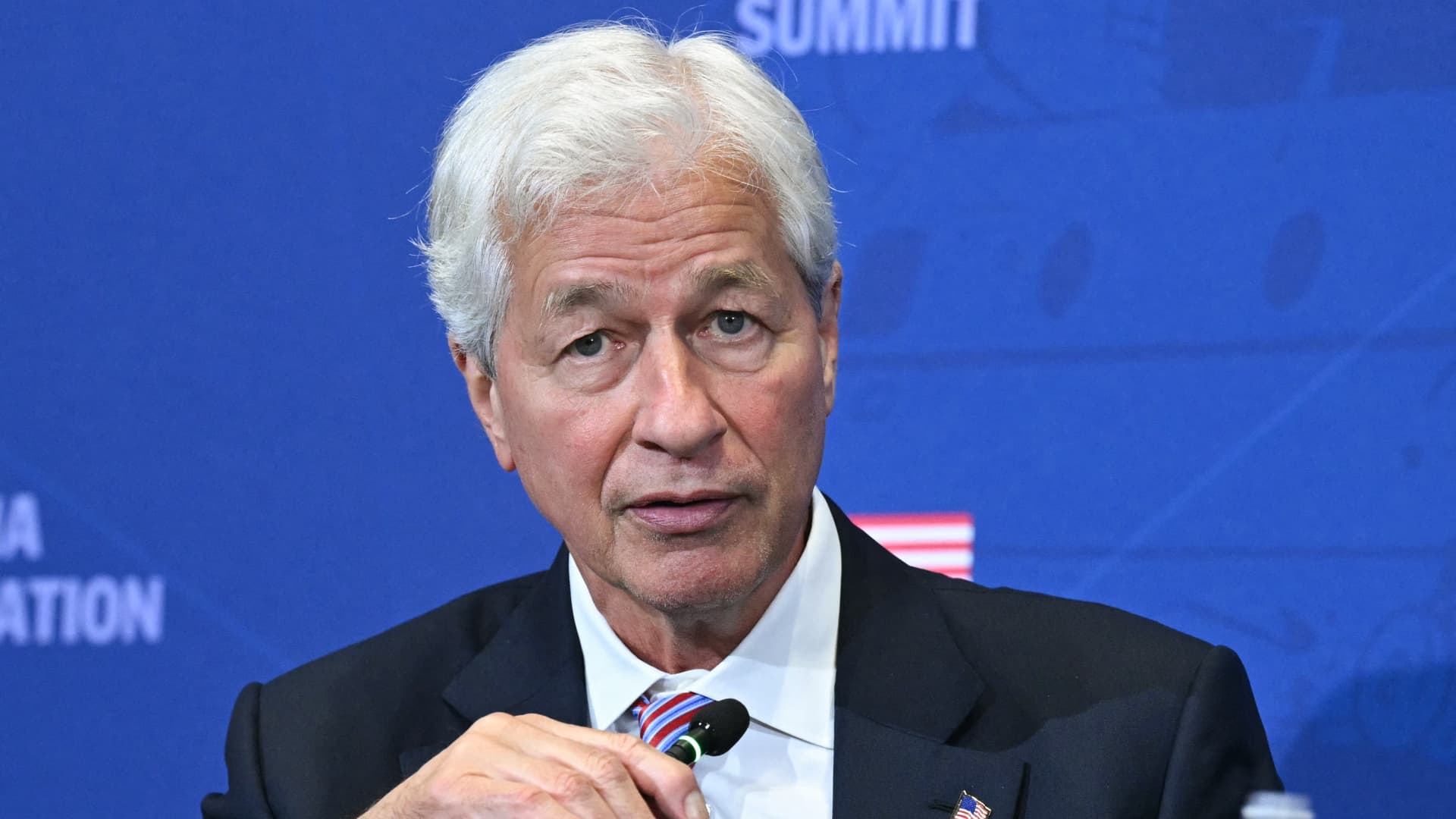
JPMorgan CEO Jamie Dimon has proposed a major economic and defense-linked trade deal between the U.S. and Europe to revitalize Western economies. The initiative aims to incentivize structural reform in Europe in exchange for a comprehensive free-trade agreement.
A Strategic Vision for Western Resiliency
JPMorgan Chase CEO Jamie Dimon has recently articulated a bold geopolitical and economic vision, suggesting that the future of the Western world hinges on a profound realignment between the United States and Europe. Speaking at the Pennsylvania Defense and Innovation Summit at the U.S. Army War College, Dimon outlined a proposal for a comprehensive economic and free-trade agreement, designed to act as a catalyst for growth and stability.
The Mechanics of the Proposed Deal
At the core of Dimon’s proposal is a quid pro quo framework. He suggests that the United States should offer Europe a "big, beautiful" economic pact, contingent upon Europe executing significant structural reforms. These reforms are not merely fiscal; they encompass both economic liberalization and a substantial strengthening of defense capabilities. By linking market access to security and resiliency benchmarks, Dimon aims to address the current stagnation affecting parts of the European continent.
Addressing Transatlantic Friction
Dimon acknowledges that the U.S. and Europe currently face a variety of disputes; however, he frames these as minor in the broader historical and geopolitical context. By proposing a singular, massive trade agreement, he seeks to elevate the transatlantic partnership above day-to-day bureaucratic or trade-specific frictions. This approach suggests that the benefits of a unified economic and security bloc far outweigh the costs of individual protectionist policies or regulatory disagreements.
Economic and Security Interdependence
The synthesis of economic health and military readiness is a hallmark of Dimon’s argument. By emphasizing security and resiliency as prerequisites for this trade deal, he is signaling that the U.S. views European economic output and military preparedness as vital components of its own national security strategy. This reflects a growing consensus among global business leaders that the traditional separation between geopolitical stability and economic prosperity is no longer tenable in a fractured global landscape.
Future Implications and Trends
If such a deal were to gain traction, it would represent a historic shift in Western policy, potentially signaling a move toward deeper integration rather than the fragmentation that has characterized recent years. Should Europe commit to the reforms Dimon suggests, the result could be a revitalized Western bloc capable of competing more effectively on the global stage. However, the path forward remains complex, as it requires European nations to align their domestic policies with a unified transatlantic objective.
Conclusion
Jamie Dimon’s proposal serves as a pragmatic, albeit ambitious, roadmap for Western renewal. By focusing on the intersection of security, defense, and free trade, he provides a framework that prioritizes long-term stability over short-term political gains. Whether or not this "big, beautiful" deal materializes, it has successfully ignited a necessary conversation about the future of the transatlantic alliance in an increasingly competitive world.