Japan exports in October surge 20.5%, beating estimates on robust chip shipments
Source Entity
US Top News and Analysis
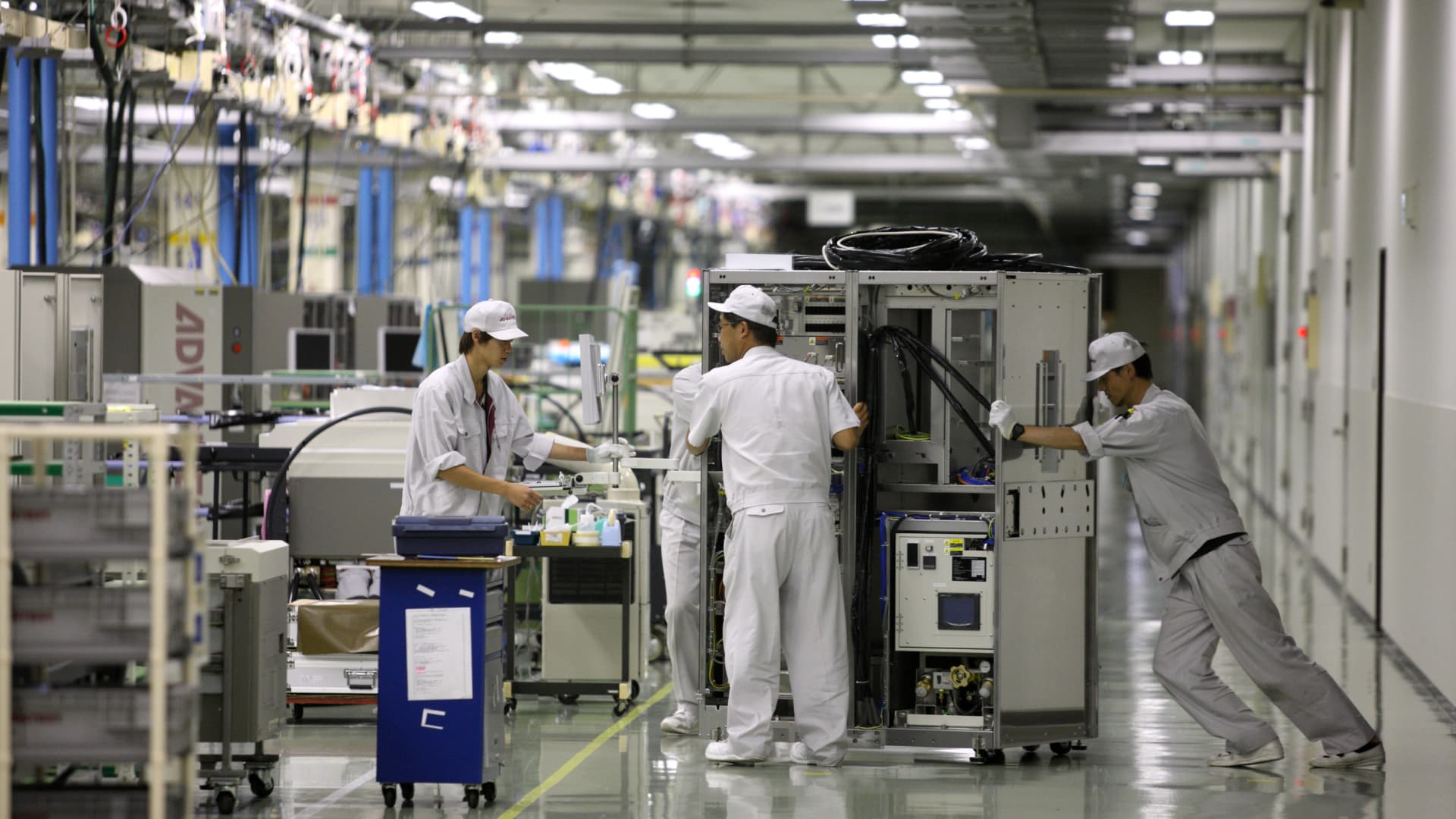
Japan's exports surged 20.5% in October, exceeding expectations driven by a massive 49.7% increase in semiconductor equipment shipments. While trade growth remains strong, the benefits are partially tempered by rising petroleum import costs linked to regional conflicts.
Japan's Export Surge: A Semiconductor-Driven Economic Milestone
Japan’s trade landscape witnessed a significant turnaround in October, with official data revealing a robust 20.5% surge in exports compared to the previous year. This performance not only snapped a two-month period of deceleration but also comfortably outperformed the 20% growth estimate anticipated by economists polled by Reuters. This rebound signifies a resilient manufacturing sector, particularly as it recovers from the more modest 16.5% growth recorded in September.
The Semiconductor Engine
At the heart of this export boom lies the semiconductor industry, which continues to serve as the backbone of Japan’s trade economy. Shipments of semiconductor manufacturing equipment experienced an extraordinary year-on-year increase of 49.7% by value. This data underscores the global demand for advanced hardware, with companies like Advantest Corp. playing a critical role in the supply chain. The ability to scale production and meet international demand for chip testers and assembly equipment has proven to be the primary catalyst for Japan's improved trade balance.
Geographical Trade Dynamics
The strength of Japan's export portfolio is further reflected in its key trading relationships. Shipments to the United States grew by an impressive 23.9%, highlighting the enduring demand from North American markets for Japanese industrial technology. Simultaneously, exports to China rose by 13.3%. Despite geopolitical complexities, the trade link between Tokyo and Beijing remains a vital component of Japan's export strategy, suggesting that industrial reliance on Japanese semiconductor equipment remains high within the Chinese manufacturing ecosystem.
Balancing Growth and Import Costs
While export growth has emerged as the primary engine for Japan’s broader economic expansion, the nation faces a persistent challenge in the form of rising import costs. The report highlights that a significant surge in the value of petroleum imports—exacerbated by the ongoing conflict involving Iran—has created a drag on the national economy. This 'offsetting effect' means that while Japan is successfully selling more high-value technology abroad, it is simultaneously paying a premium for the energy required to sustain domestic production and transportation.
Future Trends and Economic Implications
Looking ahead, Japan's economic trajectory will likely remain tethered to the health of the global semiconductor market and the volatility of energy prices. If the 49.7% growth rate in chip equipment holds, it may provide the necessary cushion to absorb the inflationary pressures caused by expensive petroleum imports. However, the government will need to navigate the delicate balance of maintaining strong export output while managing the domestic impact of global energy shocks to ensure that the current growth momentum translates into sustained long-term economic prosperity.