Japan exports and imports grow at fastest pace in June since November 2022, beating estimates
Source Entity
US Top News and Analysis
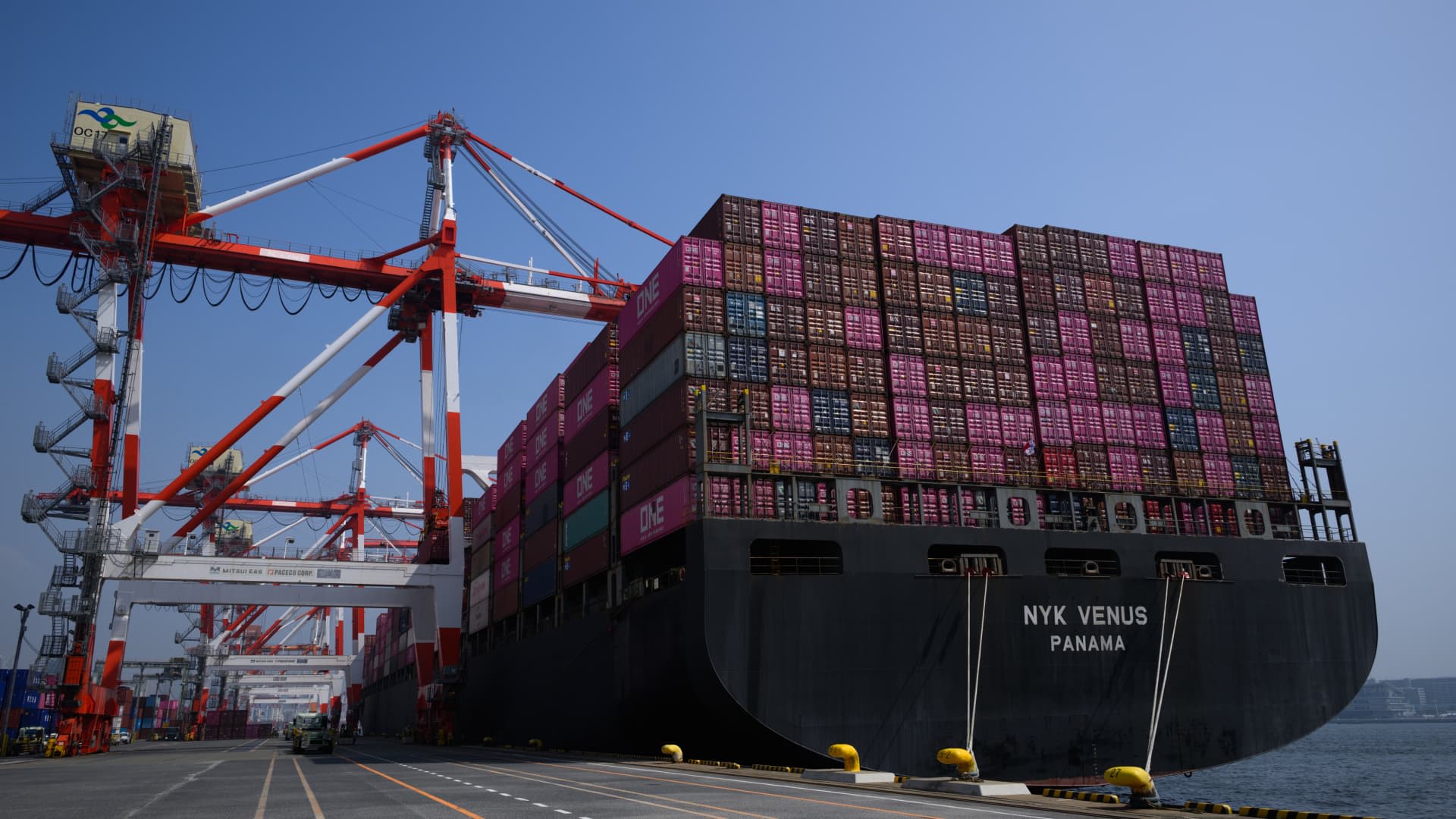
Japan's trade sector saw a significant surge in June, with exports rising 19.3% and imports jumping 25.4%. This growth is primarily driven by strong demand for semiconductor equipment and the economic impact of a weaker yen.
Japan's Trade Surge: A Mid-Year Economic Analysis
Japan’s trade landscape witnessed a remarkable expansion in June, with exports rising by 19.3% and imports spiking by 25.4% compared to the previous year. This performance marks the fastest growth rate for the nation since November 2022, notably exceeding the consensus forecast of 18.6% from market economists. The data, underscored by the presence of vessels like the NYK Venus at Tokyo’s Oi Container Terminal, signals a robust recovery in global demand for Japanese goods.
The Semiconductor Engine
At the heart of this export surge is the global artificial intelligence boom. Shipments of semiconductor manufacturing equipment have become a primary catalyst for Japan’s trade performance. As the international tech sector continues to prioritize AI integration, Japanese firms specializing in high-precision machinery are reaping the benefits. This trend has not only bolstered trade figures but has also led to a positive ripple effect in the domestic stock market, where tech-related equities have seen increased investor interest.
Currency Dynamics and Global Demand
The depreciation of the Japanese yen has played a dual role in these figures. By making Japanese goods more competitively priced in foreign markets, the weaker currency has effectively acted as a tailwind for export volumes. However, the 25.4% spike in imports suggests that the cost of raw materials and energy—often denominated in stronger foreign currencies—has risen significantly, reflecting the complex trade-off Japan faces in its current monetary environment.
Regional Export Performance
Japan’s trade relationships across Asia and the West remain strong. Exports to Asia saw a collective rise of 22.7%, led by an impressive 46.4% jump in shipments to Taiwan. Meanwhile, trade with China, Japan’s largest partner, grew by 17.6%, and shipments to the United States climbed by 13%. These figures highlight a broad-based demand for Japanese industrial output rather than a reliance on a single market.
Future Trends and Outlook
Looking ahead, the sustainability of this growth will depend on the stability of the semiconductor supply chain and global macroeconomic conditions. While the current momentum is strong, the widening gap between export and import growth rates warrants close observation. If the yen remains weak, Japan may continue to see elevated import costs, potentially impacting domestic inflation and consumer purchasing power in the coming quarters.
Conclusion
In summary, June's trade data represents a pivotal moment for the Japanese economy. By capitalizing on the global demand for advanced technology and navigating the challenges posed by currency fluctuations, Japan has solidified its position in the global supply chain. Moving forward, the government's ability to balance these surging trade figures with domestic economic stability will be the defining factor in maintaining this upward trajectory.