Nike to cut off thousands of online distributors in China, restructure digital footprint
Source Entity
US Top News and Analysis
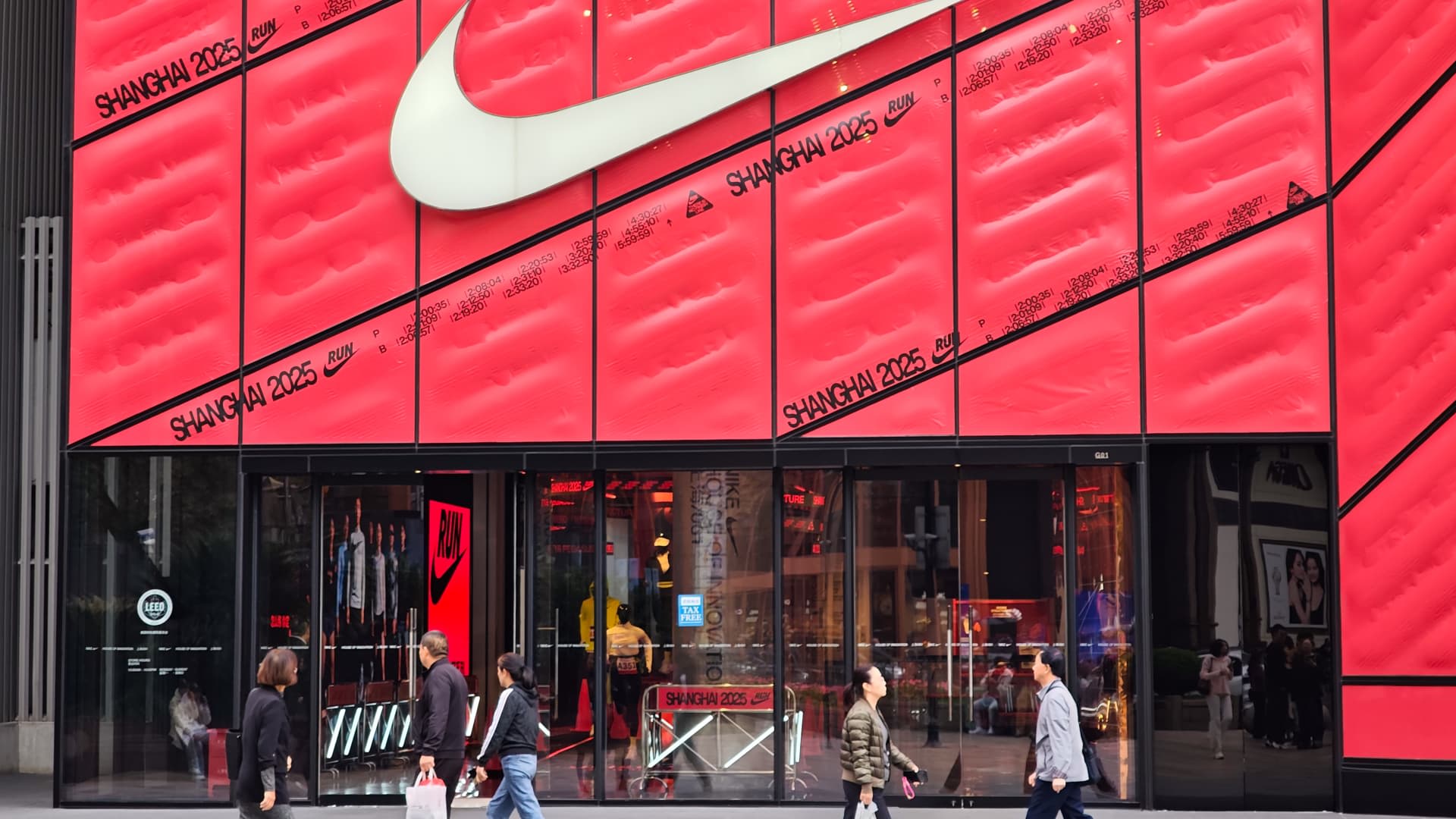
Nike is aggressively restructuring its Chinese digital footprint by terminating thousands of third-party online distributors. This strategic shift aims to centralize control over pricing and brand identity through official channels.
Nike’s Strategic Pivot: Overhauling the Chinese Digital Landscape
Nike has officially announced a significant restructuring of its digital operations in China, a move characterized by the mass termination of thousands of third-party online distributors. Starting in January, the sportswear giant will transition toward a centralized digital model, effectively pruning a fragmented and uncontrolled marketplace that has historically diluted its brand equity. This decision marks a pivotal moment in Nike’s global strategy to prioritize direct-to-consumer (DTC) relationships over decentralized retail networks.
Addressing the 'Messy' Digital Marketplace
For years, Nike’s presence in China relied on an expansive web of secondary distributors and storefronts managed by brick-and-mortar partners. While this provided massive consumer reach, it resulted in a "messy" digital ecosystem characterized by inconsistent pricing and diluted brand positioning. By cutting ties with these smaller, disparate distributors, Nike aims to reclaim control over its market narrative, ensuring that its premium image remains intact across all digital touchpoints.
Centralizing Control via Official Channels
Moving forward, Nike’s digital footprint will be strictly funneled through its proprietary assets—specifically its official website and mobile application—alongside select strategic partnerships on major platforms like Tmall, JD.com, and Douyin. This consolidation allows Nike to leverage high-traffic social and e-commerce platforms while maintaining the exclusivity and oversight that an fragmented network of resellers previously compromised.
The Economic Implications of Price Stability
One of the primary drivers behind this restructuring is the need for price stabilization. In a decentralized market, secondary sellers often engage in aggressive discounting, which can undermine the perceived value of premium sneaker releases. By limiting the number of authorized channels, Nike can better manage its supply chain and promotional cycles, protecting its profit margins and ensuring that its products are sold at price points consistent with its global branding strategy.
Future Trends and Regional Growth
This move is intrinsically linked to Nike’s goal of returning to growth in the Chinese market. As the competitive landscape in China intensifies with the rise of domestic sportswear brands, Nike’s pivot suggests that quality of distribution is now more important than sheer volume. By focusing on a "digital-first" approach that emphasizes direct engagement, Nike is positioning itself to better collect consumer data, personalize shopping experiences, and foster long-term brand loyalty in one of the world's most critical retail regions.