Japan calls on India to fast-track internal process on UNICORN naval radar agreement
Source Entity
India Latest News: Top National Headlines Today & Breaking News | The Hindu
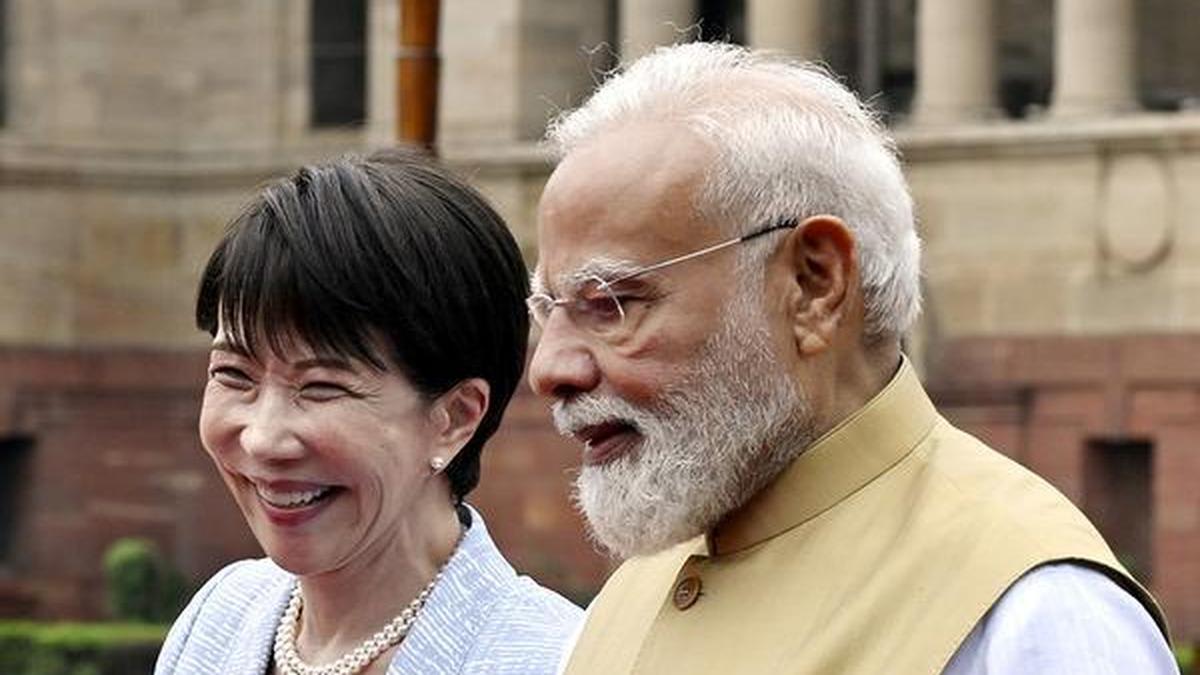
Japan has urged India to expedite the internal ratification of the UNICORN naval radar technology transfer agreement signed in July. This move aligns with Japan's broader strategy to bolster defense ties with Quad partners amid rising global security concerns.
Strengthening Maritime Security: The UNICORN Radar Pact
Japan’s recent diplomatic push to expedite the ratification of the UNICORN (Unified Complex Radio Antenna) naval radar agreement marks a pivotal moment in the defense partnership between Tokyo and New Delhi. Signed during Prime Minister Sanae Takaichi’s visit to India in July, the pact represents a significant step in technology transfer. By requesting India to fast-track its internal processing, Japan is signaling a desire to operationalize this hardware cooperation, which is essential for enhancing the situational awareness and electronic warfare capabilities of both nations' naval fleets.
Strategic Context and the Quad
The urgency behind this request is underscored by the broader geopolitical environment in the Indo-Pacific. A senior official from Japan's Ministry of Defence confirmed that the next naval exercise involving Quad member-states is scheduled to take place near the Sea of Japan before the end of 2026. This timing is critical; as the Quad seeks to project a unified maritime front, the integration of advanced systems like UNICORN into shared operational frameworks ensures that participating navies can achieve higher levels of interoperability and technological synergy during joint maneuvers.
Policy Overhauls Amid Global Instability
The impetus for this acceleration is not isolated to bilateral trade but is deeply rooted in Japan’s evolving national security strategy. The Japanese official highlighted that Tokyo is preparing to overhaul major policy documents concerning defense, national security, and military supply chains. This shift is a direct response to the volatility caused by ongoing conflicts in West Asia and Ukraine. Japan recognizes that global supply chain disruptions and shifting security paradigms require a more agile and integrated defense industrial base, one that relies heavily on trusted partners like India.
Deepening Military Collaboration
Beyond the specific radar agreement, the call for closer military collaboration suggests a long-term roadmap for India-Japan security relations. The UNICORN system, which integrates multiple antennas into a single mast to reduce radar cross-sections, is a prime example of the high-end technology Japan is willing to share. This collaboration reflects a mutual recognition that the maritime domain is increasingly contested, necessitating a departure from traditional procurement models toward co-development and co-production initiatives.
Future Trends and Regional Stability
Looking ahead, the successful implementation of the UNICORN agreement will likely serve as a blueprint for future defense technology transfers. As Japan continues to recalibrate its military posture, India’s role as a strategic pillar in the Indo-Pacific becomes more pronounced. If the internal processing is completed promptly, it will demonstrate a new level of administrative efficiency and political will between the two nations, potentially paving the way for further cooperation in unmanned systems, artificial intelligence, and cyber-defense, thereby ensuring a more stable and resilient regional security architecture.
Verification Required?