On Camera, Nuclear-Capable Russian Heavy Bomber Crashes Into Flames, 6 Dead
Source Entity
NDTV News Search Records Found 1000
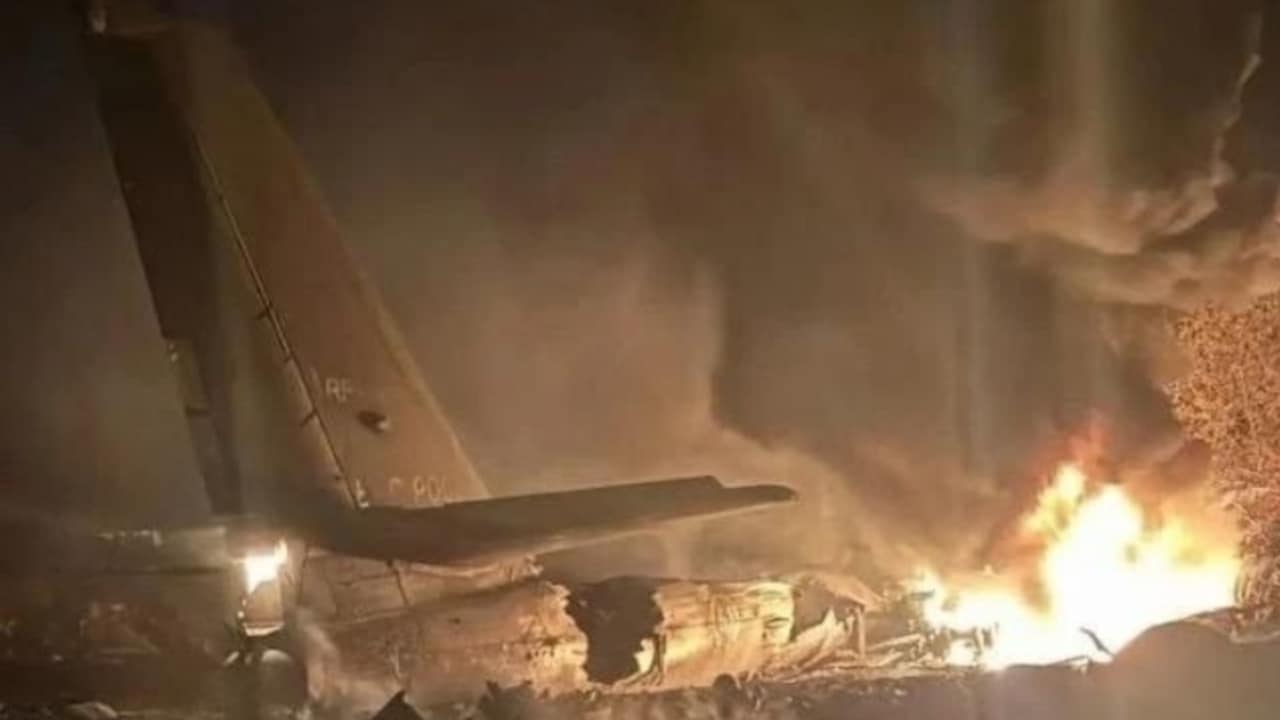
A Russian Tu-95MS strategic bomber crashed during a training flight in the Amur region, resulting in six fatalities and one injury. Preliminary reports suggest a fuel explosion, and an official investigation is currently underway.
Tragedy in the Amur Region: Russian Bomber Crash Analysis
The Incident Overview
On Tuesday, a significant military aviation incident occurred in the eastern Amur region of Russia, where a Tu-95MS strategic bomber crashed during a scheduled training flight. The Russian Ministry of Defence confirmed that the crash resulted in the deaths of six crew members, while one survivor was recovered and transported to a medical facility for treatment. The aircraft went down in an uninhabited area, a factor that likely prevented further casualties on the ground.
Technical and Operational Context
The Tupolev Tu-95, known by the NATO reporting name 'Bear,' is a long-range, nuclear-capable strategic bomber that serves as a cornerstone of the Russian Aerospace Forces. Developed during the Soviet era, these aircraft remain a critical component of Russia's military posture, frequently utilized for long-range patrols and military exercises. The fact that this crash occurred during a routine training mission highlights the inherent risks associated with operating aging but modernized airframes in demanding flight conditions.
Investigating the Cause
Preliminary data provided by officials suggests that a 'fuel explosion' may have triggered the catastrophic failure of the aircraft. Following the impact, a large fire broke out at the crash site, with visual evidence circulating on social media showing thick smoke and flames rising from the wreckage. While the Ministry of Defence clarified that the aircraft was not carrying any ammunition at the time, the intensity of the post-crash fire underscores the volatility of aviation fuel loads during such emergencies.
Broader Strategic Implications
The loss of a Tu-95MS is a notable setback for the Russian military, particularly given the aircraft's role in strategic deterrence. While the crash occurred in a remote area and did not result in civilian harm, such incidents inevitably prompt internal reviews regarding the safety protocols and maintenance schedules of the legacy fleet. The Russian government has launched a formal investigation to determine the precise sequence of events leading to the fuel system failure.
Looking Forward
As the investigation continues, the focus will likely remain on whether the crash was the result of mechanical failure, human error, or a specific technical flaw within the Tu-95 fleet. Military analysts will be watching closely to see if this incident leads to a temporary grounding of similar aircraft for safety inspections. The loss of six crew members serves as a somber reminder of the dangers inherent in the operation of heavy strategic bombers, even in a non-combat, training capacity.
Verification Required?