JEE Advanced 2026: More qualifiers despite slower seat growth; CSE dominates
Source Entity
Latest News: Todays Latest News Headlines from India & World | Hindustan Times | Hindustan Times
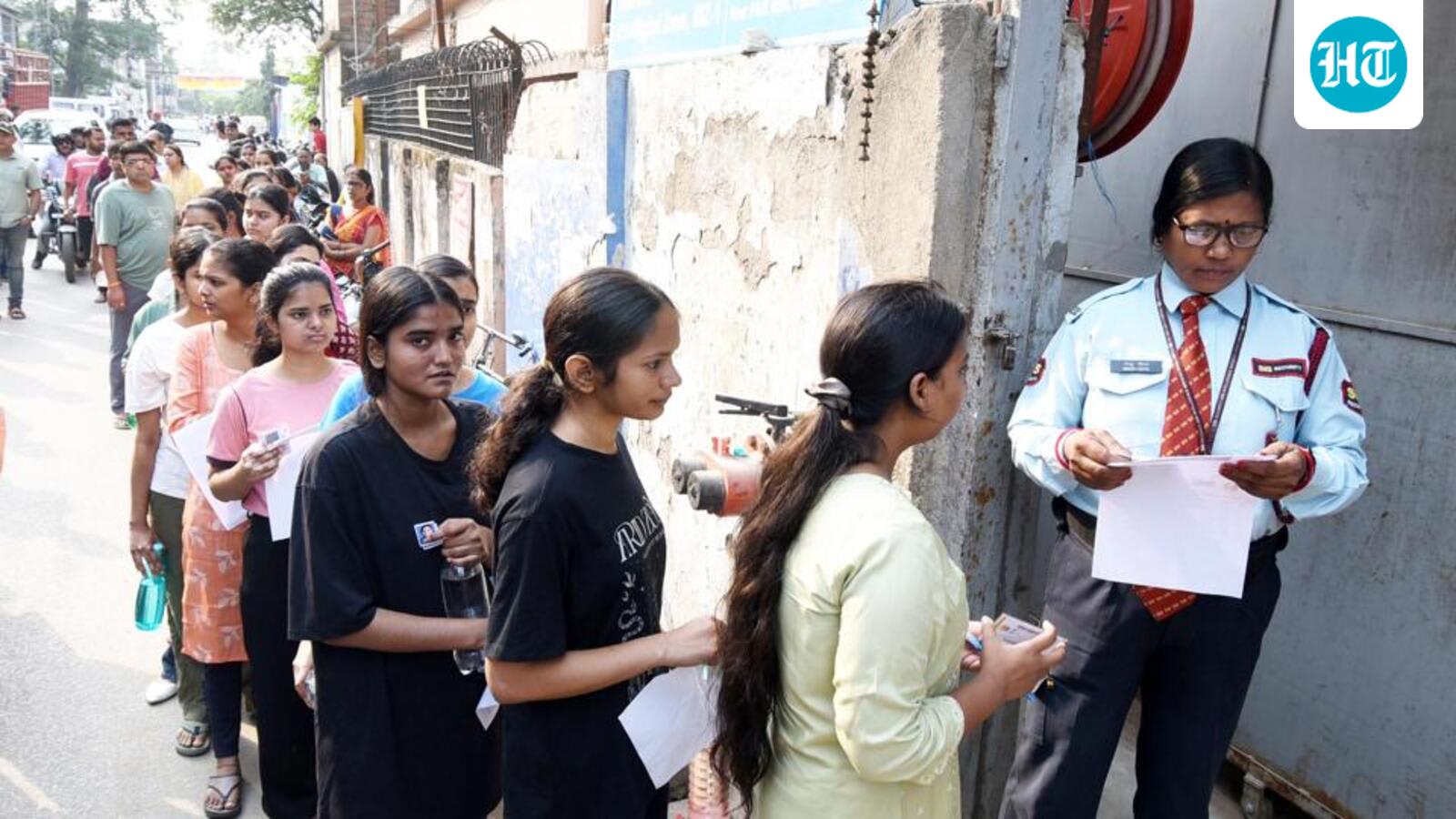
The 2026 JEE Advanced results reveal a widening gap between the rising number of qualified candidates and available IIT seats. Despite a 4.6% increase in qualifiers, only one in three successful students secured a seat, highlighting intense competition.
The Growing Disparity in IIT Admissions: An Analysis of JEE Advanced 2026
The 2026 JEE Advanced results, as reported by IIT Roorkee, highlight a deepening structural challenge within India’s premier engineering education system. With 56,880 candidates qualifying for admission—a 4.6% increase from the 54,378 qualifiers in 2025—the competition for seats at the 23 Indian Institutes of Technology (IITs) has reached unprecedented levels of intensity.
The Seat Capacity Bottleneck
While the pool of qualified students has expanded, the infrastructure for intake has not kept pace. The JIC report indicates that the total seat capacity rose from 18,160 in 2025 to 18,826 in 2026, representing a growth of only 3.7%. This mismatch means that approximately one in three qualifiers successfully secures a seat at an IIT. This mathematical reality underscores the extreme difficulty of the admission process, where the supply of high-quality technical education remains significantly constrained relative to the burgeoning demand.
Academic Excellence at the Top
At the pinnacle of this competitive landscape, Shubham Kumar emerged as the AIR 1 topper with a score of 330 out of 360. His performance, alongside AIR 2 Kabeer Chhillar’s 329 marks, illustrates the razor-thin margins that define the top tier of Indian engineering aspirants. Interestingly, both top performers shared a background in Kota—a hub for competitive coaching—highlighting the concentrated nature of preparation strategies that define the modern JEE experience.
A Decade of Competitive Evolution
Looking back at the last decade of JEE Advanced toppers, from Aman Bansal in 2016 to Shubham Kumar in 2026, the exam has consistently served as a filter for exceptional talent. However, the data reveals that the challenge is no longer just about academic mastery, but about navigating a system where the threshold for 'success' (qualifying) is increasingly disconnected from the reality of 'placement' (securing a seat).
Broader Implications and Future Trends
This trend poses significant questions for policymakers regarding the future of technical education. As the number of applicants continues to surge—with 1,79,694 candidates appearing for both papers in 2026—the pressure on the existing 23 IITs to expand capacity becomes a critical national concern. Without a more aggressive expansion of infrastructure or a diversification of high-quality technical institutes, the 'one-in-three' success ratio may continue to decline, potentially forcing students to seek alternatives outside the IIT ecosystem.
Concluding Summary
The 2026 JEE Advanced cycle reflects a system under pressure. While the quality of students qualifying for the exam remains high, the slow growth of seat capacity relative to the increase in successful candidates suggests that the bottleneck for elite engineering seats will remain a defining feature of the Indian educational landscape for the foreseeable future.
Multiple Citing Sources
Verification Required?