A vocal cohort of tech leaders celebrates Huang’s Nvidia return, but others are keeping quiet
Source Entity
Dara Kerr
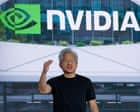
Prominent tech leaders like Elon Musk and Sam Altman have publicly celebrated Jensen Huang's return as Nvidia CEO. Meanwhile, executives from Google, Meta, and Apple have remained notably silent on the matter.
The Cult of Personality in Silicon Valley
The recent public outpouring of support for Jensen Huang following his return as CEO of Nvidia highlights the unique, almost mythic status that certain technology leaders occupy in modern industry. When high-profile figures like Elon Musk and Sam Altman use hyperbolic language—referring to Huang as a "king" or even using religious metaphors—it underscores the immense influence Nvidia currently holds over the global AI infrastructure. This reaction is not merely professional courtesy; it is a reflection of how deeply the fortunes of companies like OpenAI and xAI are tethered to the hardware dominance of Nvidia.
The Strategic Silence of Tech Giants
While the reaction from Musk and Altman was boisterous, the silence from the leadership at Google, Meta, and Apple is equally telling. This lack of public comment likely stems from the complex, competitive landscape of the AI sector. Companies like Google and Meta are both major customers of Nvidia and potential rivals in the development of custom artificial intelligence hardware. By declining to weigh in on the leadership changes at Nvidia, these executives are likely prioritizing corporate neutrality to avoid signaling dependency or vulnerability to their shareholders and competitors.
Historical Context: The Rise of the Hardware King
To understand why this "return" has generated such fervor, one must look at the historical trajectory of Nvidia. Under Huang, the company transitioned from a gaming-focused graphics card manufacturer to the absolute bedrock of the generative AI revolution. The current adulation is a byproduct of Nvidia’s unprecedented market capitalization and its role as the primary supplier of H100 and Blackwell chips. The industry's reliance on Huang’s vision has created a dynamic where his leadership is viewed by many as synonymous with the stability of the entire AI ecosystem.
The Sociopolitical Dimensions of Tech Loyalty
The language used by Musk and Altman—specifically phrases like "the mistake has been corrected"—suggests that there were internal industry anxieties regarding Nvidia’s leadership continuity. This indicates that the tech sector is not just a market of products, but a network of powerful personalities whose personal endorsements can move markets and shape investor sentiment. The use of crown emojis and messianic descriptors highlights the "founder-worship" culture that defines Silicon Valley, where the individual is often viewed as the sole architect of systemic success.
Future Trends and Market Implications
Looking forward, the divide between those who publicly praise Nvidia’s leadership and those who remain silent will likely widen as the AI "compute war" intensifies. As companies race to achieve artificial general intelligence (AGI), the power dynamics between chip suppliers and software developers will become increasingly strained. This episode demonstrates that while Huang currently enjoys a "royal" status among his peers, the underlying competitive tensions suggest that his continued success will be scrutinized heavily by those who prefer not to depend on a single, dominant hardware provider.