Six key questions raised by Jensen Huang's return to Nvidia
Source Entity
US Top News and Analysis
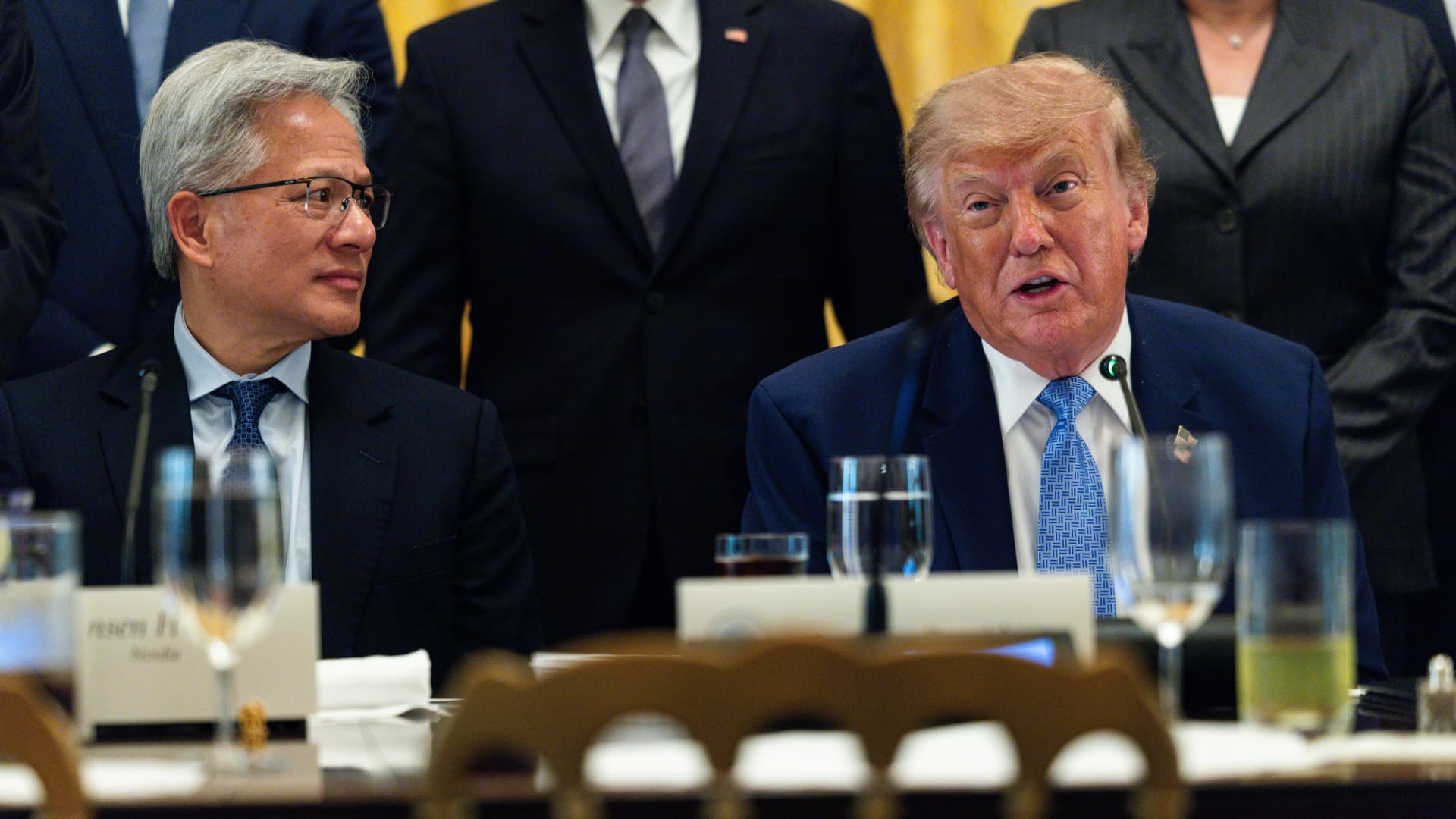
Jensen Huang has been reinstated as CEO of Nvidia just 11 days after his initial resignation, sparking a fierce backlash from Congress. Lawmakers are now demanding investigations into the board's abrupt reversal and the Trump administration's involvement in the decision.
The Rapid Reinstatement of Jensen Huang: A Corporate and Political Firestorm
In a turn of events that has sent shockwaves through both Wall Street and Washington D.C., Jensen Huang has officially returned as the President and CEO of Nvidia. This reinstatement occurs a mere 11 days after his initial resignation, a period during which Nvidia’s board of directors had explicitly stated they had no intention of bringing him back. The speed of this reversal, coupled with the intense public and political reaction, marks one of the most volatile episodes in recent corporate governance history.
The Congressional Backlash
Members of Congress from both sides of the aisle have responded with profound skepticism and outrage. Lawmakers are not merely questioning the internal logic of the Nvidia board; they are directly challenging the Trump administration’s assertion that Huang poses no national security risk. Given that Nvidia’s advanced artificial intelligence chips are a critical component of modern defense and computing infrastructure, concerns regarding the potential diversion of these technologies to China remain a central point of contention for skeptical legislators.
Market Volatility and Investor Sentiment
Financial markets reacted to the news with extreme enthusiasm, with Nvidia shares surging up to 36% during the session before closing 31% higher. This market rally followed a period of instability where shares had dipped to $125.53 despite strong third-quarter earnings. The contrast between the stock market’s bullish response and the legislative branch’s hostility highlights a growing divide between investor confidence in Huang’s leadership and the government’s scrutiny of his executive judgment.
The Role of Public and Institutional Pressure
A critical factor in this reversal appears to be the immense pressure exerted from outside the boardroom. A public petition calling for Huang’s return garnered over 200,000 signatures, and video footage from Nvidia’s Santa Clara headquarters shows employees greeting Huang with a hero’s welcome. Huang himself characterized this return as a "second chance," pledging to the workforce that he would improve his performance as a CEO, while acknowledging the support of the Trump administration and the board members who reversed their initial stance.
Broader Implications for Tech Governance
This event raises fundamental questions about the autonomy of tech giants when faced with national security mandates. The involvement of the Trump administration in assessing Huang’s suitability, despite congressional opposition, suggests a potential shift in how executive-branch agencies oversee the leadership of companies that hold critical leverage over the global AI supply chain. As investigations loom, the industry will be watching closely to see if this "second chance" for Huang survives the intense regulatory and political audit currently being prepared by House members.
Future Trends and Conclusion
Moving forward, Nvidia faces the dual challenge of satisfying its shareholders while navigating a hostile regulatory environment. The incident has set a precedent where public sentiment and employee advocacy can force a board’s hand, but it has also triggered a renewed focus on corporate accountability. Whether Huang can maintain his position in the face of continued congressional inquiries remains the defining question for Nvidia's immediate future.
Multiple Citing Sources