Billionaire Man United owner says he has lost confidence in the UK
Source Entity
BBC News
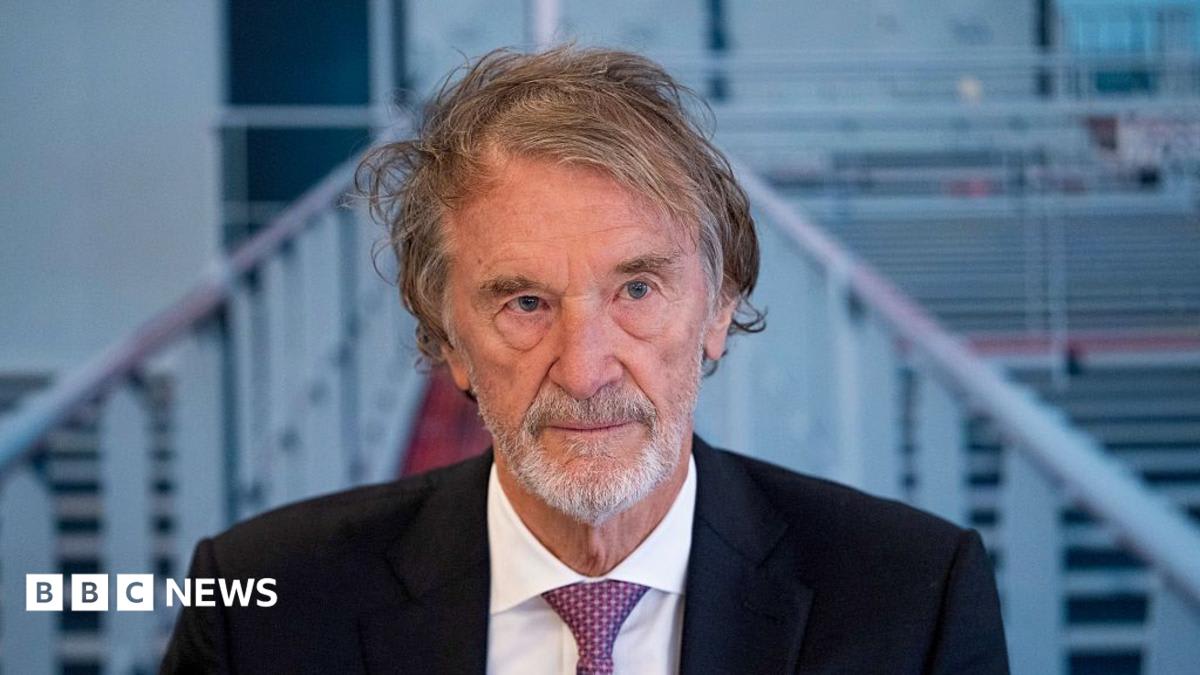
Sir Jim Ratcliffe, billionaire owner of Ineos and Manchester United stakeholder, has publicly criticized the UK's economic trajectory. He cites high taxes, immigration, and energy policy as key drivers of national decline, while the government maintains confidence in its current growth and energy security strategies.
Economic Discontent: Sir Jim Ratcliffe’s Critique of the UK
Sir Jim Ratcliffe, the founder of the petrochemical powerhouse Ineos and a significant stakeholder in Manchester United, has recently voiced profound skepticism regarding the United Kingdom’s economic future. Describing the nation as being "on the slide," his comments underscore a growing tension between prominent industrial figures and the current fiscal and regulatory direction of the British government. This critique serves as a barometer for broader concerns held by investors regarding the UK’s long-term competitive standing in a globalized economy.
The Drivers of Decline: Taxes and Immigration
At the core of Ratcliffe’s argument is a combination of high taxation and immigration levels, which he contends are stifling the country’s potential for growth. For a titan of industry like Ratcliffe, these factors are viewed as impediments to capital investment and domestic productivity. The debate over fiscal policy, particularly corporate tax structures, remains a central theme in British politics, as policymakers struggle to balance the need for public services with the desire to attract and retain private enterprise and high-net-worth individuals.
Energy Security and the North Sea Debate
Perhaps the most pressing concern raised by Ratcliffe involves the nation's energy strategy. By labeling the lack of further investment in North Sea oil and gas as "insanity," he has reignited the contentious debate surrounding the UK’s path to net-zero and energy independence. His warning regarding low gas storage levels and the potential for supply shortages during a cold snap highlights a critical vulnerability in the UK’s energy infrastructure. This perspective challenges the government’s transition strategy, emphasizing the tension between immediate security and long-term climate targets.
Government Response and Economic Outlook
The UK government has offered a rebuttal to these claims, asserting that business investment has seen growth over the past two years. By emphasizing a "diverse energy mix," officials have dismissed concerns regarding potential winter gas shortages, projecting confidence in the current supply chain resilience. This divergence in opinion highlights the disparity between the private sector’s focus on industrial output and the government’s multi-faceted approach to macroeconomic management.
Broader Implications for Industrial Policy
Ratcliffe’s critique is symptomatic of a larger discourse regarding the UK's post-industrial identity. As a major investor in both petrochemicals and sports entertainment, his influence is significant, and his warnings reflect the anxieties of many in the business community regarding regulatory burden. The government’s ability to reconcile these concerns with their legislative agenda will be a deciding factor in investor confidence in the coming years.
Future Trends and Conclusion
Looking forward, the rhetoric surrounding the North Sea will likely remain a flashpoint in UK politics. If the country experiences energy price volatility or supply constraints, the pressure to revisit traditional energy extraction will intensify. Ultimately, the dialogue between billionaire investors and the state will continue to shape the narrative of the UK’s economic recovery, balancing the urgent needs of the energy sector against the broader goals of fiscal sustainability and climate responsibility.