From gym to hangar to sleeping quarters: Iran's three-missile strikes on US base in Jordan
Source Entity
TOI WORLD DESK
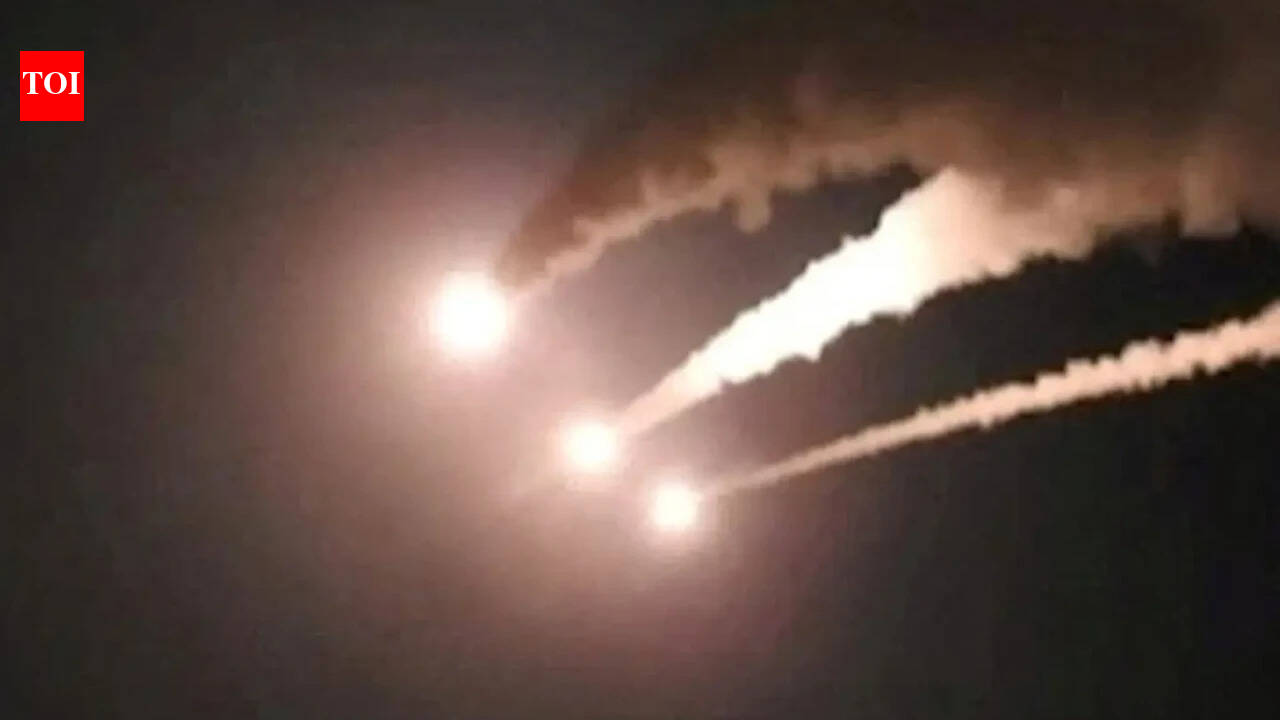
Jordan's air defenses successfully intercepted three Iranian missiles amid escalating regional instability. This incident follows a tragic attack on the Muwaffaq Salti Air Base that resulted in US military casualties and prompted vows of retaliation.
Escalating Tensions in the Middle East
Recent developments in Jordan have underscored the volatile security landscape currently gripping the Middle East. Jordan’s air defense systems successfully intercepted and neutralized three missiles originating from Iran, an event that highlights the Kingdom's precarious position at the intersection of regional power struggles. This interception occurred amidst a broader climate of escalating hostilities linked to the long-standing tensions between the United States and Iran.
The Tragedy at Muwaffaq Salti Air Base
The context surrounding these recent interceptions is framed by a devastating attack on the Muwaffaq Salti Air Base. Recent reports confirm that ballistic missiles struck prefabricated housing units at the base, tragically claiming the lives of American service members. This breach of security, where missiles managed to evade existing defensive measures to strike sleeping quarters, represents a significant failure in force protection protocols and has ignited a fierce debate regarding the vulnerability of coalition forces stationed in the region.
Tactical Vulnerabilities and Operational Challenges
The ability of Iranian weaponry to penetrate the air defenses of a base hosting US personnel signifies a sophisticated escalation in tactical reach. The fact that the base was subjected to three separate strikes within a 24-hour window demonstrates a persistent and calculated threat. This series of events has forced military analysts to re-evaluate the resilience of regional infrastructure against precision-guided munitions and the effectiveness of current interception arrays.
Geopolitical Implications and Retaliatory Rhetoric
Following the loss of life at the air base, the geopolitical stakes have risen sharply. Former President Donald Trump has publicly committed to a retaliatory response, framing the incident as an unacceptable assault on American sovereignty and service members. Conversely, Iran’s supreme leader has issued stern warnings, promising 'unforgettable lessons' for any nation engaging in continued aggression. This cycle of rhetoric and kinetic action threatens to destabilize the region further, drawing neighboring nations like Jordan deeper into a conflict they have historically sought to navigate with diplomatic caution.
Future Trends and Regional Security Outlook
Looking ahead, the security architecture of the Middle East faces an uncertain future. The repeated targeting of Jordanian territory suggests that the conflict is no longer confined to traditional proxy battlegrounds. As nations in the region calibrate their defensive capabilities, we can expect a surge in investment toward advanced integrated air and missile defense systems. The path forward remains fraught with danger, as the balance of power shifts and the threshold for direct military confrontation continues to lower.
Multiple Citing Sources