Trump's forced coal plant extensions thrown out by judge
Source Entity
John Timmer
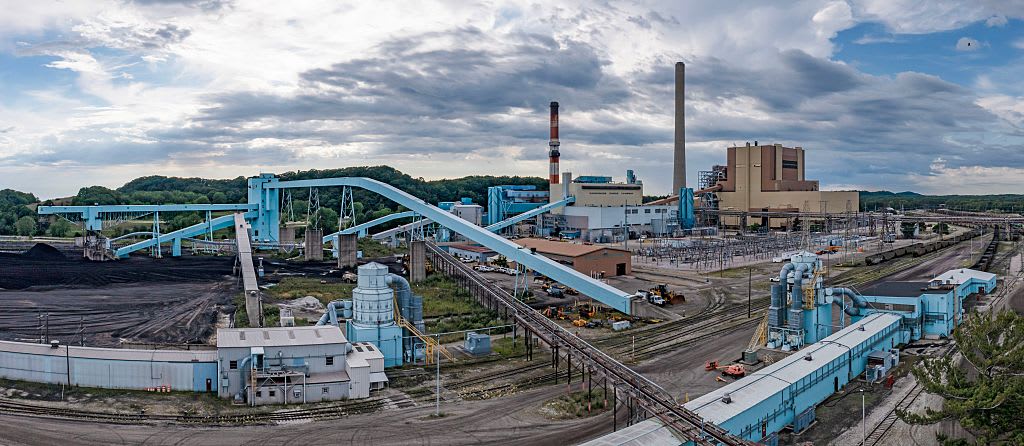
A federal judge has invalidated the Trump administration's attempt to force the continued operation of coal plants by citing a non-existent energy emergency. This ruling serves as a significant legal check on the use of executive authority to bypass market-driven trends in the energy sector.
Judicial Intervention in Energy Policy
A federal judge has issued a significant ruling striking down the Trump administration's attempt to force coal-fired power plants to remain operational beyond their planned retirement dates. The administration had attempted to utilize emergency powers under federal statutes, which allow the Department of Energy (DOE) to mandate power generation during wartime or sudden supply shortfalls. However, the court found that the DOE's declaration of an "emergency" to justify these interventions was legally baseless, as no such crisis existed to warrant the use of these extraordinary powers.
The Failure of Market Manipulation
For nearly two decades, the United States energy grid has undergone a profound transformation, characterized by a steady and significant decline in coal-based electricity generation. Despite the first Trump administration's stated goals to revitalize the coal industry, market forces—driven primarily by the lower costs of natural gas and the increasing viability of renewable energy sources—have consistently pushed coal toward obsolescence. The recent attempt to forcibly prop up these plants represents a shift toward more aggressive executive intervention, aimed at overriding these entrenched economic trends through regulatory mandates rather than market competition.
Legal Limits of Executive Authority
The crux of the legal challenge centered on the DOE’s interpretation of emergency statutes. By attempting to classify the planned closure of uneconomical coal plants as a national energy emergency, the administration sought to extend the life of aging infrastructure that utility providers had already deemed unnecessary. The court’s decision underscores a critical check on executive overreach, affirming that the government cannot manufacture a state of emergency to circumvent standard regulatory processes or to force private companies to maintain unprofitable assets against their operational planning.
Implications for Grid Reliability
Opponents of the administration's policy, including several states where coal plants were slated for decommissioning, argued that these mandates were unnecessary for grid reliability. The court's ruling suggests that the judiciary is skeptical of claims that keeping these specific plants open is vital for national security or energy stability. This decision provides a template for future litigation, as other states and environmental groups continue to challenge similar executive orders that seek to artificially sustain fossil fuel dependence in the face of shifting energy landscapes.
Future Trends in Energy Transition
Looking ahead, this ruling signals a potential stall in the administration’s strategy to use emergency declarations as a primary tool for energy policy. As the transition to cleaner energy sources continues to accelerate, the legal hurdles for maintaining legacy coal infrastructure will likely grow steeper. Investors and energy providers will likely view this verdict as a validation of market-driven closure schedules, reinforcing the trend toward a grid increasingly dominated by natural gas, wind, solar, and battery storage technologies.
Conclusion
The invalidation of the DOE’s emergency declaration marks a pivotal moment in the conflict between executive energy policy and the reality of a changing grid. By rejecting the premise that a lack of coal usage constitutes an emergency, the court has prioritized the rule of law over administrative attempts to engineer an energy future that contradicts current economic and operational data.