Why Satheesan rebuttal of cleric views on women unites rival Muslim bodies
Source Entity
Shaju Philip
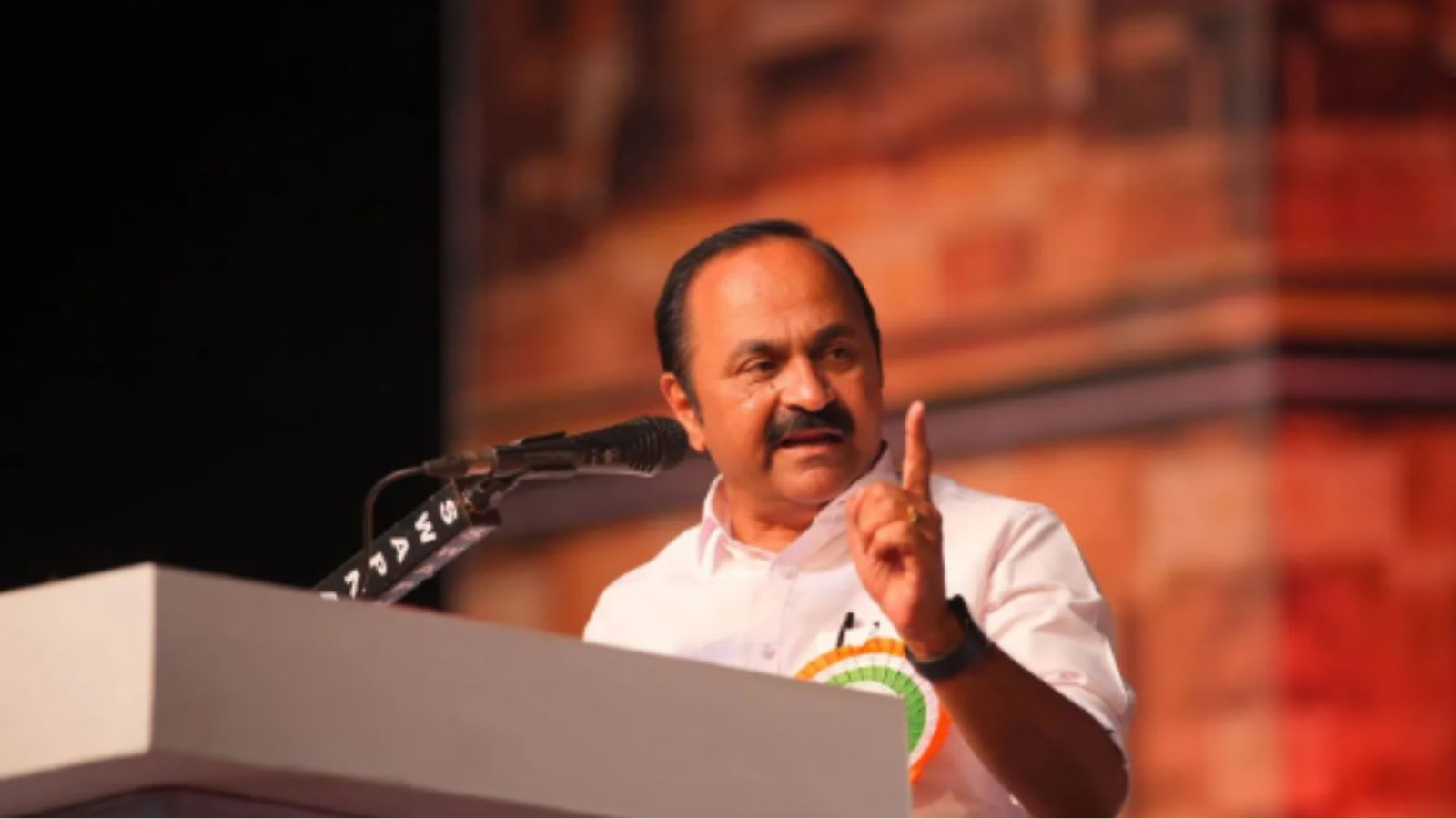
A controversy over a cleric's comments on women in public spaces has unexpectedly united rival Muslim organizations in Kerala. Opposition leader V.D. Satheesan's rebuttal of these views has served as a catalyst for this rare coalition.
The Intersection of Clerical Authority and Public Discourse in Kerala
The recent controversy sparked by 94-year-old Sunni Muslim cleric Kanthapuram A. P. Abubacker Musliyar has sent shockwaves through the socio-political landscape of Kerala. By issuing a directive to mosques and madrasas under the Samastha Keralam Jamiyyathul Ulema organization, Kanthapuram sought to restrict the participation of women in public celebrations, specifically regarding Eid Milad-un-Nabi. His assertion that Islamic celebrations must remain within strict religious confines serves as a flashpoint for a broader debate on gender roles and religious interpretation in modern society.
A Rare Moment of Organizational Convergence
What makes this development particularly noteworthy is the unexpected reaction from the broader Muslim community. Traditionally, Muslim organizations in Kerala have been deeply fragmented, operating along rigid ideological, political, and organizational lines. However, the intensity of the backlash against Kanthapuram’s restrictive views on women’s presence in public spaces has created a rare common front. These rival factions, which usually exist in a state of perpetual ideological gridlock, have found a point of consensus in their rejection of the cleric's specific interpretation of Islamic conduct.
The Role of Political Intervention
Opposition leader V.D. Satheesan played a pivotal role in this unfolding narrative. By offering a sharp rebuttal to the cleric's views, Satheesan provided a platform that allowed these disparate groups to coalesce. His intervention transformed a localized religious directive into a mainstream political issue, effectively challenging the traditional influence of clerical authorities over the public lives of women. This suggests that political figures in Kerala remain highly attuned to the sensitivities of religious discourse and its impact on the state's secular fabric.
Challenging Traditional Interpretations
The core of the conflict lies in the tension between traditionalist interpretations of religious law and the evolving realities of public life. Kanthapuram’s warning against the mingling of men and women reflects a rigid adherence to specific orthodox views that are increasingly being challenged by younger generations and progressive voices within the community. The fact that this directive was met with such organized resistance indicates a shifting tide in how religious authority is perceived and contested in Kerala.
Broader Implications and Future Trends
Looking ahead, this event signals a potential shift in the power dynamics within Kerala’s Muslim community. As different organizations begin to align on issues of social reform and gender equality, the traditional hegemony of individual clerics may face sustained pressure. If this unity persists, it could lead to a more collaborative approach to religious interpretation that is more inclusive of women’s participation in public life. The legacy of this controversy will likely be measured by whether these rival organizations can maintain their newfound unity to address other pressing social concerns, or if they will revert to their historical divisions once the current political heat subsides.