All-night search, a panicked guard: What led to deaths of 3 men in Karnataka forest
Source Entity
The Indian Express
Tribal communities and forest residents in Odisha and Karnataka are facing displacement and violence due to industrial projects and conservation efforts. High courts and human rights commissions have intervened to investigate allegations of police excesses, forced evictions, and questionable encounter killings.
Judicial Intervention in Tribal and Forest Conflicts
Recent legal developments in Odisha and Karnataka highlight a growing tension between industrial expansion, wildlife conservation, and the fundamental rights of indigenous and forest-dwelling communities. In Odisha, the High Court and the State Human Rights Commission have intervened in separate instances involving the Sijimali Hill bauxite mining project and the relocation of villages from the Satkosia Tiger Reserve (STR). These cases underscore a systemic struggle where development and conservation goals often clash with the ancestral rights of local populations.
The Struggle for Sijimali Hill
The Orissa High Court’s intervention regarding the Sijimali Hill bauxite project in Rayagada and Kalahandi districts serves as a flashpoint for environmental and social resistance. Villagers argue that the proposed mining activities threaten their primary water sources, local ecology, and traditional livelihoods. The court’s directive to the district administration to submit a report on alleged police excesses—and its mandate to ensure no further violence—reflects a judicial attempt to balance economic development with the constitutional protections afforded to tribal communities under the law.
Relocation Controversies at Satkosia
Parallel to the mining conflict, the Odisha government has established a high-level inquiry committee to investigate the relocation of villages from the Satkosia Tiger Reserve (STR). The probe, initiated following directives from the Odisha Human Rights Commission, seeks to address allegations that residents were forcibly evicted despite having coexisted with wildlife for generations. By tasking the Revenue and Disaster Management Secretary with verifying compliance with the Wildlife (Protection) Act of 1972 and the Forest Rights Act, the state is under pressure to prove that conservation efforts were not achieved through the 'manufactured consent' alleged by the affected families.
Accountability in Forest Encounters
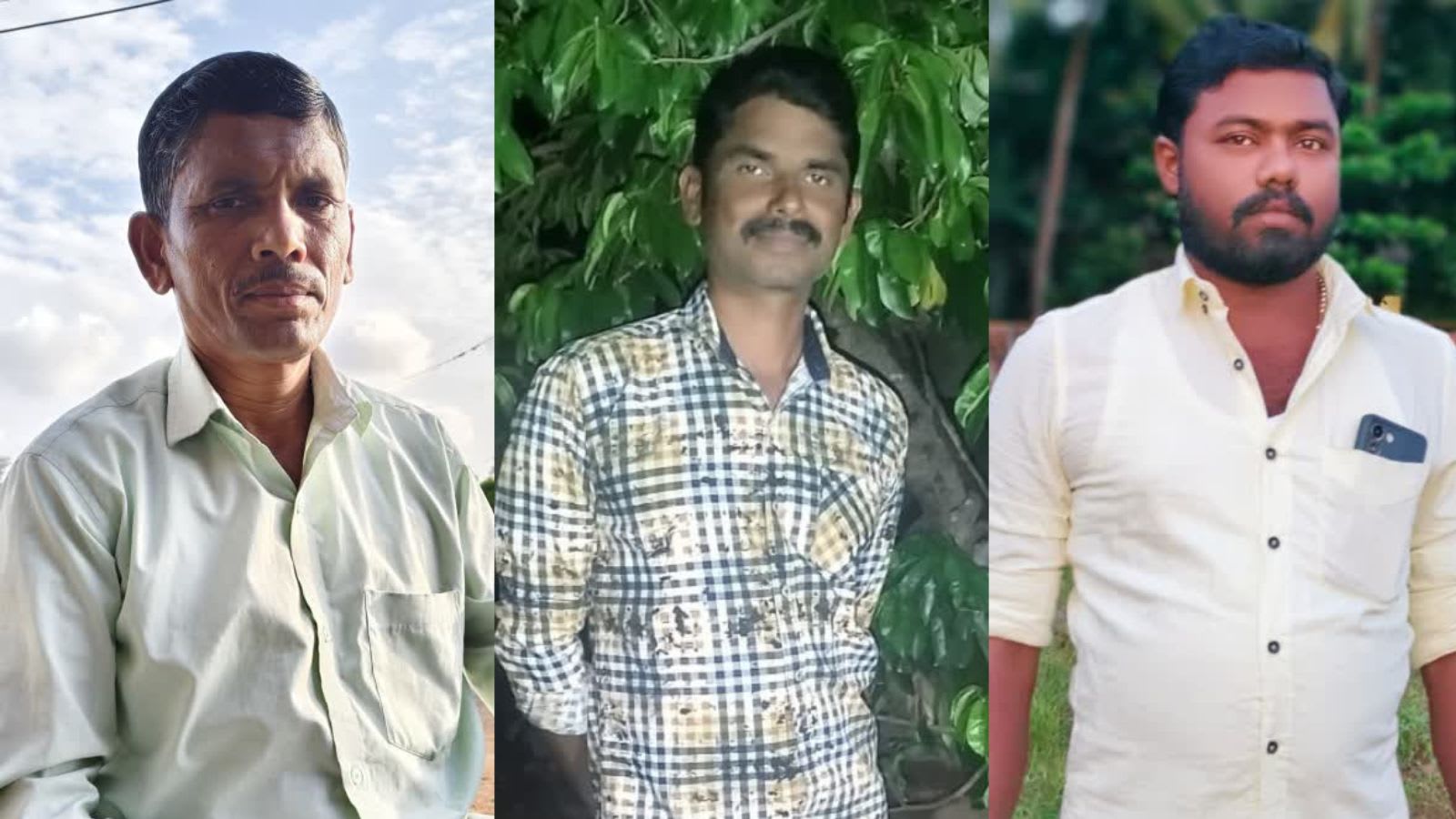
In Karnataka, the focus has shifted to the Hanur forest in Chamarajanagar, where the Karnataka State Human Rights Commission (KSHRC) is investigating the deaths of three men during an alleged encounter with forest officials. While the government maintains that the victims were poachers who refused to surrender, the incident sparked significant public unrest and protests. The KSHRC's site inspection is a critical step in determining whether the use of force was proportional or if it violated human rights standards.
Broader Implications and Future Trends
These three distinct yet related cases reveal a recurring pattern: the marginalization of vulnerable groups in the pursuit of national interests—be it resource extraction or biodiversity preservation. The future of these regions depends heavily on the transparency of these judicial and administrative inquiries. If these committees fail to hold authorities accountable, it may lead to further erosion of trust between the state and tribal populations, potentially exacerbating civil unrest.
Conclusion
Ultimately, the path forward requires a shift from top-down governance to inclusive policy-making that respects the Forest Rights Act and indigenous knowledge. As courts continue to act as a check on executive power, the findings from the Sijimali, Satkosia, and Hanur inquiries will likely set legal precedents for how India manages the intersection of industrial growth, environmental protection, and human rights in its most remote regions.