Delhi high court judge, later Manipur CJ, had LPG agency during tenure
Source Entity
DHANANJAY MAHAPATRA
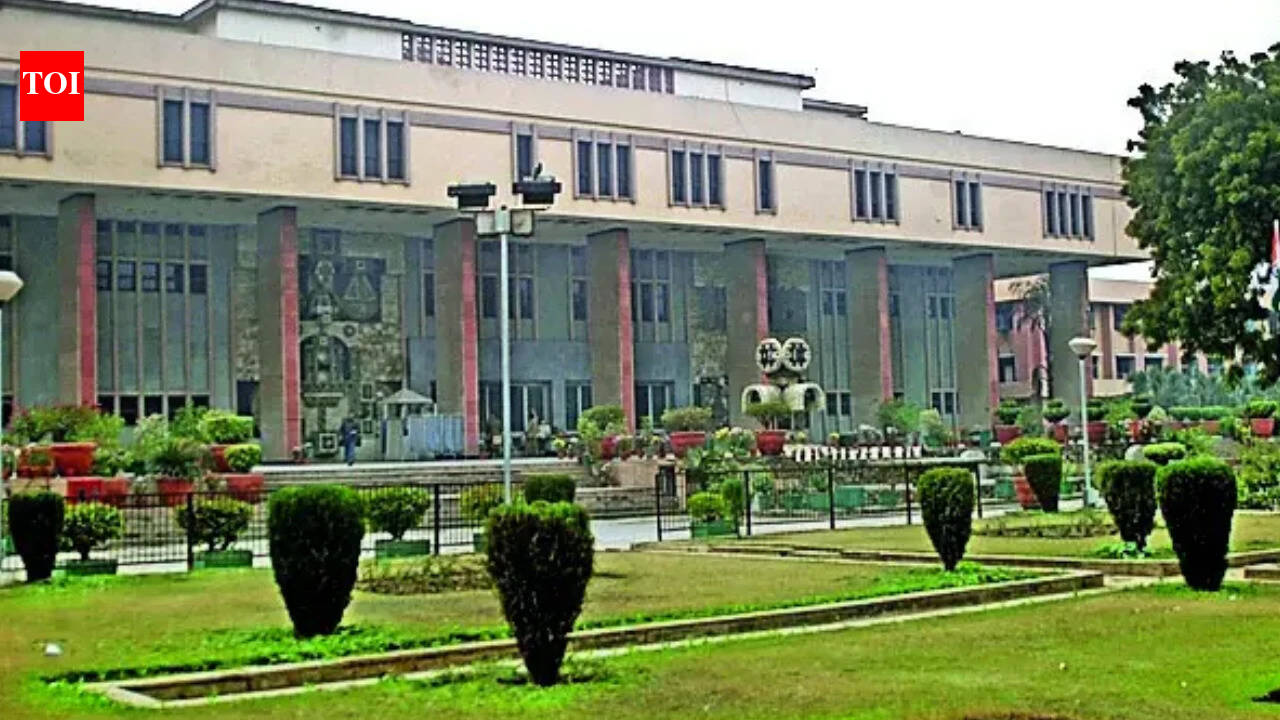
Justice Siddharth Mridul, a former judge of the Delhi High Court and former Chief Justice of Manipur, is embroiled in a controversy for allegedly operating an LPG distributorship during his judicial tenure, leading to a suspension of the agency by BPCL.
Judicial Ethics Under Scrutiny: The Case of Justice Siddharth Mridul
The Indian judiciary is built upon the bedrock of impartiality, neutrality, and a strict separation from commercial interests to ensure that justice is not only done but is seen to be done. The recent revelations concerning Justice Siddharth Mridul, who served as a judge of the Delhi High Court and subsequently as the Chief Justice of Manipur, have cast a shadow over these principles. The core of the controversy lies in the allegation that Justice Mridul operated an LPG distributorship during his active tenure in the judiciary, a move that fundamentally clashes with the established codes of conduct for judicial officers.
The Conflict of Interest and Ethical Violations
At the heart of this issue is the "Restatement of Values of Judicial Life," which mandates that judges must avoid any activity that could lead to a conflict of interest or create a perception of bias. Operating a commercial enterprise, particularly an LPG agency which involves significant logistical operations, government contracts, and public dealing, is viewed as a direct violation of these ethical standards. For a sitting judge to engage in profit-making business activities suggests a duality of interest that could potentially influence judicial decision-making or, at the very least, compromise the perceived integrity of the court.
The Role of BPCL and Contractual Breaches
The involvement of Bharat Petroleum Corporation Limited (BPCL), a state-owned oil marketing company, adds a layer of administrative gravity to the situation. BPCL reportedly issued notices regarding contract violations, indicating that the terms of the LPG dealership were breached. The eventual suspension of the agency by the PSU highlights that the violation was not merely a matter of internal judicial ethics but also a breach of the commercial agreement between the distributor and the corporation. This intersection between a high-ranking judicial official and a public sector undertaking (PSU) underscores the potential for systemic overlap that judicial conduct rules are specifically designed to prevent.
Implications for Judicial Independence and Public Trust
This incident raises critical questions about the oversight mechanisms within the Indian judiciary. When a judge, especially one who has ascended to the position of Chief Justice of a state, is alleged to have maintained a business interest, it prompts a discussion on how such activities go unnoticed or unaddressed during the tenure. The public's trust in the judiciary relies on the belief that judges are detached from the mundane pressures and incentives of the commercial world. Such allegations can erode that trust, leading to skepticism regarding the objectivity of the rulings passed by the concerned official.
Historical Context and the Standard of Conduct
Historically, the Indian judiciary has maintained a high bar for the personal and professional conduct of its members. While judges are permitted to manage their own estates or ancestral properties, active participation in a trade or business is strictly prohibited. This tradition ensures that judges remain insulated from the influence of business lobbies and the complexities of commercial disputes. The case of Justice Mridul serves as a stark reminder of the necessity of these rules in an era where the lines between public service and private enterprise can sometimes become blurred.
Future Trends and the Need for Transparency
Moving forward, this controversy is likely to fuel demands for greater transparency regarding the assets and interests of members of the higher judiciary. There may be calls for a more robust and periodic disclosure system to ensure that no sitting judge is engaged in activities that conflict with their judicial duties. As the judiciary continues to face scrutiny over appointments and conduct, the implementation of a formal, transparent mechanism for monitoring judicial ethics will be essential to preserve the sanctity of the courts.
Conclusion
The allegations against Justice Siddharth Mridul regarding the operation of an LPG agency during his judicial service represent a significant breach of the expected standards of judicial conduct. The subsequent intervention by BPCL and the suspension of the dealership highlight the tangible consequences of such ethical lapses. Ultimately, this event emphasizes the critical need for absolute adherence to judicial codes of conduct to maintain the integrity and independence of the legal system in India.