Kudankulam nuclear plant data breached, NPCIL says core systems untouched
Source Entity
SURENDRA SINGH
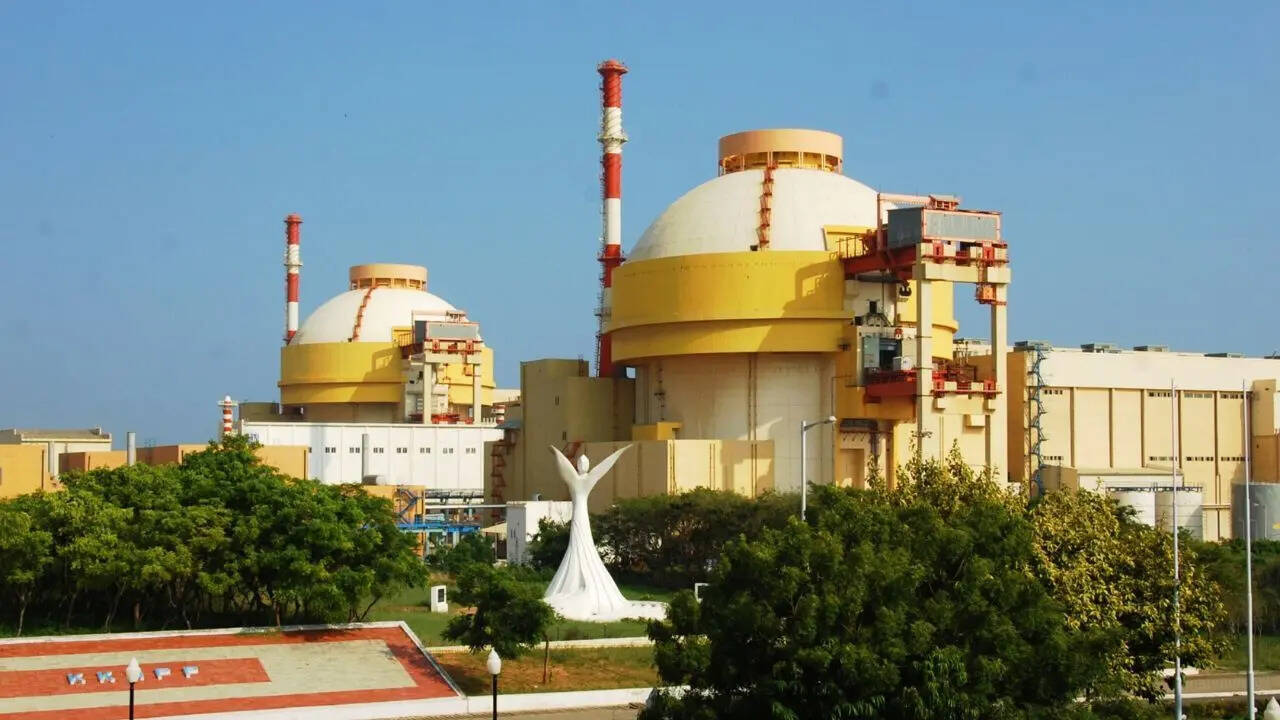
The Nuclear Power Corporation of India (NPCIL) has confirmed that core safety and security systems at the Kudankulam nuclear plant remain untouched following a data breach. A ransomware group leaked files obtained from a third-party provider's server, specifically involving conventional balance of plant common service facilities, rather than critical reactor controls.
Analysis of the Kudankulam Nuclear Plant Data Breach
In a significant development highlighting the vulnerability of critical infrastructure, the Nuclear Power Corporation of India (NPCIL) recently addressed a cyber incident involving the Kudankulam nuclear power plant. A ransomware group claimed to have breached the facility's data, subsequently posting leaked files online to exert pressure or gain notoriety. While the announcement initially sparked concerns regarding the safety of one of India's most vital energy installations, NPCIL has moved quickly to clarify that the core systems—the most sensitive components of the plant—remain entirely secure and untouched.
The Anatomy of a Supply Chain Vulnerability
The investigation into the breach reveals a classic example of a supply chain attack. The breach did not occur through a direct penetration of NPCIL's internal secure networks but rather through a third-party provider's server, which was confirmed by the Reliance Group. In modern industrial operations, critical facilities rely on a vast ecosystem of vendors for maintenance, logistics, and auxiliary services. These third-party entities often possess a degree of access to operational data, creating a "weak link" that cybercriminals can exploit to bypass the stringent security perimeters of the primary organization. In this instance, the attackers targeted the vendor, leveraging their access to extract files related to the plant's support systems.
Distinguishing Core Systems from 'Balance of Plant'
A critical point of technical distinction in this event is the nature of the leaked data. NPCIL specified that the breach involved "conventional balance of plant (BoP) common service facilities." In nuclear engineering, the 'Balance of Plant' refers to all the supporting components and auxiliary systems required to operate the reactor, such as water treatment plants, cooling towers, and electrical switchyards, but excluding the nuclear steam supply system (the reactor core itself). Because the leaked information pertains to these conventional services rather than the reactor's control rods, safety protocols, or containment systems, the immediate risk of a catastrophic nuclear event or a safety failure is negligible.
Broader Implications for Critical National Infrastructure (CNI)
Despite the lack of direct impact on nuclear safety, this incident serves as a stark warning regarding the security of Critical National Infrastructure (CNI). The targeting of a nuclear facility—even on the periphery—indicates a growing appetite among ransomware groups to target high-stakes environments to maximize their leverage. This event underscores the reality that "air-gapping" (physically isolating a network from the internet) the core reactor controls is no longer sufficient if the administrative and auxiliary support networks are permeable. The psychological impact of a breach at a nuclear site can lead to public anxiety, regardless of whether the actual physical safety of the plant was compromised.
Historical Context and the Evolution of Cyber Threats
Historically, cyberattacks on industrial control systems (ICS) have evolved from simple data theft to sophisticated sabotage, as seen in global precedents like Stuxnet. While the Kudankulam incident appears to be a financially or reputationally motivated ransomware attack rather than an act of state-sponsored sabotage, it follows a global trend of increasing threats against energy grids and power plants. India's expanding nuclear footprint, aimed at meeting growing energy demands, necessitates a parallel expansion in cybersecurity capabilities. The reliance on external vendors for technical support, as seen with the Reliance Group's involvement here, creates a persistent surface area for attacks that must be managed with extreme rigor.
Future Trends in Infrastructure Defense
Moving forward, this incident is likely to trigger a shift toward a "Zero Trust" architecture within NPCIL and other strategic sectors in India. This approach assumes that no entity—internal or external—is trusted by default, requiring continuous verification for every access request. We can expect to see more stringent cybersecurity auditing for third-party contractors and the implementation of more robust encryption for all data shared between vendors and the state. Furthermore, there will likely be a push for more integrated threat intelligence sharing between the government and private sector partners to identify and neutralize ransomware threats before they penetrate the supply chain.
Conclusion
In summary, while the data breach at the Kudankulam nuclear plant did not compromise the safety or the core operational integrity of the facility, it exposed a critical vulnerability in the third-party service ecosystem. The distinction between the 'Balance of Plant' and core safety systems prevented this incident from becoming a crisis, but the event serves as a vital wake-up call. Ensuring the resilience of India's nuclear energy sector now requires not only physical security and engineering excellence but also a sophisticated, holistic approach to cybersecurity that extends beyond the plant's walls to every vendor and partner in the supply chain.