Panchang Today, July 16, 2026: Shukla Dwitiya under Ashlesha Nakshatra
Source Entity
Latest News: Today's Latest News Headlines from India & World | Hindustan Times | Hindustan Times
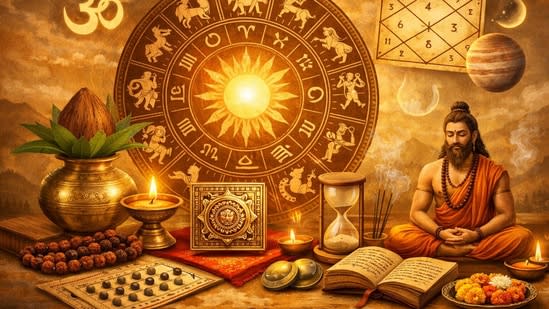
Detailed astrological guidance for July 16, 2026, featuring the Shukla Dwitiya tithi and Ashlesha Nakshatra, providing insights into auspicious timings and planetary transits for the day.
Analysis of the Vedic Calendar: July 16, 2026
The announcement of the Panchang for July 16, 2026, serves as a critical temporal guide for those adhering to the Vedic astrological system. The Panchang, which translates to 'five limbs,' is a traditional Hindu calendar used to determine the most auspicious times for various activities. By detailing the tithi, nakshatra, yoga, and planetary transits, this specific report provides a cosmic blueprint for the day, allowing practitioners to align their personal and professional endeavors with the perceived movements of celestial bodies.
The Significance of Shukla Dwitiya
On July 16, 2026, the lunar day is identified as Shukla Dwitiya. The 'Shukla Paksha' refers to the waxing phase of the moon, a period generally associated with growth, increasing energy, and the manifestation of desires. 'Dwitiya' represents the second day of this lunar fortnight. In Vedic tradition, the early days of the waxing moon are often seen as favorable for starting new ventures or initiating projects, as the growing light of the moon symbolizes the expansion of consciousness and success. This specific tithi suggests a day of budding potential and positive momentum.
Understanding Ashlesha Nakshatra
The alignment of this day under the Ashlesha Nakshatra adds a layer of complexity to the day's energy. Ashlesha, often symbolized by the serpent, is known as the 'clinging star.' In astrological terms, this nakshatra is associated with intensity, intuition, and sometimes a tendency toward manipulation or secrecy. Unlike the general positivity of the Shukla Paksha, Ashlesha can bring a more penetrating and analytical energy. For the individual, this suggests a day where deep introspection and the uncovering of hidden truths are more likely than superficial interactions.
The Synergy of Tithi and Nakshatra
When analyzing the intersection of Shukla Dwitiya and Ashlesha Nakshatra, a unique spiritual duality emerges. While the tithi encourages growth and new beginnings, the nakshatra demands caution and strategic thinking. This combination implies that while the window for progress is open, success on July 16, 2026, will likely depend on one's ability to navigate complex social dynamics and exercise discernment. It is a day where the 'growth' promised by the waxing moon must be tempered by the 'wisdom' and 'caution' associated with the serpent energy of Ashlesha.
Practical Implications of Auspicious Timings
The report explicitly mentions the inclusion of auspicious and inauspicious timings, known as Muhurat and Rahu Kaal. In the context of Indian socio-cultural practices, these timings are not merely suggestions but are often treated as essential parameters for decision-making. For instance, business contracts, wedding arrangements, or the purchase of property are typically scheduled during 'Shubh' (auspicious) windows to mitigate risk and invite prosperity. Conversely, the inauspicious windows are avoided to prevent conflict or failure, highlighting the deep-rooted belief in the influence of planetary transits on human destiny.
Conclusion and Future Trends
In summary, the Panchang for July 16, 2026, presents a day of growth tempered by intensity. The transition toward a more digitalized consumption of these astrological guides indicates a growing trend where ancient Vedic wisdom is being integrated into modern scheduling and productivity apps. As people continue to seek holistic ways to manage stress and time, the reliance on the Panchang for mental and spiritual alignment is expected to persist, bridging the gap between traditional lunar observations and contemporary lifestyle management.
Verification Required?