Justine Pissott stands with Cornell ‘rape’ survivor, reveals her own sexual assault story, ‘It hits a place in me’
Source Entity
Latest News: Todays Latest News Headlines from India & World | Hindustan Times | Hindustan Times
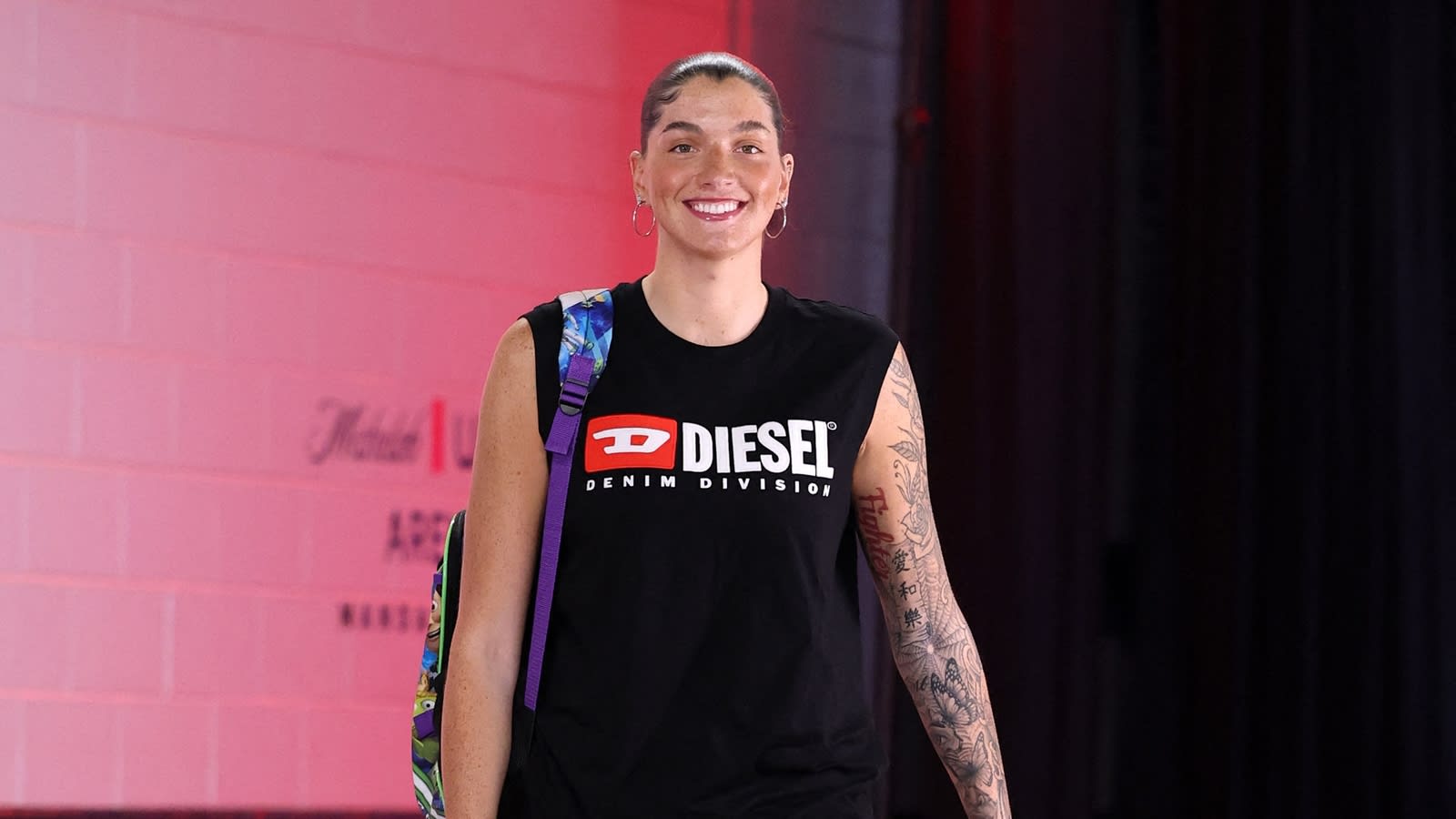
WNBA player Justine Pissott has publicly supported a Cornell University sexual assault survivor while disclosing her own personal history of assault. The move highlights growing public pressure on Cornell regarding its handling of allegations against seven former fraternity members.
A Stand for Justice: Justine Pissott’s Public Advocacy
In a significant display of solidarity, Las Vegas Aces guard Justine Pissott has publicly aligned herself with a survivor of an alleged sexual assault at Cornell University. The incident, which involves accusations against seven former members of the Chi Phi fraternity, centers on claims of drugging and gang rape occurring in 2024. By using her platform as a professional athlete to amplify the survivor's voice, Pissott has thrust the university's institutional response into the national spotlight.
Personal Vulnerability as a Catalyst for Change
What makes Pissott’s intervention particularly poignant is her own admission of being a sexual assault survivor. In a series of Instagram Stories, the former Tennessee and Vanderbilt collegiate athlete noted that the Cornell case “hits a place in me,” prompting her to share her own traumatic history. This act of vulnerability is not merely a personal disclosure; it serves to normalize the conversation around sexual violence in elite environments, bridging the gap between professional sports culture and the broader crisis of campus safety.
The Cornell University Controversy
At the heart of this narrative is the growing public outrage directed at Cornell University. The legal action initiated by the unnamed plaintiff against both the university and the former fraternity members suggests deep-seated systemic failures in how educational institutions handle allegations of sexual misconduct. Critics argue that the university's institutional response has been insufficient, necessitating the kind of external pressure now being applied by high-profile figures like Pissott.
The Intersection of Athletics and Social Responsibility
Historically, athletes have often been hesitant to engage with controversial legal or social issues for fear of career repercussions. However, Pissott’s actions signal a shifting trend among younger WNBA players who are increasingly leveraging their visibility to demand accountability. By speaking out, Pissott is moving beyond the role of an athlete, positioning herself as a vocal advocate for survivors’ rights and the necessity of due process in campus investigations.
Broader Implications and Future Trends
This incident is likely to catalyze further scrutiny of fraternity culture and university disciplinary protocols across the United States. When a professional athlete addresses these issues, it forces institutions to confront the public relations and ethical consequences of their inaction. We can expect to see a sustained push for transparency in how universities manage Title IX cases and fraternity-related misconduct in the coming months.
Conclusion: A Call for Institutional Accountability
Ultimately, the convergence of Pissott’s personal story and the legal battle at Cornell underscores a critical moment for campus safety reform. As the legal proceedings against the former Chi Phi members move forward, the support from influential figures ensures that the case remains a priority for the public. The demand for justice is clear: survivors deserve not only to be heard but to have their experiences met with genuine institutional reform.
Verification Required?