Karan Johar feels ‘people who can’t communicate think everything’s an argument’: What experts say
Source Entity
The Indian Express
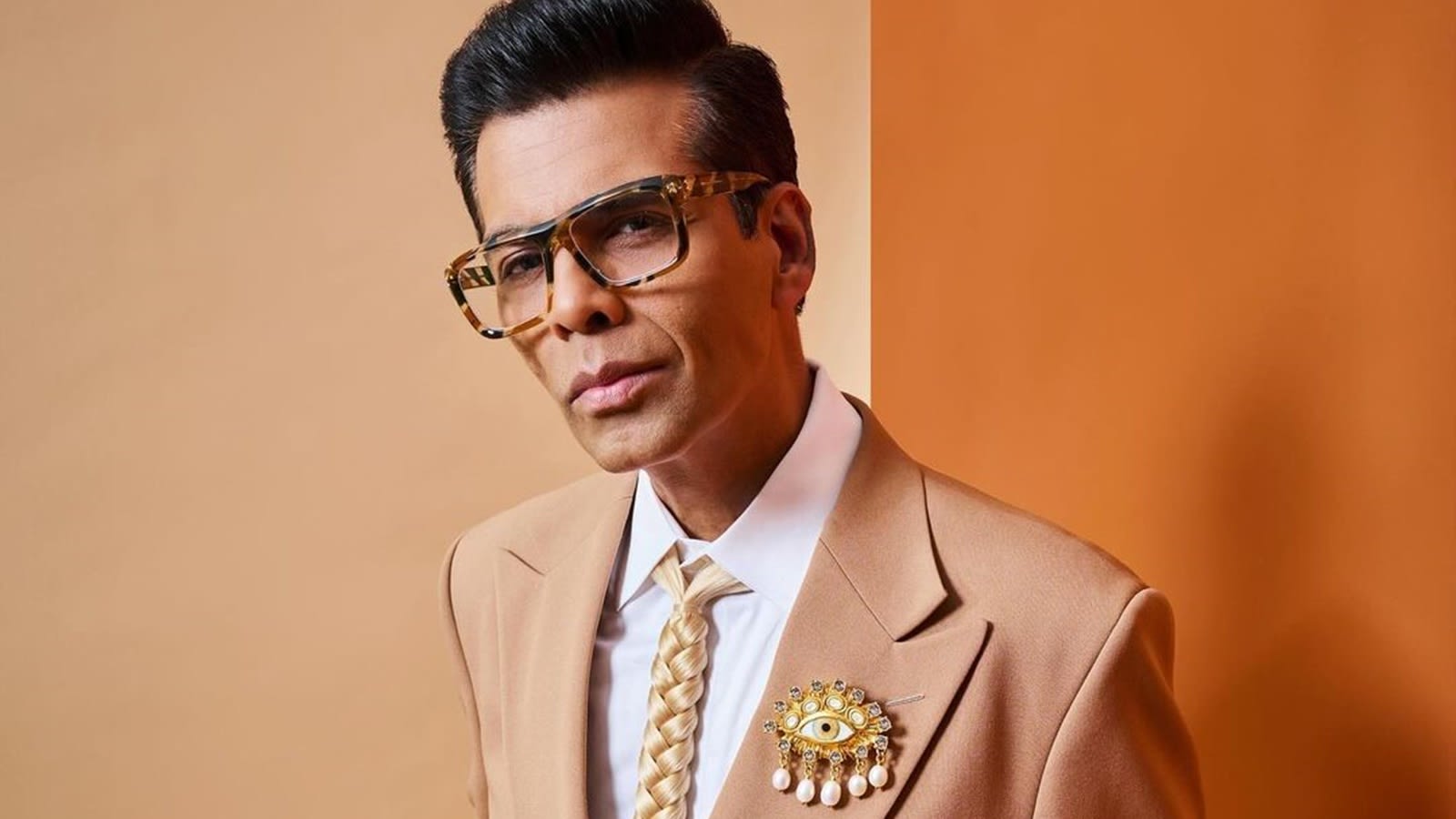
Filmmaker Karan Johar recently highlighted the critical role of communication in relationships, noting that poor communicators often mistake dialogue for conflict. Experts suggest that effective communication is a foundational element of social psychology and relationship maintenance.
The Intersection of Communication and Conflict
Bollywood filmmaker Karan Johar recently brought a poignant observation to the public eye, noting that, “People who can’t communicate think everything’s an argument.” In the context of modern interpersonal dynamics, this statement serves as a critique of how misaligned communication styles can lead to unnecessary friction. When individuals lack the tools to express their needs, wants, or opinions clearly, they often default to defensive posturing, which the other party frequently perceives as hostility or argumentative behavior.
The Psychology of Social Interaction
Psychologists emphasize that the architecture of any healthy relationship—be it professional or personal—relies on a tripartite foundation: physical proximity, shared goals, and the clear transmission of needs. According to Ashutosh Tiwari, a psychologist at MindGlass Well-being, the failure to communicate effectively disrupts this balance. When a message is sent but not properly decoded by the recipient, the gap is often filled with assumptions, which frequently spiral into conflict.
Defining 'Bad Communication'
What constitutes 'bad communication' is often misunderstood. It is not merely the absence of speech, but the presence of distorted messaging. When individuals are unable to articulate their internal state, they may use non-verbal cues or aggressive language to compensate for their lack of clarity. This creates a cycle where the recipient feels attacked, leading to a defensive response that validates the original sender’s feeling that they are being 'argued' with, despite the conflict originating from a failure of expression rather than a difference of opinion.
Building Better Relational Foundations
Improving communication skills is an active process that requires self-reflection and a willingness to be vulnerable. Experts suggest that moving away from defensive communication involves a conscious effort to identify one's own needs before attempting to express them. By focusing on the 'recipient' side of the equation—ensuring the message is interpreted as intended—individuals can prevent the common misinterpretation of dialogue as confrontation.
Future Trends in Emotional Intelligence
As public discourse continues to shift toward mental health awareness, the focus on communication styles is becoming increasingly prevalent in mainstream media. Figures like Karan Johar leveraging their platforms to discuss emotional intelligence marks a positive trend. In the future, we can expect a greater emphasis on soft-skills training and psychological literacy, as society recognizes that the ability to communicate is not just a social grace, but a fundamental prerequisite for personal and professional stability.