Caste survey report figures in discussion on Devaraja Urs
Source Entity
India Latest News: Top National Headlines Today & Breaking News | The Hindu
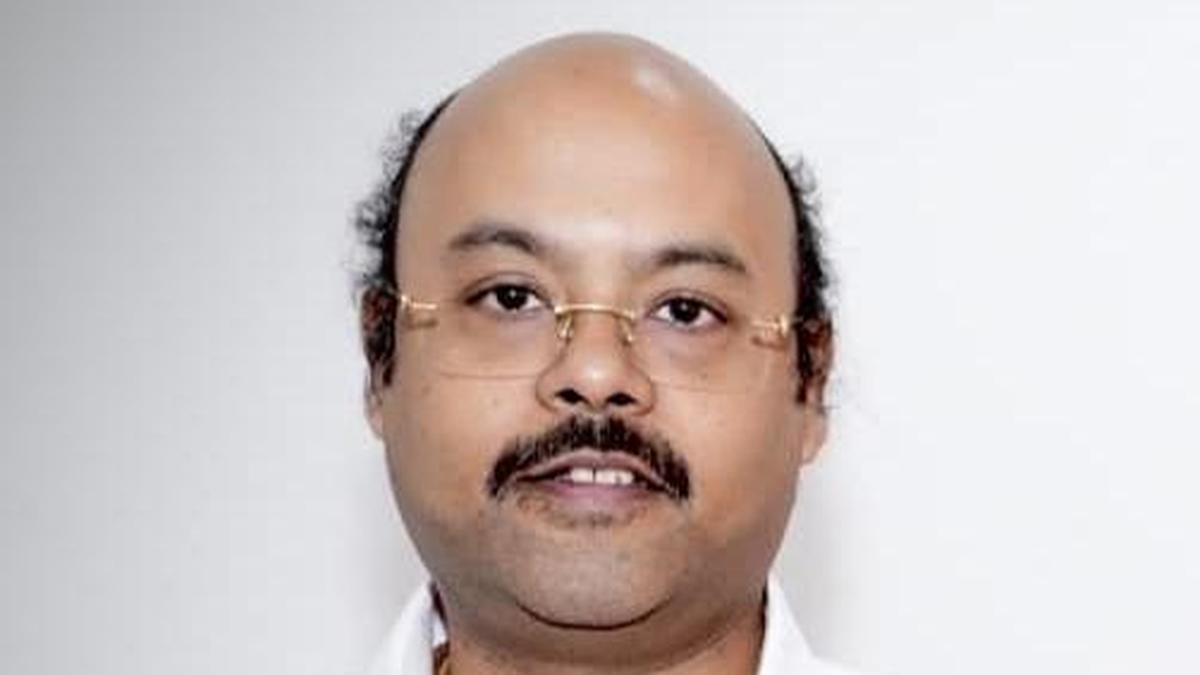
Karnataka lawmakers recently held a rare, bipartisan discussion honoring former CM D. Devaraja Urs while debating the implementation of the state's caste census. The discourse highlighted the political friction and historical efforts surrounding the socio-economic survey commissioned for backward classes.
The Legacy of D. Devaraja Urs and the Caste Census Debate
In a rare display of legislative harmony, members of the Karnataka Upper House recently set aside partisan differences to pay tribute to the late Chief Minister D. Devaraja Urs. This session, which has been noted for its smooth conduct, served as a poignant backdrop for a deeper political conversation regarding the socio-economic survey, commonly referred to as the caste census. The invocation of Urs—a figure historically synonymous with social justice movements in Karnataka—provided a thematic framework for legislators to discuss the contemporary relevance of data-driven policy for marginalized communities.
The Evolution of the Socio-Economic Survey
During the proceedings, Urban Development Minister Yathindra Siddaramaiah provided crucial context regarding the trajectory of the caste census. He specifically highlighted the contributions of former Chief Minister Siddaramaiah, whose administration took the significant step of commissioning a survey under the H. Kantharaj Commission. The narrative surrounding this report has been complex; the initial findings were set aside, and the subsequent path toward acceptance involved the Madhusudhan Naik Commission, whose report was formally accepted only in the final hours of the previous administration's tenure. This history underscores the administrative and political hurdles inherent in quantifying social stratification.
Bipartisan Pressure for Implementation
Perhaps the most notable aspect of the recent discussion was the emergence of cross-party interest in the report's implementation. BJP legislator N. Ravikumar explicitly urged the government to act upon the findings of the commission’s latest report. The fact that an opposition member is pressing for the utilization of this data suggests that the demand for transparency regarding the backward classes' socio-economic status is becoming a potent, non-partisan issue within the state legislature. The mention of the substantial financial investment—reaching several hundred crores—involved in these studies emphasizes the scale and seriousness of the undertaking.
Implications for Social Welfare Policy
The debate in the Upper House signals a potential shift in how Karnataka approaches affirmative action and welfare distribution. By linking the legacy of D. Devaraja Urs to the current census data, lawmakers are framing the implementation of the report not merely as a bureaucratic requirement, but as a continuation of a long-standing commitment to social justice. The data contained within the caste census is viewed as the essential blueprint for targeting resources toward those who remain on the periphery of the state's economic development.
Future Trends and Legislative Outlook
Looking ahead, the pressure to operationalize the findings of the caste census is likely to intensify. As the government faces calls to act on the report, the legislative focus will likely transition from debates over the validity of the survey to discussions on how to translate the findings into actionable policy. Given the historical significance of the caste census in Karnataka's political landscape, the government's next moves will be closely scrutinized by stakeholders across the social spectrum. The rare bipartisanship displayed in the Upper House may serve as a foundational moment for a more collaborative approach to addressing the socio-economic disparities highlighted by the study.
Verification Required?