Karnataka draft apartment Bill: What could change for flat owners, builders, housing societies
Source Entity
Kiran Parashar
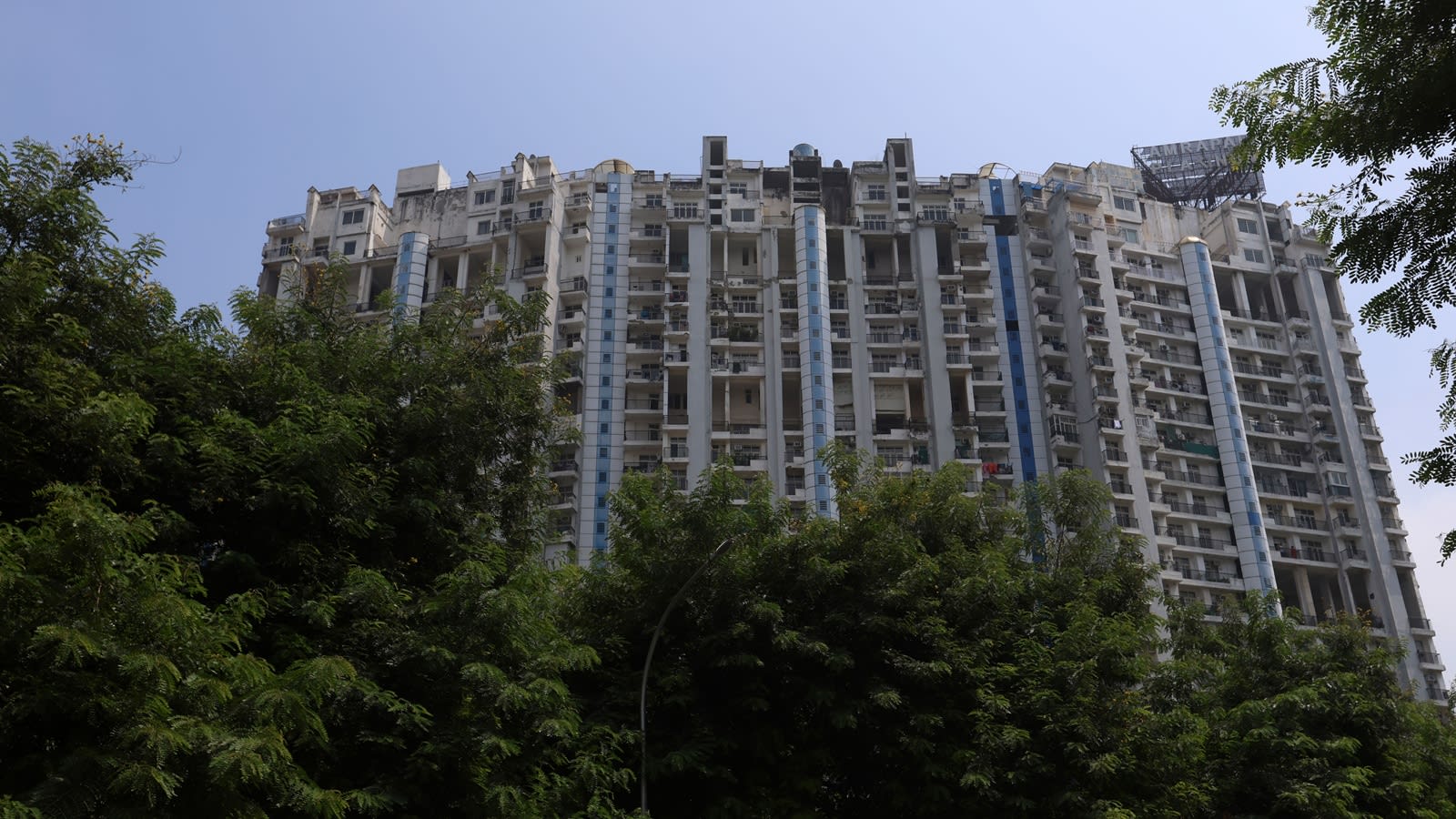
The Karnataka government has proposed a draft apartment Bill designed to overhaul the governance of housing societies, standardize the calculation of maintenance charges, and create a clearer legal framework for the redevelopment of aging apartment complexes.
Analyzing the Karnataka Draft Apartment Bill: A Paradigm Shift in Urban Living
Karnataka is poised to introduce significant legislative changes to the way apartment complexes are managed and maintained. The proposed draft apartment Bill seeks to address long-standing ambiguities in the governance of housing societies, which have historically been managed under a fragmented mix of the Karnataka Apartment Ownership Act of 1972 and the Societies Registration Act. By introducing a more comprehensive and modernized framework, the state government aims to reduce litigation between homeowners and builders while ensuring a more sustainable approach to urban residential management.
Streamlining Governance and Accountability
One of the primary pillars of the draft Bill is the restructuring of how Apartment Owners Associations (AOAs) are governed. For years, many housing societies in Karnataka have struggled with a lack of transparency in fund management and the arbitrary exercise of power by elected committee members. The new Bill is expected to mandate stricter auditing processes and standardized operational guidelines. By formalizing the duties and liabilities of association members, the legislation aims to protect individual homeowners from mismanagement and ensure that the collective interests of the community are prioritized over the whims of a few influential residents or the developers.
Resolving the Maintenance Charge Conflict
Maintenance fee disputes are among the most common sources of friction in multi-story residential complexes. The draft Bill intends to provide a clearer methodology for calculating these charges, potentially resolving the perennial debate between 'per square foot' billing versus 'equal share' billing. Such a move is critical because maintenance costs often fluctuate based on the amenities used, yet the lack of a standardized legal benchmark often leads to disputes that clog the consumer courts. By codifying these calculations, the government provides a predictable financial blueprint for both the owners and the managing bodies, thereby enhancing financial stability within the societies.
Facilitating Urban Renewal through Redevelopment
Perhaps the most impactful aspect of the draft Bill is its approach to the redevelopment of aging buildings. In densely populated urban centers like Bengaluru, many apartment complexes built several decades ago have reached the end of their structural life. However, redevelopment has historically been stalled by the requirement for unanimous consent from all owners, where a single holdout could block a project. The proposed Bill is expected to introduce a more flexible consent threshold (such as a majority percentage), allowing the majority of owners to proceed with redevelopment while ensuring fair compensation or relocation for the minority. This is a vital step toward urban renewal, preventing the decay of residential pockets and optimizing land use in growing cities.
Addressing the Builder-to-Owner Transition
Another critical area the Bill addresses is the often-contentious handover process from the builder to the owners' association. Many homeowners in Karnataka have faced scenarios where builders refuse to hand over the 'corpus fund' or the original sanctioned plans of the building. The draft Bill seeks to enforce a timely and transparent handover mechanism, ensuring that builders cannot indefinitely control the maintenance of a property after the sale. This transition is essential for the long-term health of the building, as it empowers owners to take full control of their assets and hold builders accountable for construction defects.
Conclusion: Future Implications for Real Estate
In summary, the Karnataka draft apartment Bill represents a necessary evolution in the state's real estate regulatory landscape. By tackling the trifecta of governance, maintenance, and redevelopment, the government is not just solving current disputes but is preparing the state for the future of high-density urban living. If implemented effectively, this Bill will likely increase the market value of well-managed societies and encourage more sustainable investment in the residential sector. It signals a shift toward a more consumer-centric approach to housing, where the rights of the flat owner are balanced with the practical needs of urban infrastructure management.