‘Drunk drivers pose risk to society’: Karnataka High Court cuts crash compensation by 30%
Source Entity
Mustafa Plumber
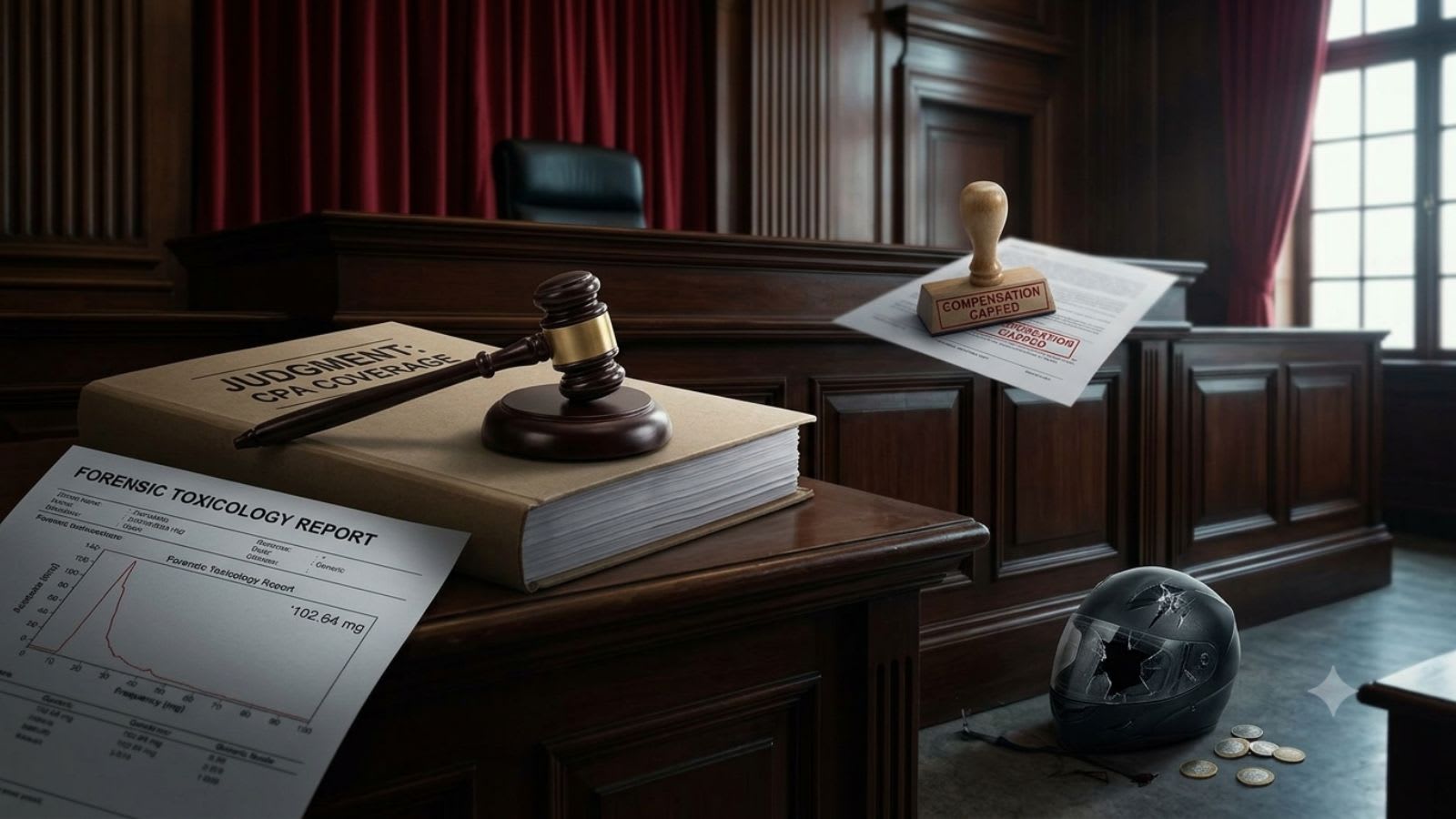
The Karnataka High Court has ruled that drunk drivers are partially responsible for their accidents, reducing their compensation claims by 30%. This verdict emphasizes that intoxicated driving endangers public safety and limits the protection offered by traffic laws.
Karnataka High Court Sets Precedent on Drunk Driving Liability
In a significant judicial development, the Karnataka High Court has issued a stern ruling regarding the legal consequences of drunk driving. The court underscored that individuals who operate vehicles under the influence of alcohol pose a severe threat not only to their own safety but also to the lives of other road users and the general public. By framing drunk driving as a systemic risk to society, the court has signaled a shift toward greater accountability for motorists who violate traffic safety norms.
The Mechanics of Contributory Negligence
The core of this ruling lies in the application of the principle of 'contributory negligence.' When an individual is found to be intoxicated while operating a vehicle, the court has determined that they cannot be considered a passive victim in the event of an accident. By attributing 30 percent of the negligence to the intoxicated motorcyclist, the High Court has effectively modified the original award granted by the Motor Accidents Claim Tribunal (MACT). This decision serves as a legal mechanism to penalize reckless behavior, even within the framework of benevolent traffic laws designed to protect road accident victims.
Impact on Insurance Claims
This verdict carries profound implications for insurance jurisprudence in India. Traditionally, motor vehicle accident claims have focused on the liability of the offending party and the damages suffered by the victim. However, this ruling clarifies that the state of the victim—if they are driving under the influence—is a material factor in determining compensation. It establishes a precedent that insurance claims are not absolute and can be curtailed when the claimant's own actions significantly contribute to the hazard.
Strengthening Road Safety Norms
The Karnataka High Court’s emphasis on strict treatment for drunk driving cases reflects a broader judicial push to improve road discipline. By reducing compensation by 30 percent, the court is creating a financial deterrent against driving while intoxicated. This move aligns with the spirit of the Motor Vehicles Act, which seeks to prioritize public safety over the individual entitlement of a negligent driver to claim full damages.
Future Implications for Traffic Litigation
Looking ahead, this judgment is likely to serve as a cornerstone for future litigation involving the Motor Accidents Claim Tribunal. Legal practitioners and insurance companies will now have a clearer mandate to investigate the sobriety of claimants as a standard part of accident evaluations. As the judiciary continues to prioritize the safety of the 'public at large,' we can expect a more rigorous application of contributory negligence, potentially leading to a cultural shift in how personal responsibility is viewed on Indian roads.