Reservation cannot be proportionate to population of castes, says Karnataka High Court
Source Entity
India Latest News: Top National Headlines Today & Breaking News | The Hindu
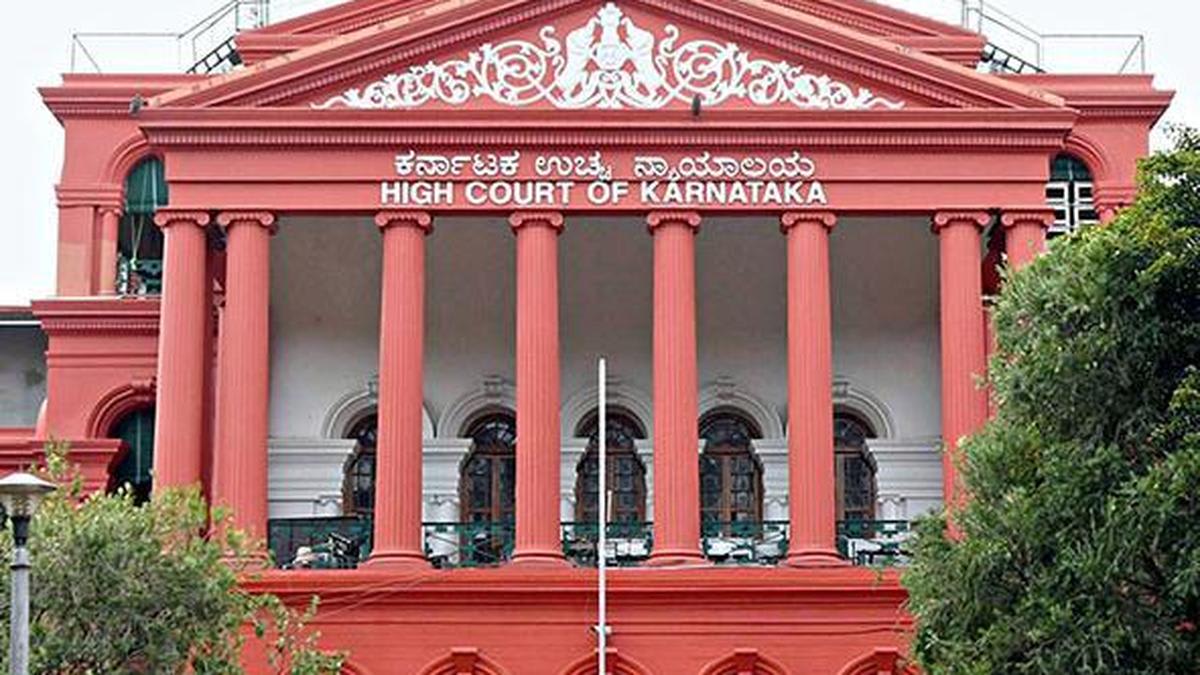
The Karnataka High Court has struck down a 2022 law that increased SC/ST reservation quotas beyond the 50% constitutional ceiling. The court ruled the act unconstitutional, citing violations of Articles 14 and 15, marking a significant legal setback for the state.
Karnataka High Court Strikes Down SC/ST Quota Hike
In a landmark legal development, the Karnataka High Court has declared the state's 2022 legislation aimed at increasing reservation quotas for Scheduled Castes (SCs) and Scheduled Tribes (STs) as unconstitutional. A Division Bench, led by Chief Justice Vibhu Bakhru and Justice K.S. Hemalekha, ruled that Sections 3 and 4 of the Karnataka Scheduled Castes and Scheduled Tribes (Reservation of Seats in Educational Institutions and of Appointments or Posts in the Services under the State) Act, 2022, were ultra vires the Constitution. This decision effectively invalidates the effort to push total reservations in the state beyond the long-standing 50% limit.
The Legal Basis for the Ruling
The court's decision centers on the principle that the 50% ceiling on total reservations is a binding constitutional mandate. By exceeding this threshold, the court determined that the state government violated Articles 14 and 15 of the Constitution, which guarantee equality before the law and prohibit discrimination. The judiciary maintained that while affirmative action is a cornerstone of Indian policy, it must operate within established legal boundaries that prevent the complete erosion of the merit-based open category, thereby ensuring a balance between social justice and constitutional equality.
Origins of the Legislation
The contested Act was introduced during the tenure of the previous BJP government under former Chief Minister Basavaraj Bommai. Enacted with retrospective effect from November 1, 2022, the law was intended to address long-standing demands for increased representation for marginalized communities. By elevating the quota to 56%, the government sought to expand access to educational and employment opportunities. However, this move faced immediate legal scrutiny, as it directly challenged the precedent set by the Supreme Court regarding the reservation cap.
Political and Social Implications
The ruling has triggered significant political discourse, with former Chief Minister Siddaramaiah describing the court’s decision as a "serious setback" for the cause of social justice. The invalidation of the 56% quota highlights the ongoing tension between state-level populist policy-making and the rigid constraints of the constitutional framework. For the affected communities, the court's intervention represents a frustration of their aspirations for increased representation, while for the state government, it presents a complex challenge regarding how to proceed with social welfare programs without inviting further litigation.
Future Trends and Judicial Precedent
Looking ahead, this verdict reinforces the judiciary's adherence to the 50% ceiling established in various landmark Supreme Court judgments. As states continue to grapple with demands for quota increases—often linked to political mobilization and census-related data—this ruling serves as a stark reminder that legislative intent must align with constitutional interpretation. The state government now faces the difficult task of either challenging this decision in the Supreme Court or revisiting their social welfare strategy to find mechanisms that support SC/ST inclusion without violating the established constitutional ceiling.
Conclusion
Ultimately, the Karnataka High Court's ruling underscores the supremacy of the Constitution in governing state actions. By striking down the 2022 Act, the court has reaffirmed the 50% reservation cap as a non-negotiable constitutional principle. As the state reflects on this legal outcome, the focus will likely shift toward finding sustainable, legally compliant pathways to support marginalized communities, ensuring that the goals of social equity do not collide with fundamental constitutional safeguards.
Verification Required?