Karnataka Forest Minister orders removal of eucalyptus and acacia trees in research centres, forest in Bengaluru
Source Entity
India Latest News: Top National Headlines Today & Breaking News | The Hindu
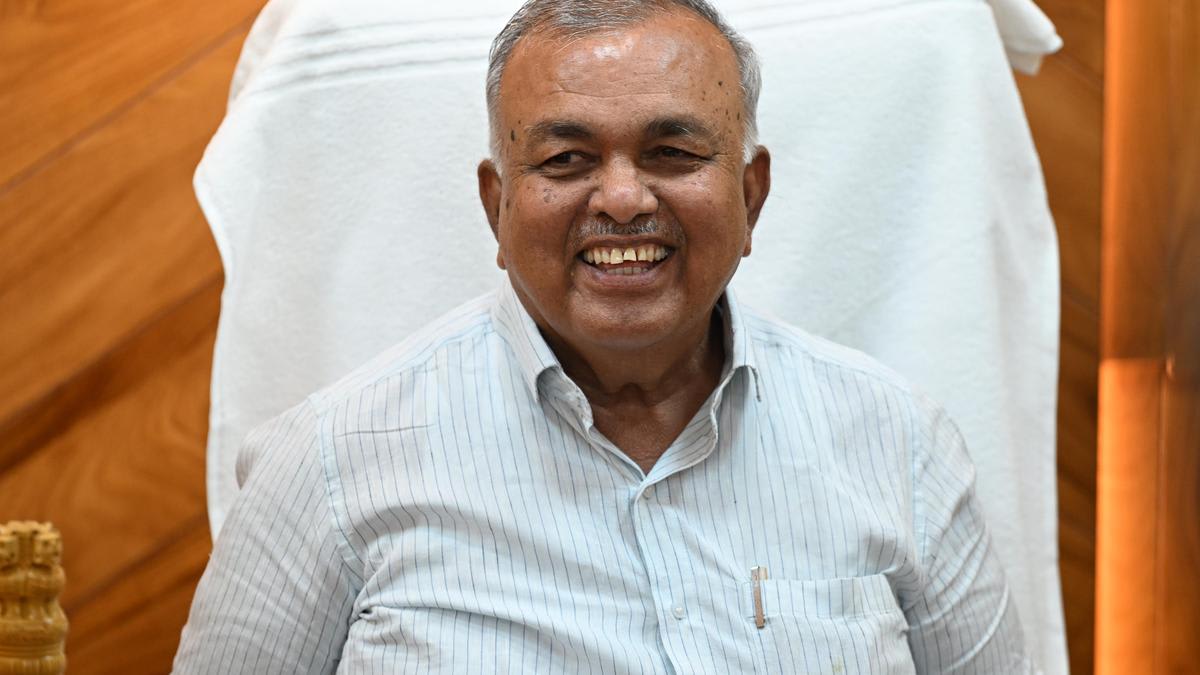
Karnataka Forest Minister Ramalinga Reddy has ordered the removal of invasive eucalyptus and acacia trees from Bengaluru's forest research centers. The initiative aims to restore ecological balance by replacing these species with native trees that support the local climate.
Ecological Restoration in Bengaluru: Minister Mandates Removal of Invasive Species
In a significant move toward environmental preservation, Karnataka’s Minister for Forest, Ecology, and Environment, Ramalinga Reddy, has issued a directive to remove eucalyptus and acacia trees from key research and forest zones in Bengaluru. During his inspection on September 28, the Minister visited the Kalkere Research Centre, the Doresanipalya Forest Research Station, and the Turahalli Minor Forest, identifying these non-native species as major obstacles to the health of the local ecosystem.
The Impact of Invasive Species on Local Biodiversity
The decision centers on the biological reality that eucalyptus and acacia are not native to the Indian subcontinent. These species are known for high water consumption and their tendency to alter soil chemistry, which often inhibits the growth of indigenous flora. By crowding out native species, these trees reduce the overall biodiversity of the region, creating a monoculture that fails to support local wildlife or contribute effectively to the urban micro-climate. Minister Reddy emphasized that these trees hinder the growth of species that are essential for the environmental integrity of Bengaluru.
Aligning with National Urban Forest Standards
Minister Reddy’s directive is not merely a localized removal project but a strategic shift toward national standards. He has instructed officials to study and implement the Urban Forest Scheme of the Union government. This policy shift indicates a broader commitment to re-establishing ecological corridors within urban centers. By transitioning from invasive plantations to a variety of local species, the government aims to foster a more resilient forest cover that is better adapted to the specific soil and moisture conditions of the Karnataka plateau.
The Role of Research Centers in Reforestation
The Kalkere Research Centre, which spans 30 acres and houses 4,722 trees across 126 different species, serves as a vital case study for this transition. With its existing infrastructure and documented tree species, this facility is well-positioned to become a model for native forest restoration. The focus on replacing invasive trees here will provide a scientific blueprint for how urban forests can be managed to maximize carbon sequestration and support biodiversity.
Long-term Environmental Implications
The long-term success of this initiative will depend on the careful selection of native species that can thrive in the face of rapid urbanization. By prioritizing local flora, the state government aims to improve the resilience of Bengaluru’s green lungs against climate change and water scarcity. This move marks a pivotal change in urban forestry management, signaling that the aesthetic or fast-growing qualities of invasive trees are no longer prioritized over the long-term health of the regional ecosystem.
Verification Required?