From Canada Student Visa To FBI's Most Wanted: How Punjab Man Became Gangster
Source Entity
NDTV News Search Records Found 1000
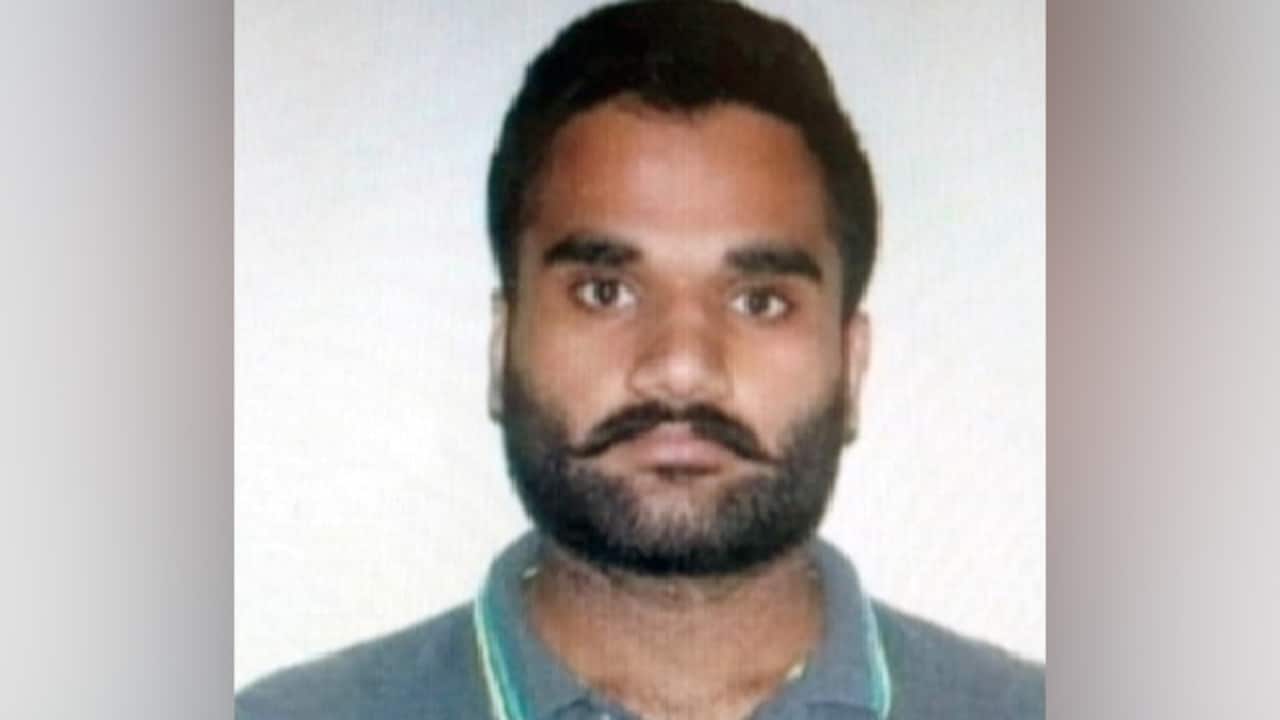
The FBI has placed gangster Goldy Brar on its 10 Most Wanted list, offering a $1 million reward for information leading to his arrest. This move highlights a major escalation in the international crackdown on transnational crime groups linked to the Lawrence Bishnoi gang.
International Manhunt: Goldy Brar Named in FBI’s Most Wanted List
The Federal Bureau of Investigation (FBI) has significantly escalated its global law enforcement efforts by placing Satinderjeet Singh, widely known as Goldy Brar, on its prestigious and highly selective '10 Most Wanted Fugitives' list. With a substantial reward of up to $1 million offered for actionable intelligence leading to his apprehension, the move underscores the gravity with which U.S. authorities now view Brar’s alleged criminal activities. As the 543rd fugitive added to this historical list, Brar’s inclusion signals a decisive shift in how American agencies are addressing transnational organized crime.
Connections to the Lawrence Bishnoi Syndicate
At the core of the FBI's interest in Brar is his alleged deep-seated involvement with the Lawrence Bishnoi gang. This criminal network has gained notoriety for its expansive reach across North America and Asia, complicating security landscapes in both regions. By targeting a key figure like Brar, the FBI is not merely chasing an individual; they are attempting to dismantle the operational hierarchy of a syndicate that has been implicated in various high-profile criminal activities. This strategic focus aims to disrupt the flow of illicit operations that transcend international borders.
The Context of Operation Hard Ball
Brar’s designation follows the momentum generated by 'Operation Hard Ball,' a coordinated, multinational initiative spearheaded by U.S. and Canadian law enforcement. This operation was specifically designed to target three major India-linked crime groups: the Bishnoi gang, the Dhanda organized crime group, and the Bhagwanpuria gang. The collaboration between these North American authorities highlights a growing recognition that these groups have matured into sophisticated entities requiring a unified, cross-border response to maintain public safety.
A Shift in Global Security Priorities
For years, criminal syndicates operating in the shadows of international migration and global trade routes have managed to evade capture by exploiting jurisdictional boundaries. However, the FBI’s decision to prioritize Brar demonstrates a modern approach to policing where foreign-based threats are treated with the same urgency as domestic ones. This development suggests that the era of 'safe havens' for transnational criminals is rapidly closing as intelligence sharing between India, the United States, and Canada reaches unprecedented levels of integration.
Future Implications and Trends
Looking ahead, the inclusion of Brar on the Most Wanted list serves as a warning to other transnational criminal actors. It suggests that the international community is moving toward a more aggressive stance, utilizing financial incentives like the $1 million reward to mobilize the public and private sectors in the pursuit of justice. We can expect to see further pressure on these networks as law enforcement agencies continue to map out the interconnected dependencies between these gangs and their regional facilitators.
Conclusion: A Turning Point for Transnational Justice
The pursuit of Goldy Brar is symbolic of a broader, more aggressive international enforcement policy. By leveraging the full weight of the FBI's investigative capabilities, authorities are attempting to sever the head of a complex criminal organization. As the manhunt intensifies, the outcome of this case will likely set a significant precedent for how future transnational organized crime cases are managed, potentially leading to more robust cooperation between global security agencies to ensure that international borders no longer serve as shields for criminal fugitives.
Multiple Citing Sources
Verification Required?