‘Bribe for entry’ scam: Advocate seeks probe into alleged ‘monthly payments’ to RTO officials
Source Entity
India Latest News: Top National Headlines Today & Breaking News | The Hindu
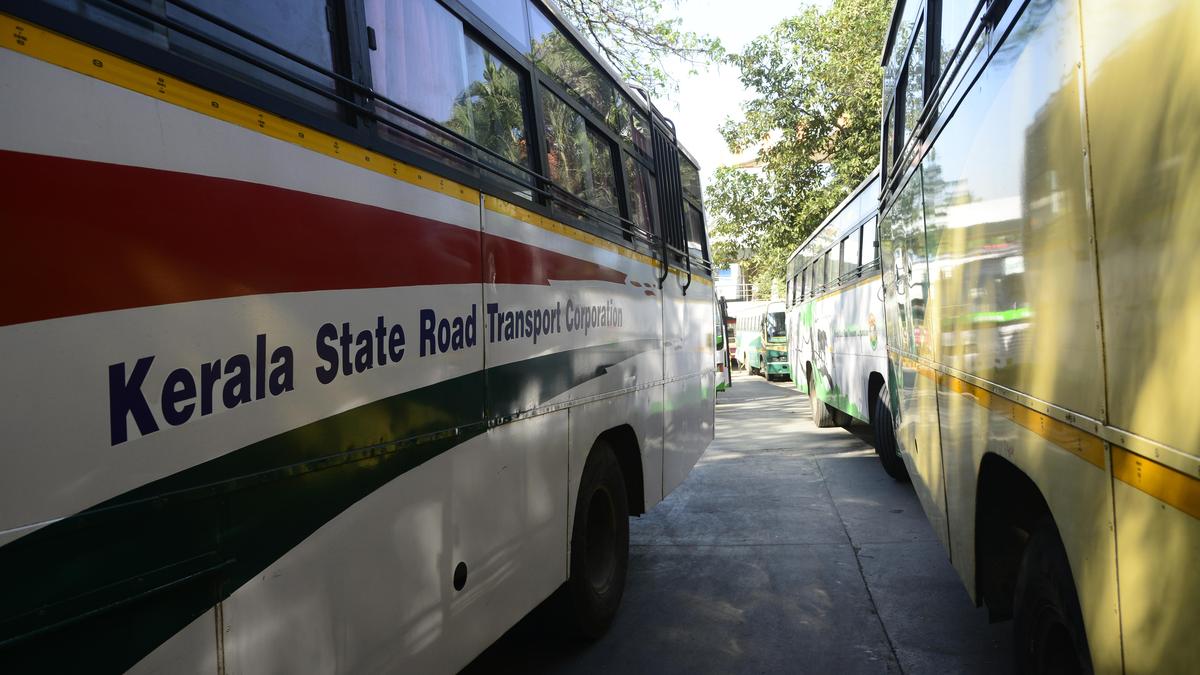
Advocate S. Nataraja Sharma has filed a formal complaint alleging a systematic bribery scheme involving RTO officials and Kerala-registered tourist bus operators. The scheme reportedly uses monthly UPI payments to facilitate illegal vehicle movement across key Karnataka transit points.
Allegations of Systematic Corruption in Karnataka RTO
Advocate S. Nataraja Sharma has initiated a significant legal challenge by lodging a formal complaint with the Karnataka Transport Commissioner. The complaint centers on a sophisticated 'bribe for entry' scheme, where Kerala-registered tourist bus operators are allegedly forced to make regular payments to ensure the seamless movement of their vehicles across Karnataka’s borders and through major transit hubs.
The Mechanics of the Alleged Scam
According to the complaint submitted on October 13, the operation functions as a systematic monthly subscription model. Operators are reportedly paying between ₹16,000 and ₹30,000 per bus to bypass standard regulatory scrutiny. These payments are allegedly funneled through UPI transactions, a detail that provides a digital trail for investigators. The identified routes, including high-traffic zones like Attibele, Electronic City, Majestic, and Devanahalli, suggest a coordinated effort to control transit logistics in and around the state capital.
The Role of Intermediaries and Officials
Central to the allegations is the involvement of specific Regional Transport Office (RTO) officials and a key intermediary referred to as “Guru.” By allegedly leveraging the authority of RTO officials, the scheme creates a 'pay-to-play' environment where compliance is secondary to financial kickbacks. The mention of a WhatsApp group as the source of these revelations highlights how modern communication platforms are increasingly being utilized to coordinate and disseminate illicit activities within public sectors.
Broader Implications for Transit Governance
This case underscores deep-seated vulnerabilities in the oversight of inter-state commercial transport. When private operators feel compelled to pay 'monthly bribes' to facilitate routine transit, it points to a breakdown in the regulatory framework meant to ensure road safety and tax compliance. Such practices not only result in significant revenue loss for the state exchequer but also jeopardize the integrity of transport enforcement agencies.
Historical Context and Future Trends
Historically, the regulation of inter-state tourist buses has been a contentious issue in India, often characterized by disputes over road taxes and permit validity. If verified, this scam represents a transition from traditional, localized corruption to a digitized, recurring revenue model for corrupt officials. Moving forward, the investigation into these UPI-linked payments will be a test case for the efficacy of digital forensic audits in uncovering public sector graft, potentially setting a precedent for how state departments monitor their own internal integrity.
Verification Required?