SIR: Over 4,000 Form-7 seek deletion of names, largely Muslim voters, across Congress, BJP seats
Source Entity
India Latest News: Top National Headlines Today & Breaking News | The Hindu
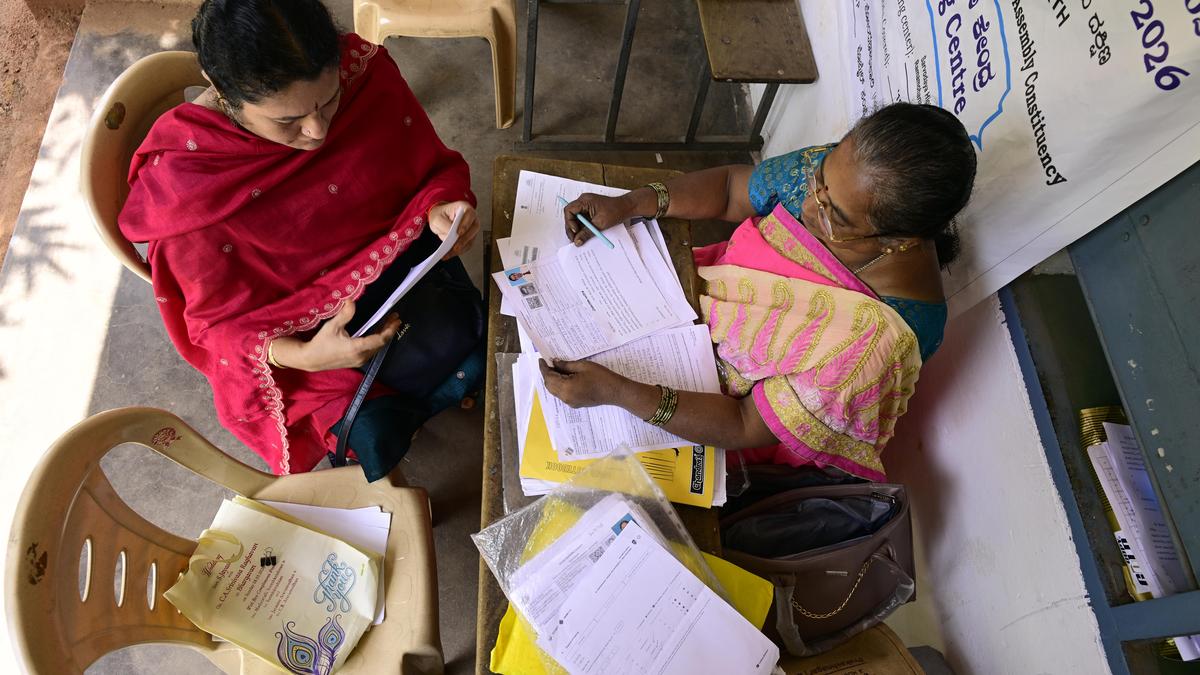
Over 4,000 bulk Form-7 applications have been filed in Karnataka to delete names from electoral rolls, predominantly targeting Muslim voters. The systematic nature of these filings, with pre-printed voter details, raises significant concerns regarding electoral integrity.
Allegations of Systematic Voter Deletion in Karnataka
Recent reports indicate a highly coordinated effort to influence electoral rolls in Karnataka through the mass filing of Form-7 applications. Data from the Form-10 statutory report—which consolidates objections—reveals that over 4,000 applications seeking the deletion of names have been submitted across various Assembly constituencies. The sheer volume of these filings, particularly those targeting Muslim voters, suggests a deliberate attempt to manipulate the composition of the electorate in both Congress and BJP-held seats.
The Pattern of Mass Objections
The methodology behind these filings is particularly concerning. In the Babaleshwar constituency, represented by Congress Minister M.B. Patil, a staggering 1,373 Form-7 applications were processed on September 22 alone. Of this total, 1,363 applications were submitted by just 10 individuals. The fact that these individuals were seeking the deletion of voters located outside their own polling stations points to a centralized, non-local orchestration of the objection process rather than genuine, community-based oversight.
Procedural Irregularities and Pre-printed Forms
Beyond the geographic discrepancies, the technical handling of these forms suggests a lack of individual diligence. Reports confirm that in numerous instances, the details of the targeted voters were already printed on the forms, with only the names of the objectors being filled in by hand. This level of automation in the objection process contradicts the standard expectation that a voter objection should be a specific, verified grievance raised by a local resident against a neighbor.
Implications for Electoral Integrity
Form-7 is intended to be a safeguard for electoral rolls, allowing citizens to object to the inclusion of ineligible or deceased persons. However, when weaponized on a massive scale, it transforms from a tool of verification into a mechanism for voter disenfranchisement. By targeting specific demographic groups—in this case, Muslim voters—the effort threatens the democratic principle of inclusive representation and risks disenfranchising legitimate citizens.
Broader Political Context
The cross-party nature of these deletions, occurring in both Congress and BJP constituencies, suggests that these tactics may not be the monopoly of a single political ideology but rather a systemic vulnerability in the election management process. As electoral authorities review these Form-10 reports, the focus will likely shift to how such a high volume of suspicious applications was permitted to enter the system without immediate red flags being raised.
Future Trends and Oversight
Moving forward, the Election Commission of India will likely face increased pressure to tighten the verification protocols for Form-7 submissions. The reliance on pre-printed forms and the concentration of filings among a small group of individuals provides a clear roadmap for where regulatory oversight must be strengthened. Ensuring that the electoral roll remains accurate while protecting voters from malicious, bulk-generated objections will be a critical challenge for the stability of Karnataka’s future electoral cycles.
Verification Required?