Karnataka SIR: Over 4,000 Form-7 seek deletion of names, largely Muslim voters, across Congress, BJP seats
Source Entity
India Latest News: Top National Headlines Today & Breaking News | The Hindu
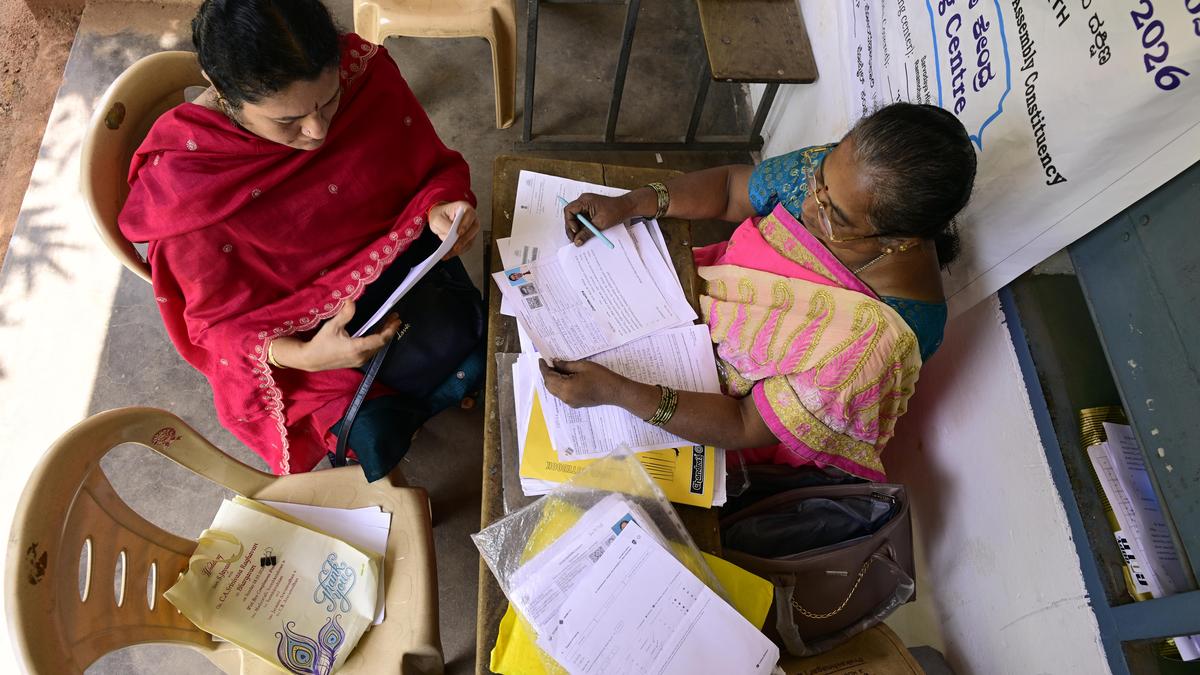
Over 4,000 bulk applications for voter deletion via Form-7 have been filed in Karnataka, specifically targeting Muslim voters. The process shows signs of organized activity, with many forms arriving pre-printed and submitted by a small group of individuals.
Systematic Voter Deletion Concerns in Karnataka
A concerning pattern has emerged in Karnataka's electoral process, where over 4,000 Form-7 applications have been filed to seek the deletion of names from voter rolls. These applications disproportionately target Muslim voters across various Assembly constituencies, cutting across both Congress and BJP-held seats. This development has triggered intense scrutiny regarding the integrity of the electoral roll management system and the potential for organized disenfranchisement.
Evidence of Organized Manipulation
The nature of these filings suggests a coordinated effort rather than individual, organic requests for name removal. Investigative findings reveal that in many instances, the details of the targeted voters were already pre-printed on the forms, with only the objectors’ names added in handwriting. This uniformity indicates that the process may be backed by entities with access to sensitive voter data, raising significant questions about data privacy and the misuse of electoral administrative tools.
The Babaleshwar Case Study
Babaleshwar, a constituency represented by Congress Minister M.B. Patil, serves as a focal point for this controversy. On September 22 alone, 1,373 Form-7 applications were submitted. Most alarmingly, 1,363 of these were filed by just 10 individuals. These objectors were seeking deletions for voters located outside their own polling stations, which defies the standard logic of local verification and suggests a deliberate attempt to manipulate electoral rolls on a macro scale.
Administrative Implications and Statutory Reports
The scale of these objections is documented in the Form-10 statutory report, which consolidates the details of all Form-7 objections. The reliance on this specific legal mechanism to initiate mass deletions highlights a potential vulnerability in the Election Commission’s verification process. When the volume of objections spikes suddenly, as seen between September 22 and 23, it puts immense pressure on local election officials to verify the authenticity of each claim before taking irreversible action.
Broader Democratic Risks
The systematic targeting of a specific community through administrative loopholes poses a severe threat to inclusive democracy. If left unchecked, such tactics could lead to the large-scale disenfranchisement of eligible voters, effectively altering the demographic composition of the electorate in key constituencies. The ability to mass-produce objections using pre-printed data suggests that the security measures surrounding voter roll access need urgent reform.
Future Outlook and Necessary Reforms
Moving forward, the Election Commission of India must conduct a thorough audit of the submitted Form-7 applications to identify the sources of the pre-printed data and the motives of the repeat objectors. Future trends suggest that without stringent digital verification and stricter penalties for frivolous or malicious mass-filing, the integrity of voter rolls will remain at risk. Protecting the sanctity of the electoral roll is paramount to ensuring that every eligible citizen retains their constitutional right to vote without fear of arbitrary administrative removal.
Multiple Citing Sources
Verification Required?