Kashmiri filmmaker Arfat Sheikh detained by ICE en route to ‘Art as Resistance’ panel
Source Entity
The Indian Express
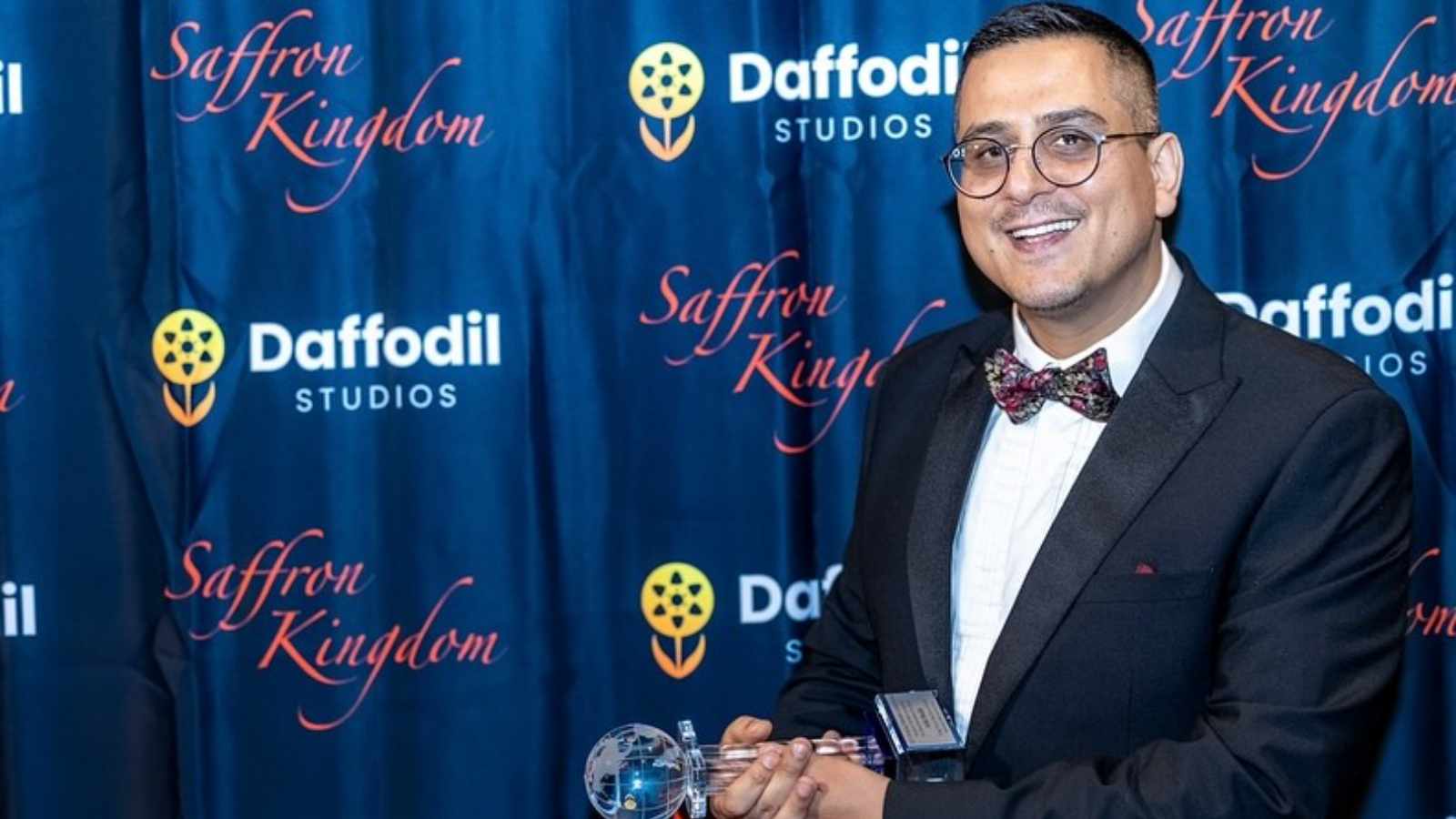
Kashmiri filmmaker Arfat Sheikh was detained by ICE at Dulles Airport while traveling to a panel discussion. Despite holding a valid student visa since 2019, he was held for 11 days at the Caroline Detention Facility, with his family now expressing optimism for his release.
The Detention of Arfat Sheikh: A Crisis at the Intersection of Art and Immigration
The Incident at Dulles
On September 24, 2026, the creative community was rattled by reports that award-winning Kashmiri filmmaker Arfat Sheikh was taken into custody by U.S. Immigration and Customs Enforcement (ICE) agents at Washington Dulles International Airport. Sheikh, 42, was in transit from California to Washington D.C. to participate in an ‘Art as Resistance’ panel hosted at Busboys and Poets. According to accounts from his supporters and advocacy groups, the detention occurred immediately upon his deplaning, reportedly without a warrant, even as Sheikh presented his immigration documentation.
Legal Standing and Background
Arfat Sheikh entered the United States in 2019 on a valid student visa, a status that typically grants legal residency for the duration of academic programs. His professional trajectory has been marked by significant international recognition, particularly for his film Saffron Kingdom. The documentary has seen multiple screenings across Europe and the United States, earning accolades for its exploration of complex themes such as identity, resilience, and justice. The contrast between his status as an established cultural figure and his sudden detention highlights the precarious nature of international artists navigating U.S. immigration protocols.
The Detention Experience
Following his apprehension, Sheikh was transported to the Caroline Detention Facility in Bowling Green, Virginia. He remained in custody for 11 days, sparking immediate concern among human rights advocates and the artistic community regarding the lack of transparency in the process. His detention, described by the 'Free Arfat Sheikh' advocacy group as unlawful, serves as a focal point for broader discussions on the treatment of international visitors and the procedural challenges within the U.S. immigration system.
Family and Advocacy Efforts
As the situation unfolded, Sheikh’s family and legal representatives engaged directly with authorities to secure his release. Cooperation with the U.S. immigration system has been a priority for his legal team, with family members expressing public optimism that he would be set free soon. The case has mobilized a network of supporters who view his detention not just as a personal ordeal, but as a potential infringement on the freedom of speech and the ability of international artists to engage in public discourse within the United States.
Broader Implications for Cultural Exchange
The detention of a filmmaker en route to an ‘Art as Resistance’ panel carries significant symbolic weight. Such events are designed to foster cross-cultural dialogue and explore politically resonant narratives. When an artist is intercepted while moving between states to participate in such a forum, it raises questions about the threshold for administrative detention in the U.S. and the potential chilling effect on international creators who fear that their political work might lead to bureaucratic scrutiny or sudden removal from the country.
Future Trends and Conclusion
As the case moves toward a resolution before immigration judges, it serves as a reminder of the volatility inherent in international mobility for creative professionals. The expectation of his imminent release offers a hopeful conclusion, yet the 11 days spent in the Caroline Detention Facility will likely remain a point of contention. Moving forward, this incident may catalyze more rigorous advocacy for the rights of foreign artists and students, ensuring that their contributions to the American cultural landscape are supported by clearer, more transparent immigration procedures.