Ken Griffin pledges $3 billion to Carnegie Mellon University in 'historic' gift
Source Entity
US Top News and Analysis
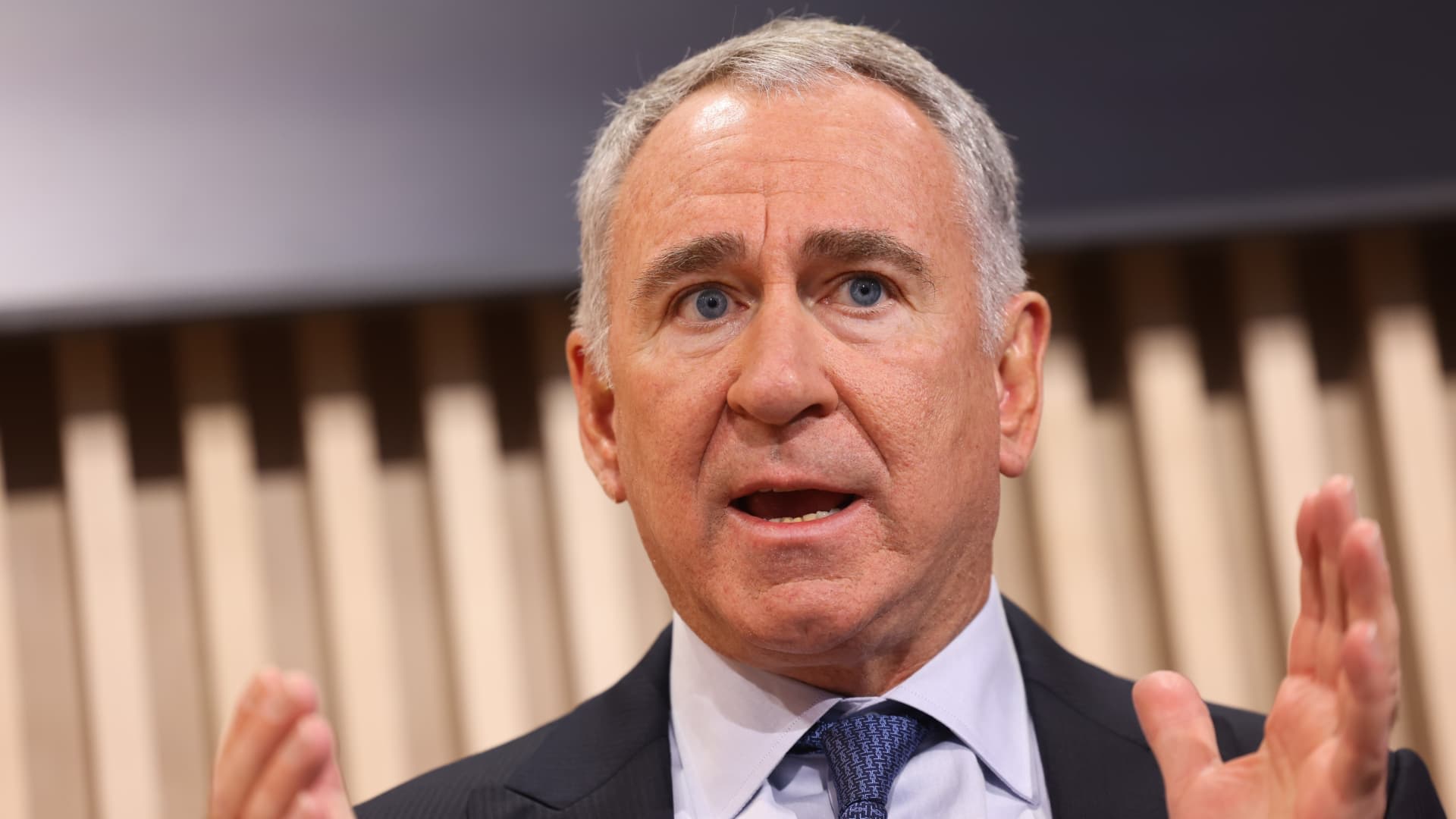
Citadel CEO Ken Griffin has pledged a record-breaking $3 billion to Carnegie Mellon University. This historic donation will fund a new Miami campus and support academic initiatives in Pittsburgh.
A Landmark Moment in Philanthropy
In a move that marks the largest individual gift in the history of higher education, Citadel CEO Ken Griffin has pledged $3 billion to Carnegie Mellon University (CMU). This historic commitment eclipses the previous record of $2 billion, established by Phil and Penny Knight in 2025. By committing to such a massive scale of funding, Griffin is setting a new benchmark for corporate and individual influence in the academic landscape, signaling a shift toward private capital playing an increasingly central role in the growth and expansion of top-tier research institutions.
Expanding Footprints: The Miami Connection
Central to this donation is the allocation of $2 billion toward the creation of a new Carnegie Mellon campus in Miami, Florida. This strategic expansion reflects the shifting geography of the American financial and tech sectors. With Citadel having relocated its headquarters to Miami, the establishment of a premier research university presence in the city serves to bridge the gap between academic excellence and the burgeoning financial hub. The new campus is projected to accommodate over 3,500 students across undergraduate and graduate programs, effectively creating a talent pipeline that integrates directly with the South Florida economy.
Strengthening the Pittsburgh Foundation
While the Miami project captures headlines, the donation also secures the future of Carnegie Mellon’s historic home in Pittsburgh. By directing a portion of the $3 billion toward the university’s existing infrastructure, the gift aims to bolster the school's core operations. Specifically, the funds are earmarked for the recruitment of prominent academic leaders and the implementation of measures to make attendance more affordable for students. This dual-pronged approach ensures that as the university expands its geographic reach, its original campus retains its competitive edge in research and education.
Strategic Governance and Institutional Influence
Beyond the financial transfer, Ken Griffin will join the Carnegie Mellon board of trustees, cementing his role in the institution’s long-term strategic direction. As the CEO of Citadel—frequently cited as the most profitable hedge fund in history—Griffin brings a unique perspective on fiscal management and global markets to the university’s governance. His involvement will likely influence the university’s academic priorities, potentially steering research toward fields that align with modern financial technology and global economic trends.
Broader Implications for Higher Education
This donation arrives at a time when universities are increasingly reliant on large-scale private endowments to fund expansion and maintain affordability. By setting a new record, Griffin’s gift challenges other high-net-worth individuals to consider the role of philanthropy in shaping the next generation of academic infrastructure. As colleges face rising costs and increasing pressure to provide tangible career outcomes, this trend of 'mega-donations' may become the standard for schools looking to remain competitive on a global scale.
Looking Toward the Future
The long-term success of this initiative will be measured by the academic output of the new Miami campus and the university's ability to maintain its prestige across two distinct geographic hubs. With the infusion of such substantial capital, Carnegie Mellon is uniquely positioned to redefine the 'commuter' and 'satellite' campus model. As the project breaks ground, it will serve as a critical case study for how private sector wealth can be utilized to rapidly accelerate institutional growth and regional economic development.