Curtain falls on US-India cultural bridge as Kennedy Center shutters
Source Entity
AADRITA HALDER
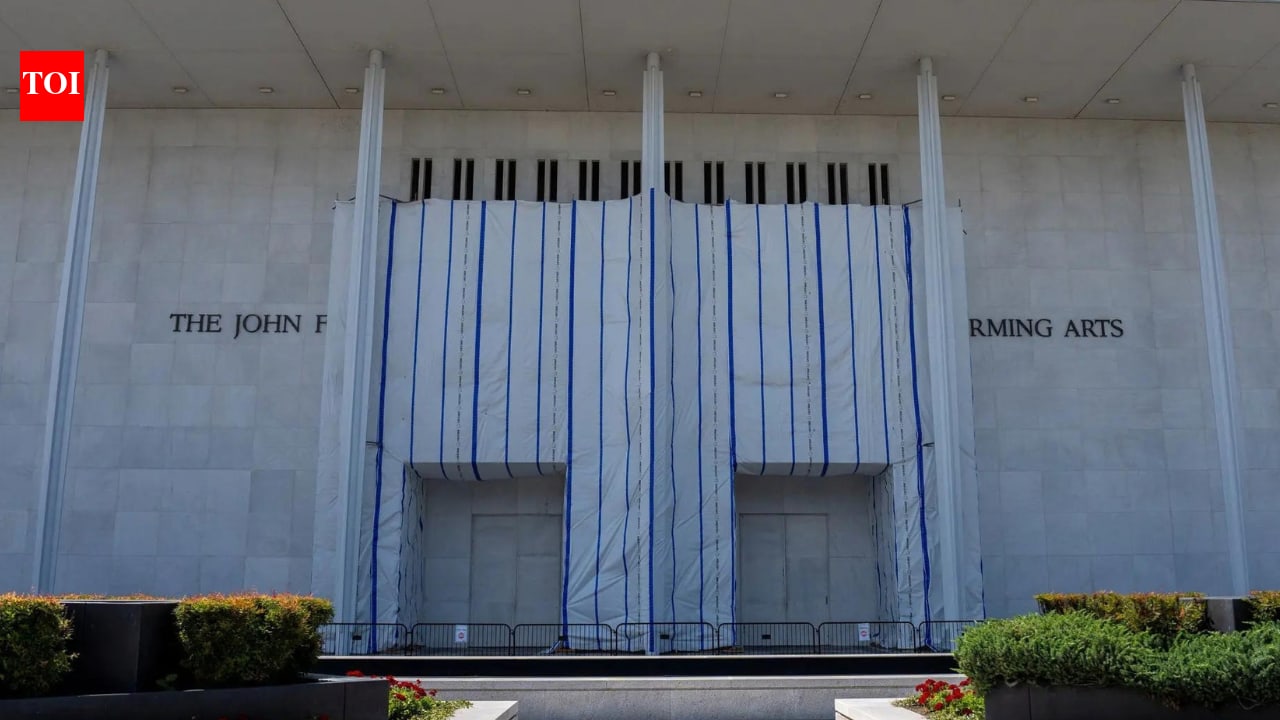
The Kennedy Center for the Performing Arts has abruptly shuttered following a legal dispute over President Trump's demand to rename the national memorial. This closure halts critical international cultural exchanges, significantly impacting artistic programs involving India.
The End of an Iconic Cultural Institution
The immediate closure of the Kennedy Center for the Performing Arts represents a seismic shift in the landscape of American cultural diplomacy. As a premier venue for global artistic expression, its sudden shuttering follows a contentious legal battle regarding President Donald Trump’s demand to append his name to the national memorial. This administrative impasse has effectively paralyzed one of Washington D.C.'s most significant cultural pillars, leaving its future in a state of profound uncertainty.
The Legal and Financial Precipice
The board’s decision to cease operations immediately was precipitated by a combination of mounting financial strain and alleged structural concerns, which the administration has utilized to justify the move. This decision arrived mere hours after a judicial ruling reaffirmed that only the United States Congress possesses the constitutional authority to alter the name of the memorial. This conflict highlights a deeper tension between executive mandates and legislative oversight regarding the preservation of national monuments.
Impact on Global Cultural Diplomacy
For decades, the Kennedy Center has served as a vital bridge for international collaboration, particularly fostering deep artistic ties with India. By serving as a stage for India’s most celebrated performers, the venue acted as a soft-power conduit that strengthened bilateral relations. The abrupt cancellation of this platform disrupts ongoing and future cultural programming, stripping away a critical venue for cross-cultural dialogue and artistic exchange between the two nations.
Structural and Political Implications
The intersection of structural maintenance issues and political branding creates a complex narrative. While the administration cites fiscal and safety concerns, the proximity of the closure to the naming dispute suggests that the venue has become a focal point for broader political polarization. The loss of the Kennedy Center is not merely the loss of a building; it is the loss of a public forum that has historically been immune to the volatility of partisan politics.
A Future in Limbo
As the dust settles, the long-term outlook for the Kennedy Center remains grim. With the venue now closed, the logistical burden of relocating scheduled performances and international delegations will be immense. Furthermore, the precedent set by this closure may discourage future international collaborations, as the stability of American cultural institutions is now perceived as vulnerable to domestic political infighting. The restoration of this bridge will require more than just financial investment; it will require a resolution to the fundamental dispute over the institutional identity of the memorial itself.