Himachal plans hill-cutting policy to check landslide risk
Source Entity
Latest News: Todays Latest News Headlines from India & World | Hindustan Times | Hindustan Times
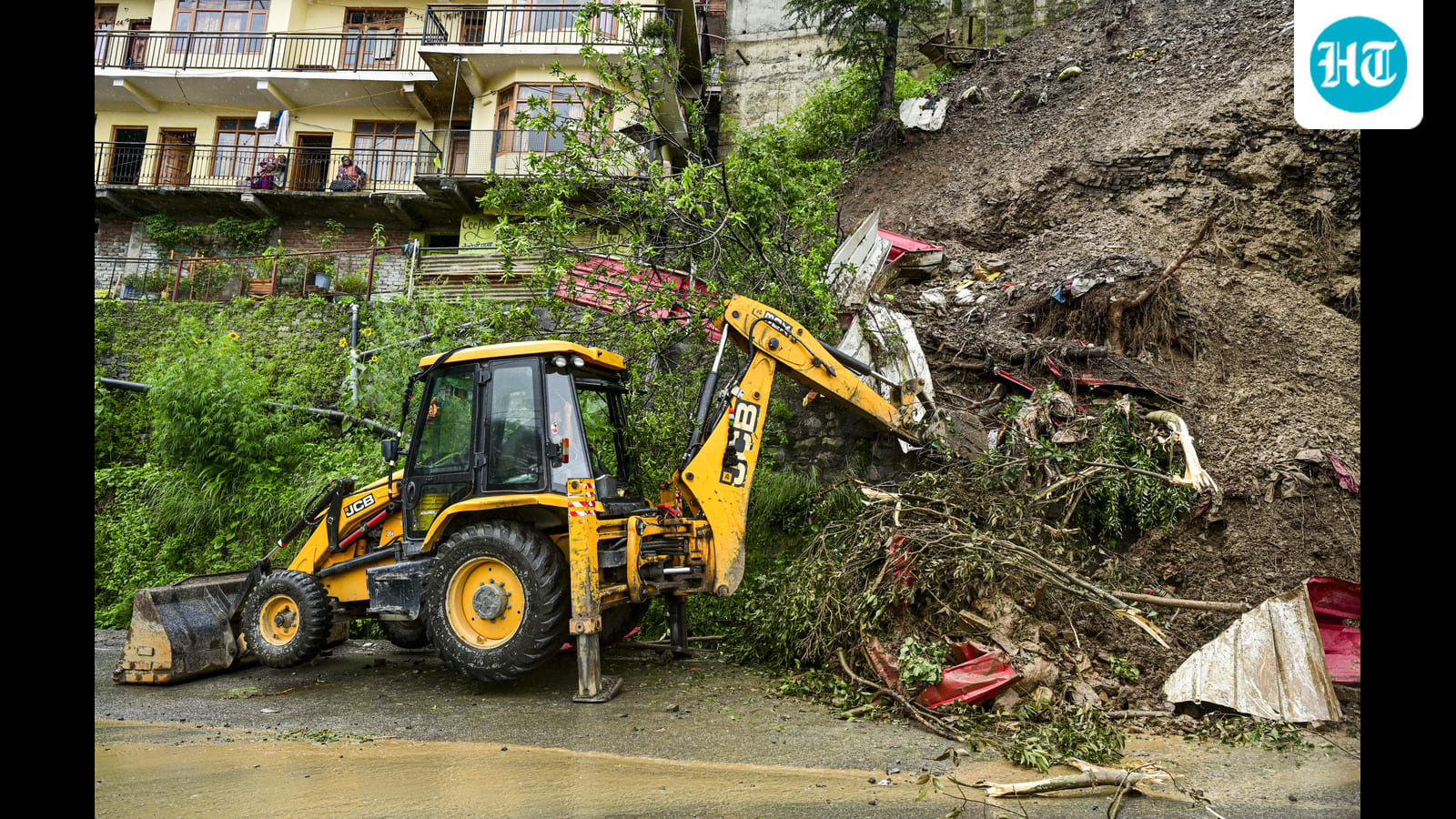
Himachal Pradesh is drafting a new Hill Cutting Policy to regulate construction and mitigate the rising threat of landslides. The initiative focuses on preserving natural drainage and stabilizing slopes to ensure safer development in the mountainous state.
Addressing the Crisis of Unregulated Development in Himachal Pradesh
The government of Himachal Pradesh has officially initiated the drafting of a comprehensive Hill Cutting Policy, a move driven by the increasing frequency of devastating landslide incidents across the state. In recent years, the intersection of rapid infrastructure expansion and the fragile Himalayan ecosystem has led to catastrophic events, such as the landslide in the Bhattakufer area of Shimla. By formalizing these regulations, the state aims to transition from reactive disaster management to a proactive model of environmental stewardship.
The Core Objectives of the New Policy
According to Pushpendra Rana, the Special Secretary for Disaster Management, the primary goal of the policy is to curb the indiscriminate cutting of hillsides that often precedes major construction projects. The policy emphasizes that all future development must align with the natural contours of the terrain rather than forcing the landscape to conform to rigid architectural blueprints. This shift in philosophy is essential for maintaining the structural integrity of the mountains.
Protecting Natural Drainage and Ecosystems
One of the most critical aspects of the proposed legislation is the protection of natural drainage systems. In the past, unchecked construction has frequently blocked traditional water channels, leading to water accumulation and soil saturation, which are primary catalysts for slope failure. The policy mandates that developers must preserve these drainage paths and implement rigorous slope stabilization techniques to prevent the destabilization of the soil mantle.
Regulatory Oversight and Legal Framework
Currently, the draft policy is undergoing a rigorous examination by the state’s law department. This legal review is a necessary step to ensure that the policy has the enforcement teeth required to hold developers accountable. By integrating these norms into the broader legal framework, the state government intends to regulate the disposal of excavated material and construction muck, which has historically been dumped haphazardly, further exacerbating landslide risks.
Future Trends in Mountainous Urbanization
As Himachal Pradesh continues to develop, the implementation of this policy will likely serve as a blueprint for other Himalayan states facing similar environmental challenges. The transition toward 'geosensitive' construction is no longer an optional luxury but a necessity for long-term sustainability. If successful, the policy will not only reduce the frequency of landslides but also preserve the aesthetic and ecological value of the Himalayan landscape for future generations.
Conclusion
Ultimately, the Himachal Pradesh Hill Cutting Policy represents a vital step toward reconciling the state's economic development with its geological realities. While the policy is currently in the drafting phase, its emphasis on natural profiles and drainage protection marks a significant departure from previous, more permissive development practices. Effective enforcement will be the final hurdle in ensuring that the state remains resilient against the unpredictable forces of nature.
Verification Required?