With $0 disbursed, how Nepal disaster reveals problems in the UN’s Loss and Damage Fund
Source Entity
Dipanita Nath
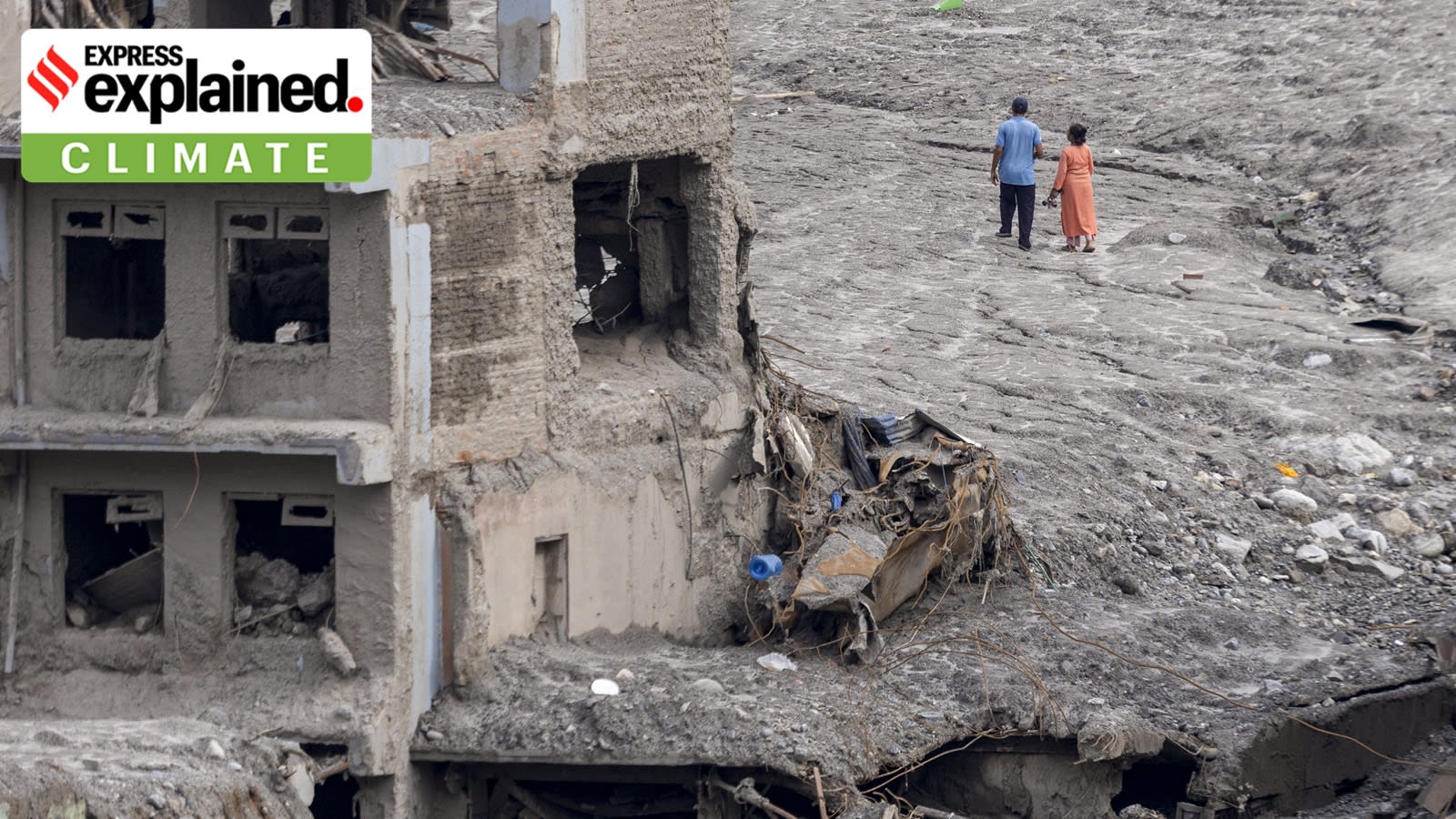
Nepal has formally requested $20 million from the UN's Loss and Damage Fund as climate compensation for natural disasters it did not create. This high-profile request highlights ongoing operational challenges and the lack of disbursements within the three-year-old fund.
The Climate Compensation Dilemma: Nepal’s Landmark Request
Nepal has officially petitioned the United Nations’ Loss and Damage Fund (FRLD) for $20 million, marking a pivotal moment in the evolution of international climate finance. Unlike traditional humanitarian aid or development grants, Nepal has framed this request as a form of climate compensation. By asserting that the nation is suffering from extreme natural calamities it did not contribute to creating, Nepal is testing the fundamental purpose of the fund: shifting the narrative from charity to accountability.
Origins and Objectives of the FRLD
The Fund for Responding to Loss and Damage was established during the COP27 summit in Sharm el-Sheikh in 2022. It was designed to bridge a critical gap in climate policy by providing financial assistance specifically to the most vulnerable nations facing the irreversible impacts of a warming planet. However, three years since its inception, the fund remains largely symbolic, with zero disbursements made to date, highlighting a significant disconnect between diplomatic promises and on-the-ground reality.
The Challenge of Attribution and Funding
Nepal’s case is particularly significant because it represents the most high-profile attempt to access these resources since the fund's creation. The Himalayan region is disproportionately affected by climate change, yet these nations often lack the domestic infrastructure to manage the resulting disasters. The request for $20 million highlights the tension between the urgent needs of developing nations and the bureaucratic hurdles inherent in global climate governance.
Structural Obstacles in Global Climate Finance
For many developing countries, the current mechanisms of climate funding are often bogged down by complex application processes and stringent requirements that favor long-term resilience projects over immediate disaster recovery. Nepal's situation underscores a broader trend: as extreme weather events become more frequent, the demand for immediate compensation is outpacing the operational capacity of international financial institutions. The FRLD currently stands at a crossroads where it must prove its efficacy or risk becoming another ineffective diplomatic institution.
Future Trends and Global Implications
The outcome of Nepal’s request will likely set a precedent for how the international community handles climate-related loss and damage in the future. If the fund fails to provide timely support, it may force vulnerable nations to reconsider their reliance on UN mechanisms in favor of bilateral agreements or domestic litigation. Conversely, a successful disbursement would validate the FRLD's role as a vital safety net for nations on the front lines of the climate crisis.
Conclusion
Ultimately, Nepal’s request is a litmus test for the global climate justice movement. While the political will to create the fund existed at COP27, the operational reality remains stagnant. As the world watches, the ability of the FRLD to move from a state of zero disbursement to active aid will determine whether it can fulfill its promise to the world's most vulnerable populations.